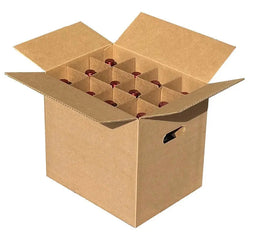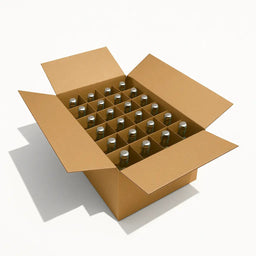


Nothing is more frustrating than opening your package only to find broken wine bottles. It is messy, costly, and damaging to your brand. Breakage is usually the result of preventable packaging and handling issues.
So what are the real reasons why your wine bottles might be breaking, and what can you do about it?
It can be as a result of;
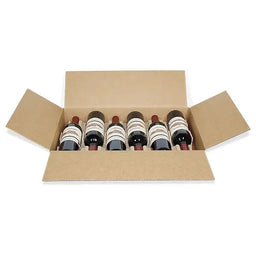
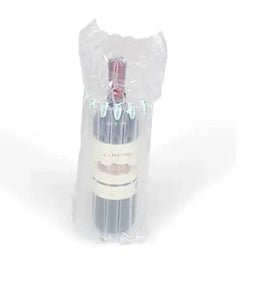
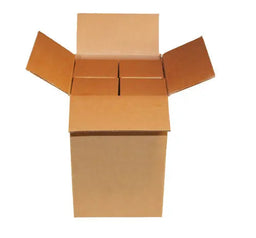
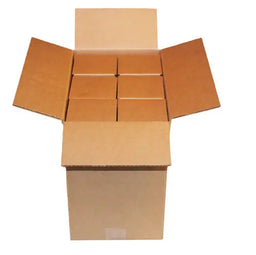
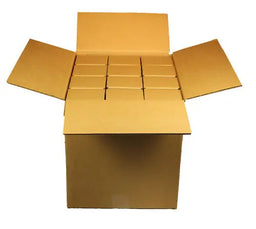
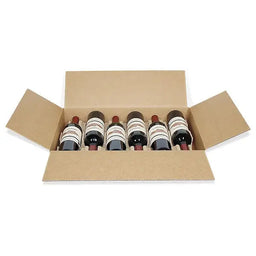
Wine bottles are fragile by nature, but poor packaging makes things worse. Using generic boxes or insufficient cushioning leaves bottles exposed to impact.
Without proper protection, even minor drops or bumps can lead to cracks or complete breakage.
Empty space inside a package is one of the biggest causes of damage. When bottles can move freely, they collide with each other or the box walls during transit.
This leads to:
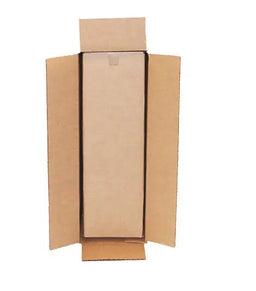
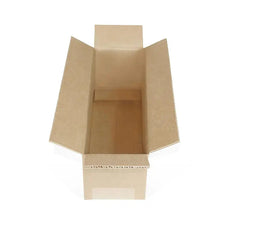
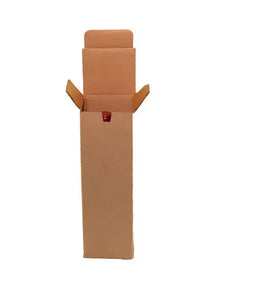
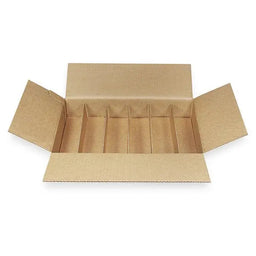
Even if the inside is well-packed, a weak outer box can compromise the entire shipment.
Problems often come from:
Let’s be real, shipping environments are not gentle. Packages are dropped, stacked, and moved quickly through multiple checkpoints.
Without packaging designed to handle:
…your bottles are at serious risk.
Not all packaging materials are created equal. Some may hold bottles in place but fail to absorb impact effectively.
When shock is not properly absorbed:
Long-distance shipping exposes wine to changing temperatures and pressure conditions. While this doesn’t always cause breakage directly, it can weaken packaging or increase stress on bottles.
For example:
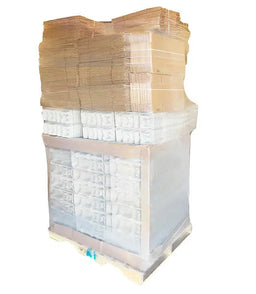
How your boxes are stacked matters just as much as what’s inside them.
Improper palletization can lead to:
Even strong packaging can fail if the load isn’t stable.
The good news? Most of these issues are completely avoidable with the right approach.
To reduce breakage:
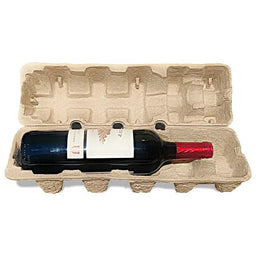
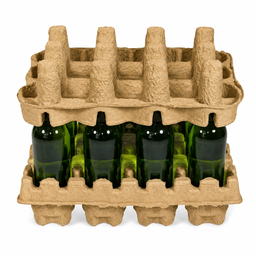
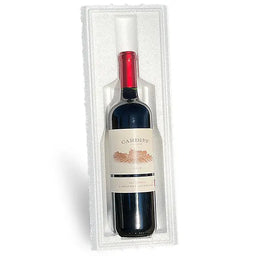
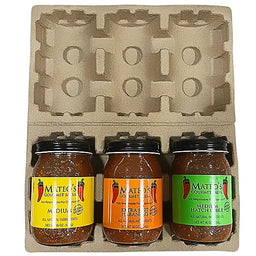
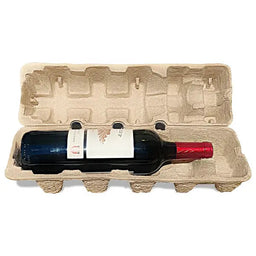
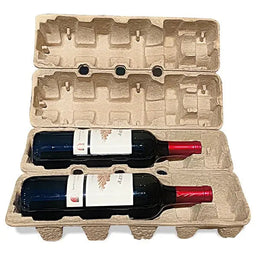
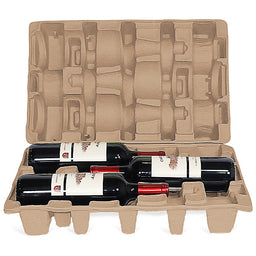
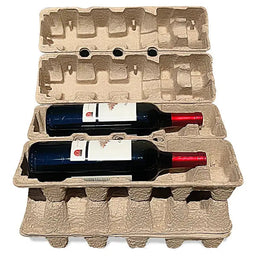
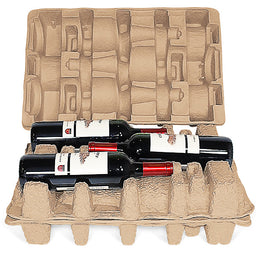
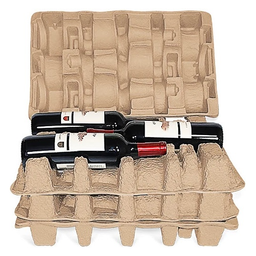
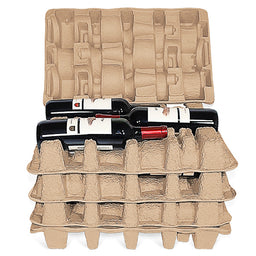
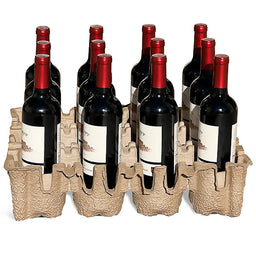
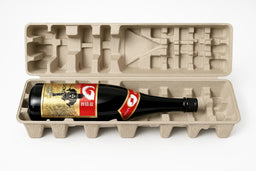
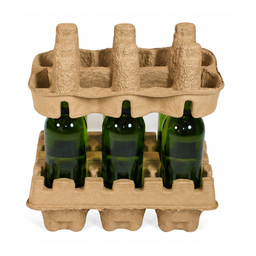
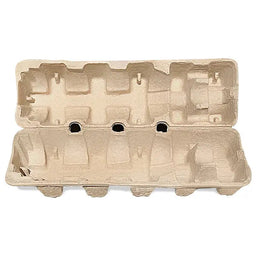
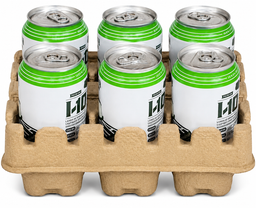
Modern solutions like molded pulp inserts are designed specifically for wine shipping. They combine structure, cushioning, and sustainability, making them a reliable choice for protecting bottles in transit.
Broken wine bottles are not just a shipping problem they are a business problem. They lead to product loss, unhappy customers, and increased costs.
By identifying the root causes and upgrading your packaging strategy, you can dramatically reduce breakage and improve your overall shipping performance. Because when it comes to wine, it’s not just about delivering a product it is about delivering it intact.