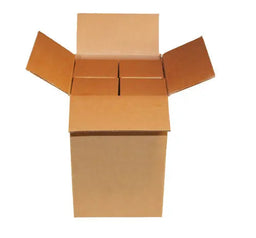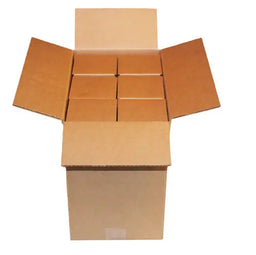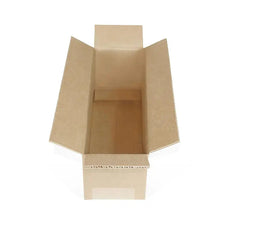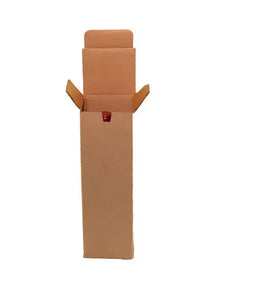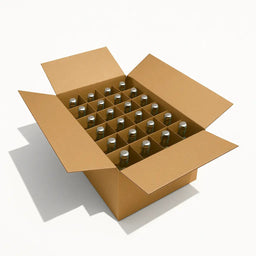


Shipping wine is not as simple as putting bottles in a box and sending them off. There are a lot of processes involved that leave little room for error. Yet many businesses still make avoidable mistakes that lead to breakage, returns, and unhappy customers.
In this article we will be looking at the most common wine shipping mistakes and how you can fix them.
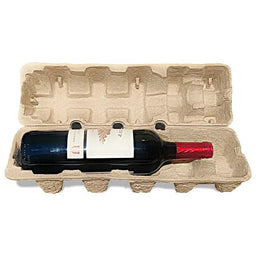
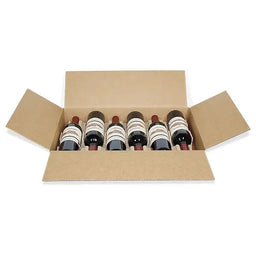
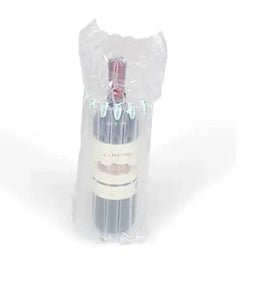
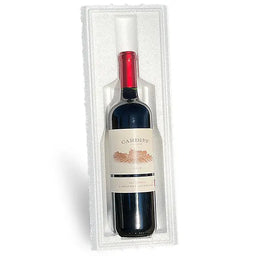
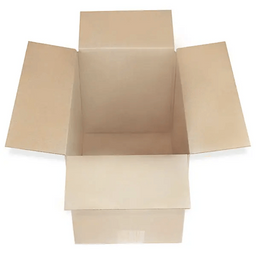
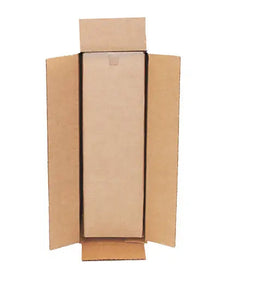
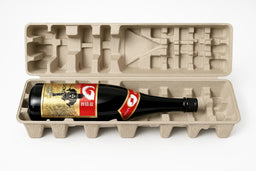
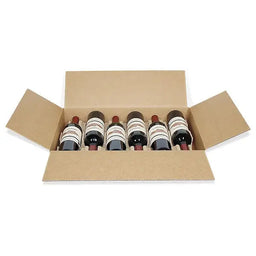
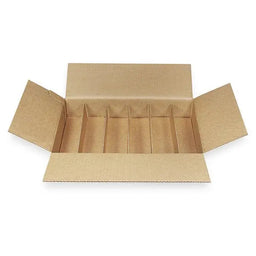
One of the biggest mistakes is relying on generic packaging instead of packaging designed specifically for wine bottles. This increases the risk of bottles knocking into each other or the box walls during transit.
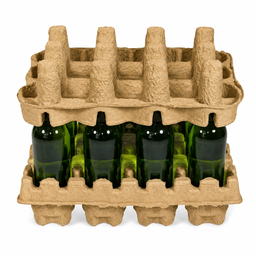
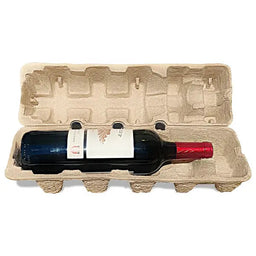
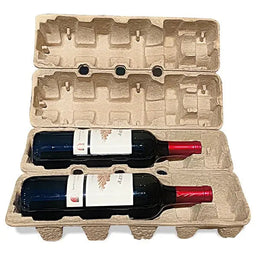
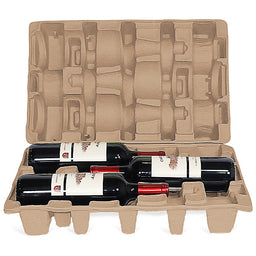
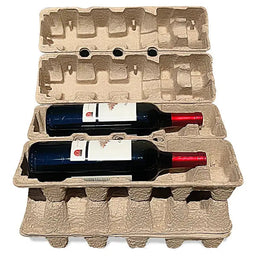
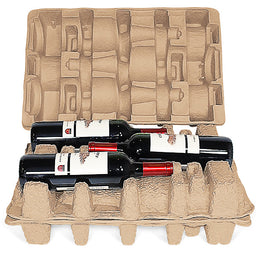
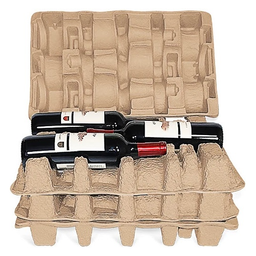
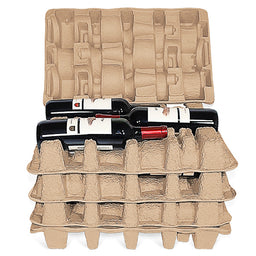
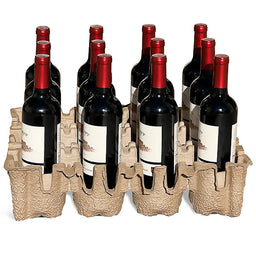
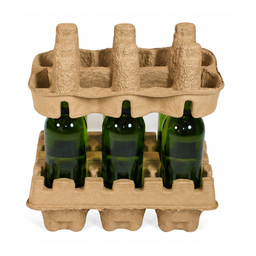
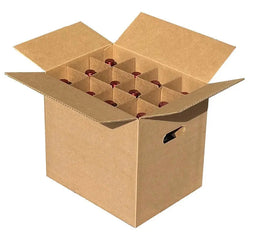
Fix: Use wine shipping boxes with molded inserts that hold each bottle firmly in place.

Space is also a problem. When bottles can move freely, even slightly, they are more likely to collide and break.
Fix: Choose packaging with a snug, custom fit that eliminates movement.
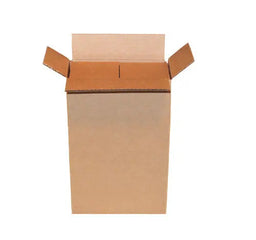
Wine is heavy. A case of bottles can put significant stress on packaging, especially during stacking and transport.
Weak or low-quality boxes can:
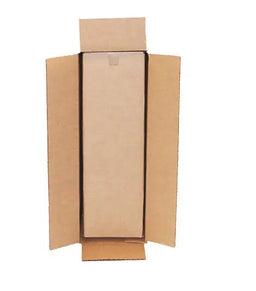
Fix: Use high-quality corrugated boxes rated for the weight and stacking requirements of wine shipments.
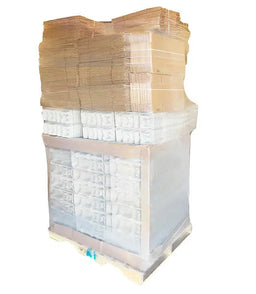
Even with good packaging, improper pallet stacking can cause damage. This can lead to shifting loads and crushed boxes.
Fix: Stack boxes evenly, use proper pallet patterns, and secure loads with stretch wrap or straps.
Wine is sensitive to temperature changes. Excess heat or cold can affect the quality, even if the bottle doesn’t break.
Mistakes include
Fix: Plan shipments based on climate and consider insulated packaging when necessary.
Both extremes can cause problems.
Too little cushioning:
Too much loose fill:
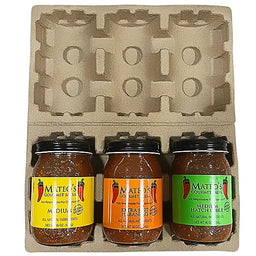
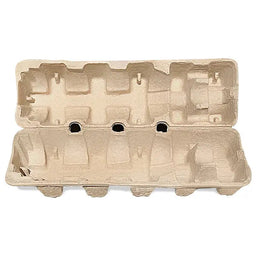
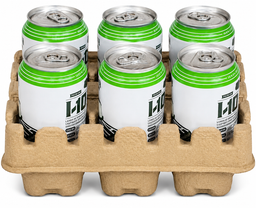
Fix: Use structured packaging like molded pulp inserts that combine cushioning with stability.
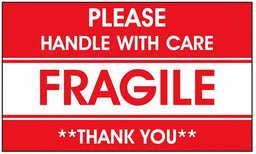
Incorrect or unclear labeling can lead to rough handling or delays.
Common issues:
Fix: Use clear, high-quality labels and ensure they are properly positioned and easy to read.
Some businesses roll out new packaging without testing it under real shipping conditions.
This can result in:
Fix: Conduct drop tests and transit simulations before committing to large-scale use.
Choosing the cheapest packaging option often leads to higher costs in the long run. Breakage, returns, and replacements can quickly outweigh initial profits.
Fix: Invest in packaging that balances cost with performance and reliability.
Wine shipping mistakes are common, but they are also avoidable. By using the right packaging and paying attention to handling and environmental factors, businesses can significantly reduce damage and improve customer satisfaction.