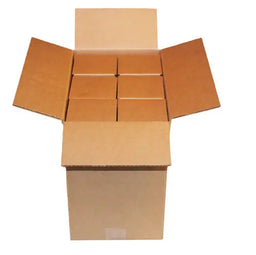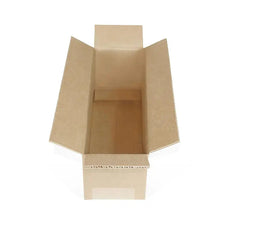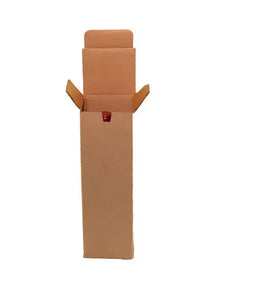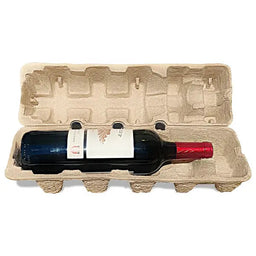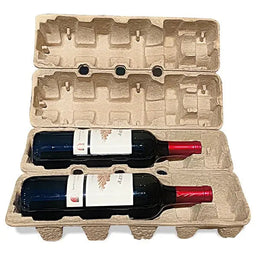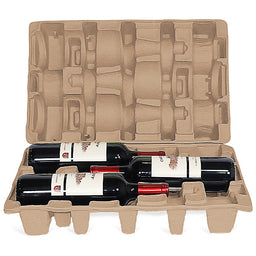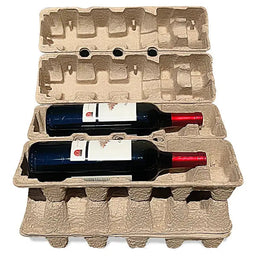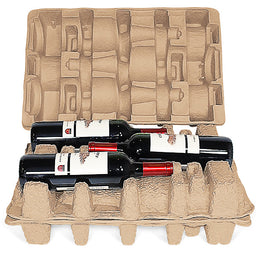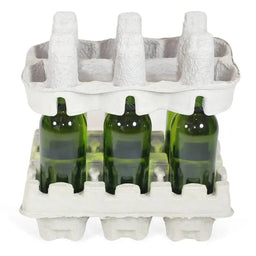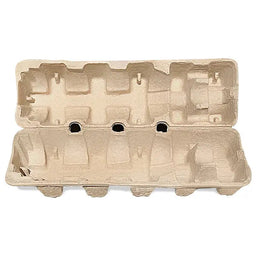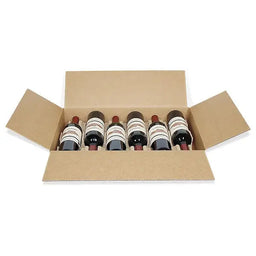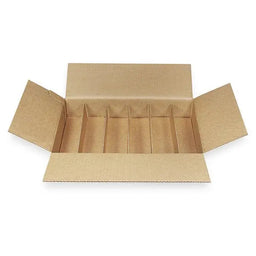


Wine shipping is a delicate business. Glass bottles, long transit times, and varying temperatures all create risks that wineries can’t afford to ignore. For years, foam packaging has been the go-to solution. But recently, more wineries are making the switch to molded pulp.
So why are some still sticking with foam and what’s driving others toward pulp? Let’s break it down.
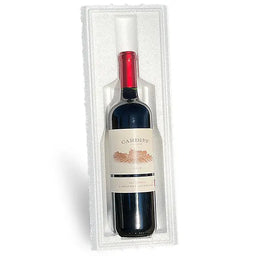
Foam packaging, especially expanded polystyrene (EPS), has been a long-standing favorite in the wine industry and for good reason.
Foam offers excellent shock absorption. It cushions bottles effectively against drops and impacts, which is critical during long-distance shipping.
Many wineries trust foam because
For businesses that prioritize familiarity and reliability, foam still feels like the “safe choice.”
Foam is extremely lightweight, which helps reduce shipping costs. It also provides some level of thermal insulation, helping protect wine from temperature fluctuations.
This makes it appealing for:
Switching packaging systems isn’t always simple. Many wineries already have established suppliers, storage systems, and packing processes built around foam.
Sticking with foam avoids
For some businesses, convenience outweighs the benefits of switching.
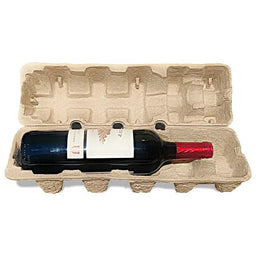
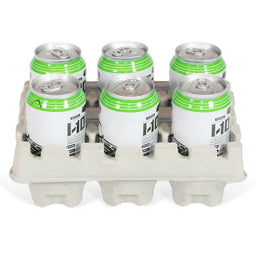
Despite foam’s advantages, molded pulp packaging is quickly gaining ground and for good reasons.
One of the biggest drivers behind the shift is environmental responsibility. Foam is not biodegradable and is difficult to recycle in many regions.
Molded pulp, on the other hand:
As consumers become more eco-conscious, wineries are under pressure to adopt greener practices, and packaging is an easy place to start.
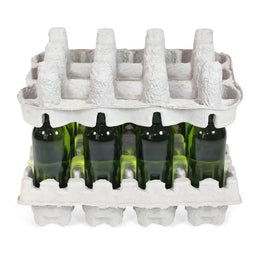
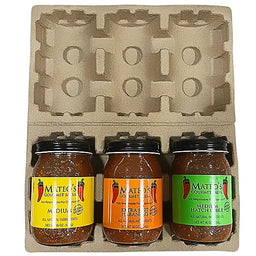
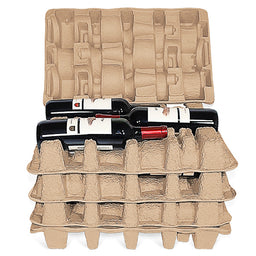
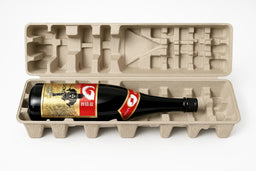
Modern molded pulp designs have come a long way. They now offer excellent protection through:
In many cases, pulp performs just as well as foam, especially when designed specifically for wine bottles.
Let’s be honest, foam doesn’t exactly scream “premium.”
Molded pulp packaging delivers a cleaner, more refined presentation. It:
Customers don’t always know what to do with foam inserts. They’re bulky, hard to recycle, and often end up in landfills.
Molded pulp solves this problem:
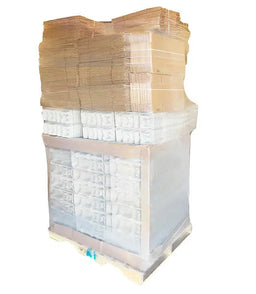
Molded pulp inserts are often designed to nest or stack efficiently, saving space during storage and shipping.
The choice between foam and molded pulp ultimately depends on a winery’s priorities.
The wine industry is evolving, and so is its approach to packaging. While foam continues to serve its purpose, molded pulp is quickly becoming the modern standard.
For wineries looking to balance protection, sustainability, and customer experience, switching to molded pulp isn’t just a trend; it is a strategic move.