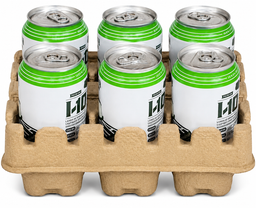


Craft breweries have transformed the processes involved in beer production, marketing, and distribution. Over the years, packaging has needed to adapt.
In 2026, beer can shippers are no longer optional for craft breweries. They are a core part of safe distribution, brand protection, and customer satisfaction.
Craft breweries are reaching customers beyond taprooms.
Key drivers include:
With more beer traveling longer distances, packaging failure is not an option. Damaged cans mean lost revenue and damaged brand trust.
Beer cans may look durable, but they are surprisingly vulnerable during transit.
Common risks include:
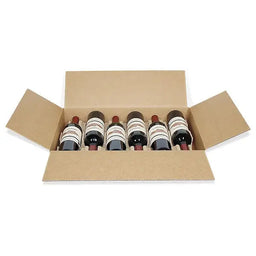
Standard boxes and dividers are not enough. Beer can shippers are designed specifically to address these challenges.
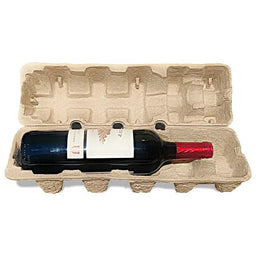
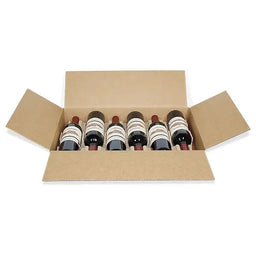
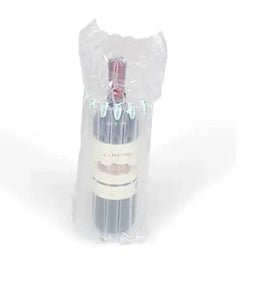
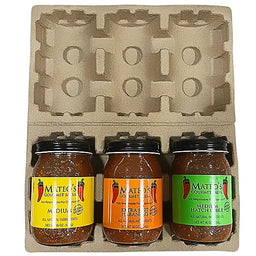
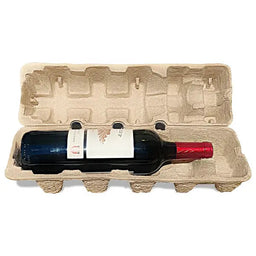
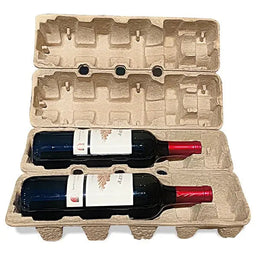
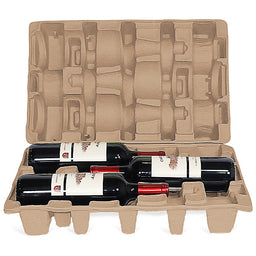
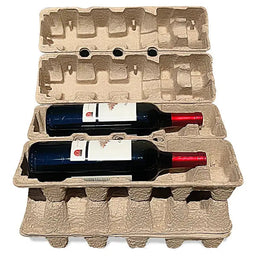
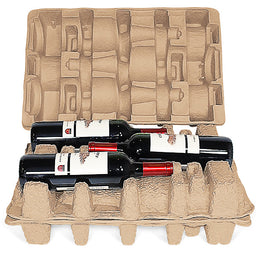
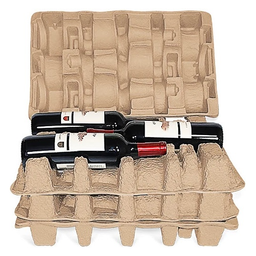
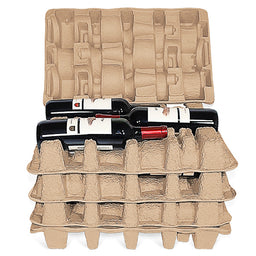
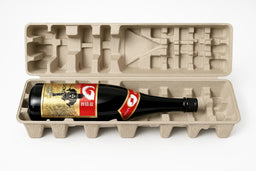
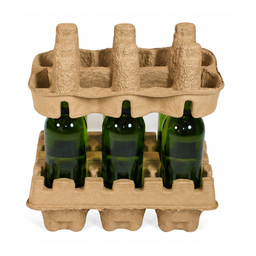
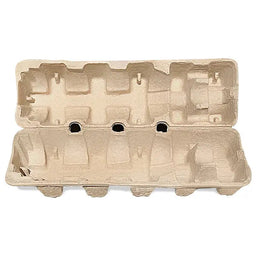
Beer can shippers are protective packaging systems built to hold cans securely inside a shipping box. Most use molded pulp or engineered corrugated inserts to cradle each can individually.
Key features include:
This keeps cans locked in place from warehouse to doorstep.
Molded pulp inserts are becoming the preferred choice for craft breweries.
Here is why.
Superior protection
Molded pulp absorbs shock and vibration instead of transferring it to the cans. This reduces denting and seam stress during transit.
Consistent performance
Unlike loose dividers, molded pulp does not shift during shipping. Each can stays exactly where it belongs.
Humidity and temperature tolerance
Beer shipments often face condensation and temperature changes. Molded pulp handles moisture better than standard cardboard dividers.
Craft beer customers care about sustainability. Packaging choices reflect brand values.
Beer can shippers made from molded pulp offer:
This aligns well with breweries that prioritize eco-conscious operations.
Packaging is part of the product experience.
A well-designed beer can shipper:
Customers notice when cans arrive undamaged and well-presented. This directly affects reviews, repeat purchases, and word-of-mouth marketing.
Shipping alcohol comes with rules. Many carriers require packaging that prevents movement, breakage, and leakage.
Beer can shippers help breweries meet these requirements by:
This makes logistics smoother and more predictable.
As breweries grow, packaging must scale with them.
Beer can shippers are available in:
This flexibility supports growth without constant packaging redesign.
The rise of beer can shippers reflects a larger trend. Craft breweries are becoming national and global brands. Packaging must support that ambition.
Reliable, sustainable shipping solutions are no longer a luxury. They are infrastructure.
Beer can shippers have become important for craft breweries shipping in 2026. They protect product quality, reduce damage, support sustainability goals, and improve customer experience.