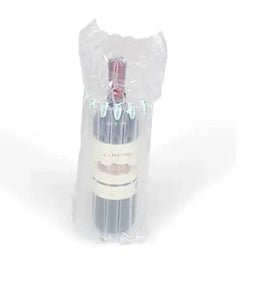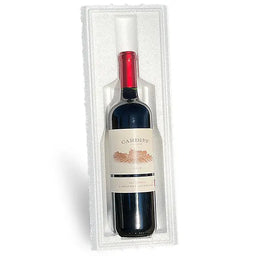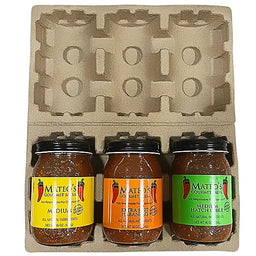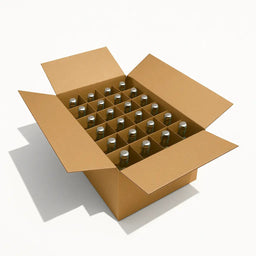


Wine storage is not something you want to get wrong. Temperature, light, air exposure, and positioning all affect how wine ages and tastes. Question: Can I store wine in an airtight bag?
The short answer is yes. Let us walk through what works, what does not, and when airtight bags make sense for wine storage or transport.
Controlled oxygen exposure helps wine age properly. Too much oxygen, however, leads to oxidation. Oxidized wine loses aroma, flavor, and structure.
That is why wine bottles are sealed with corks or caps. They allow minimal oxygen exchange while keeping the wine stable over time.
An airtight bag removes oxygen almost entirely. This changes how wine behaves.
Airtight bags can be useful in specific situations, mainly short-term and non-traditional storage.
Short-term transport
If you are moving wine for a short period, airtight bags can help by:
This is common in travel or shipping scenarios, especially when combined with proper cushioning.
Opened wine preservation
Some airtight wine storage bags are designed for opened wine. These bags collapse as wine is poured out, limiting oxygen exposure. They can keep opened wine drinkable for several days.
This works best for casual consumption, not long-term aging.
Storing wine long-term in an airtight bag comes with clear downsides.
No structure or protection
Airtight bags offer no physical support. Wine still needs protection from:
Without rigid packaging, the wine is at risk.
Material concerns
Not all airtight bags are food-grade or designed for alcohol storage. Some materials can:
This can compromise wine quality.
No aging benefit
Fine wines are meant to age in bottles under controlled conditions. Airtight bags stop oxygen exchange completely, which disrupts the aging process and flattens complexity.
If your goal is safe storage or transport, airtight bags should not be used alone.
A better approach includes
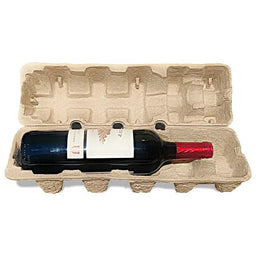
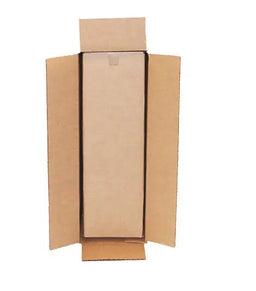
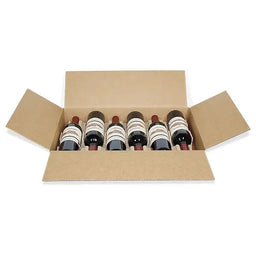
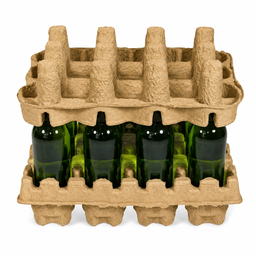
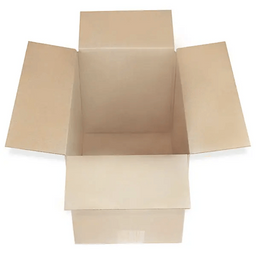
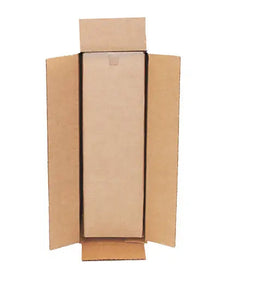
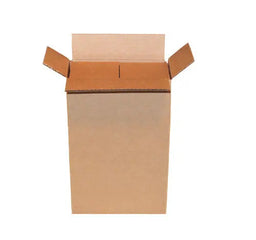
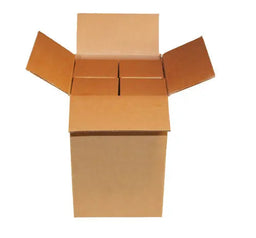
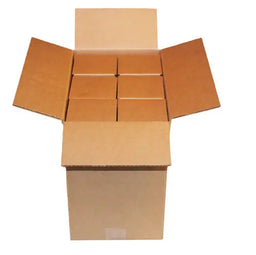
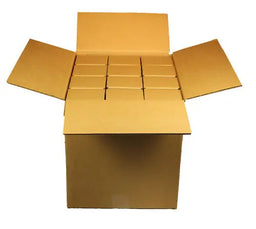
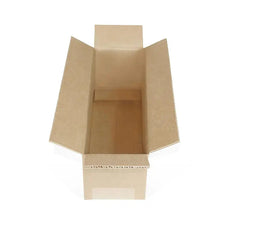
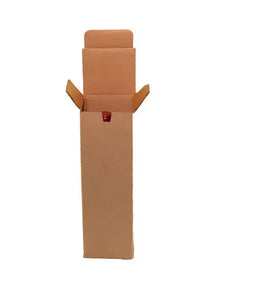
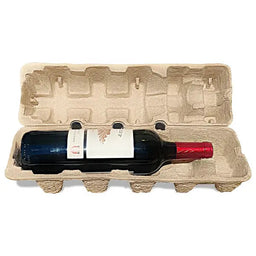
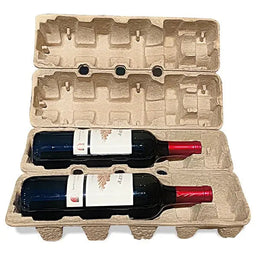
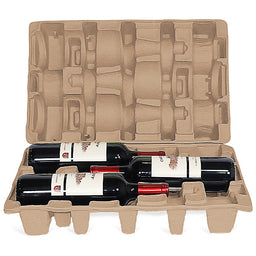
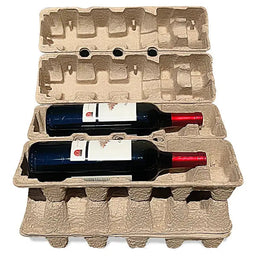
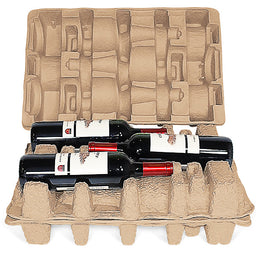
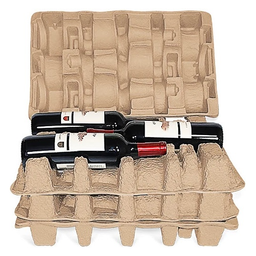
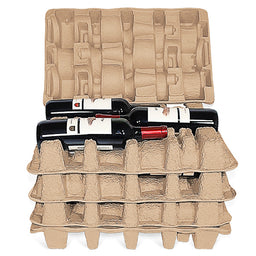
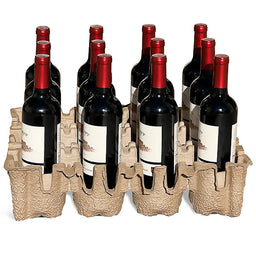
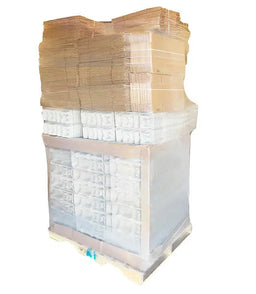
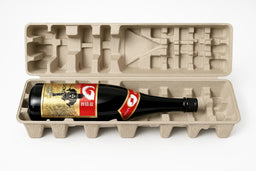
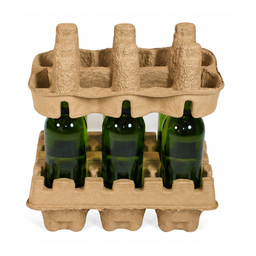
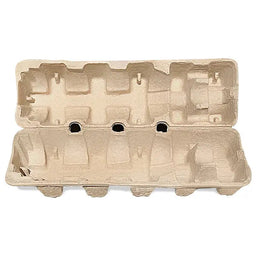
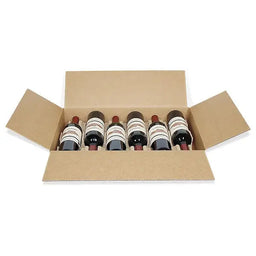
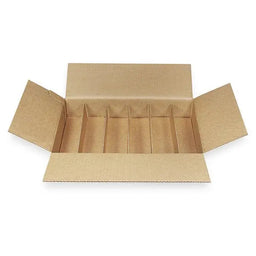
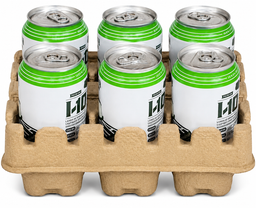
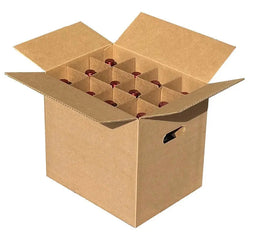
For shipping, molded pulp wine inserts and sturdy outer cartons provide far better protection than bags alone.
That said, airtight bags can still play a supporting role.
They work best when used as
In this case, the wine remains in its bottle, supported by protective packaging, while the bag adds an extra layer of safety.
Wine producers, distributors, and logistics companies rarely rely on airtight bags alone. Instead, they focus on:
This reduces breakage, leakage, and spoilage during handling and transit.
Can you store wine in an airtight bag? Yes, but only for short-term use and very specific purposes. If you are shipping or storing wine and want reliable protection, structured packaging matters far more than airtight sealing alone.
For secure transport and proven protection, WineShippingBoxes offers molded pulp wine shippers designed to protect bottles from vibration, impact, and transit damage.