

For individuals who collect wine, storage is as important as the wine itself. Whether you are constructing a personal cellar or overseeing an expanding collection for resale, good storage solutions contribute to the preservation of flavor, value, and presentation.
Wine is sensitive to its environment. Temperature fluctuations, light exposure, vibration, and humidity can all affect how wine ages.
Poor storage can lead to:
Here is how contemporary wine storage solutions are assisting collectors in safeguarding their bottles:
Consistent temperature is the foundation of proper wine storage.
Most collectors aim for:
Modern cellars now use smart climate systems that automatically adjust conditions and alert owners to changes. These systems reduce human error and ensure long-term consistency.
For smaller collections, compact wine refrigerators with digital controls provide similar protection without the need for a full cellar build-out.
Traditional fixed racks are being replaced by modular storage systems.
Smart rack solutions offer these features:
Materials matter too. High-quality wood, metal, and composite racks are designed to reduce vibration and support bottles evenly, keeping corks properly sealed.
Vibration is often overlooked but can disrupt sediment in aging wine.
Modern storage solutions focus on:
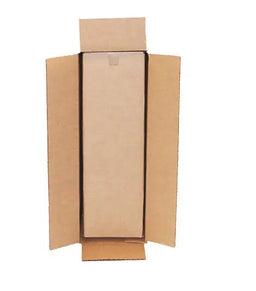
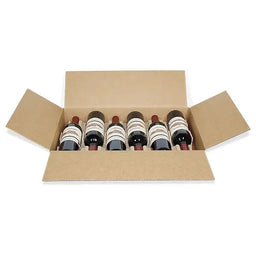
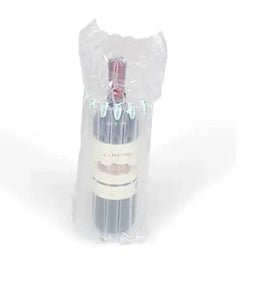
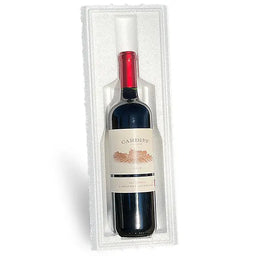
For collectors who ship wine frequently, protective storage doesn’t stop at the cellar. Bottles should transition seamlessly from storage to shipping with minimal handling.
As collections grow, keeping track of bottles becomes a challenge.
Smart inventory tools allow collectors to:
Some systems integrate QR codes or barcode labels that link physical bottles to digital records. This saves time and prevents unnecessary handling that could disturb stored wine.
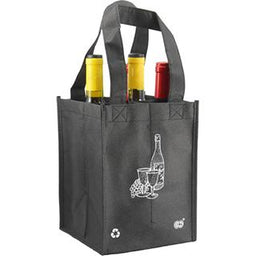
Collectors who buy, sell, or ship wine need storage solutions that support safe transport.
Key considerations include:
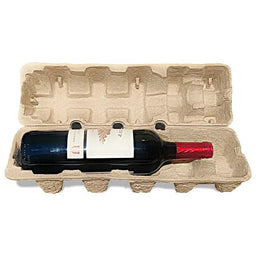
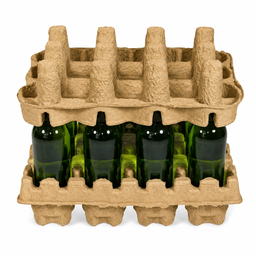
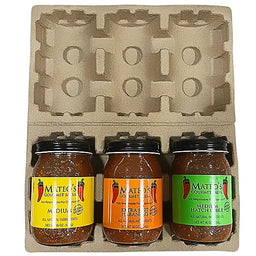
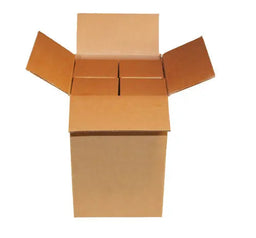
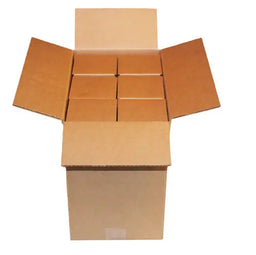
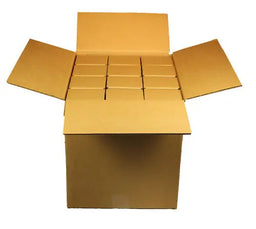
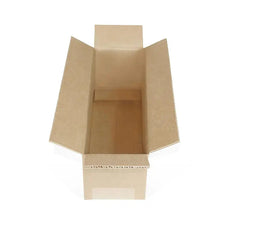
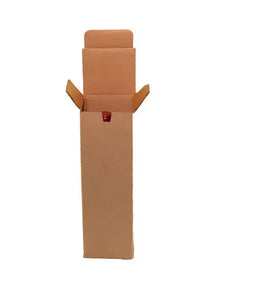
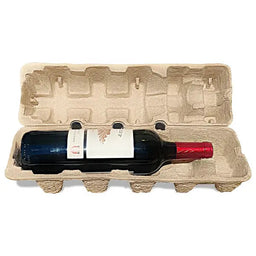
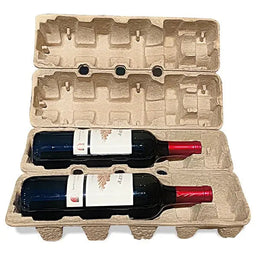
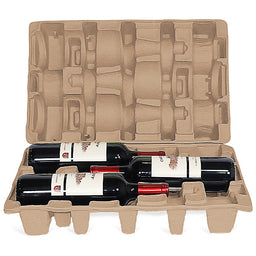
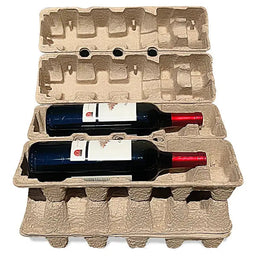
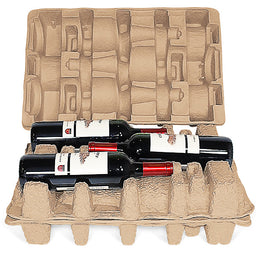
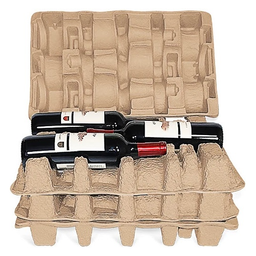
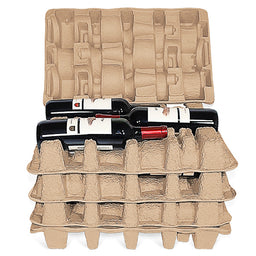
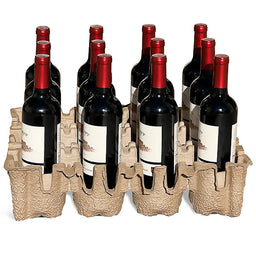
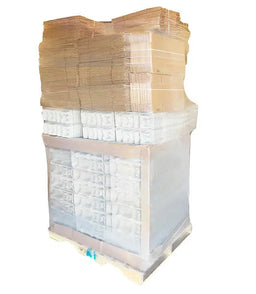
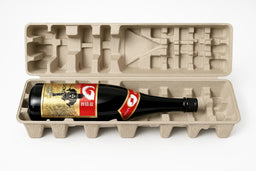
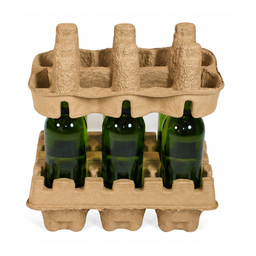
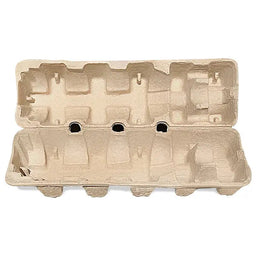
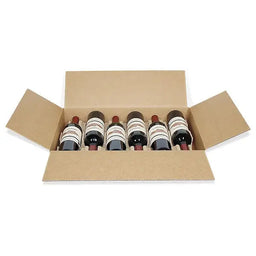
Molded pulp wine shippers provide cushioning while allowing airflow, making them ideal for transitioning wine from cellar to carrier without compromising bottle safety.
Not all collectors have room for a traditional cellar.
Smart alternatives include
These solutions prioritize efficiency while maintaining proper storage conditions. When paired with protective packaging, they also make seasonal or off-site storage easier.
Sustainability is increasingly important for collectors.
Eco-conscious storage options include:
These choices reduce environmental impact while maintaining professional-level wine care.
WineShippingBoxes supports collectors with molded pulp wine shippers and packaging solutions designed to complement modern storage strategies.