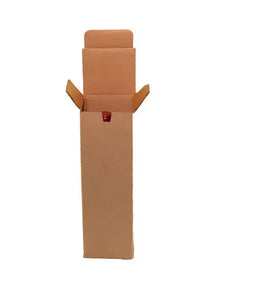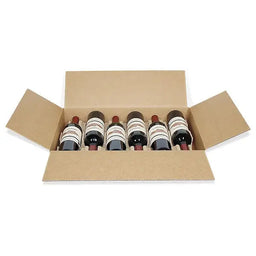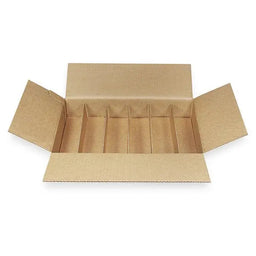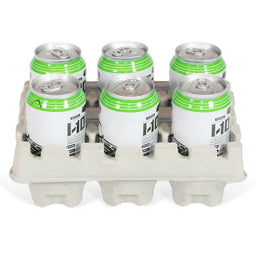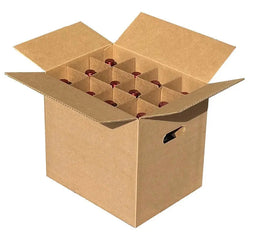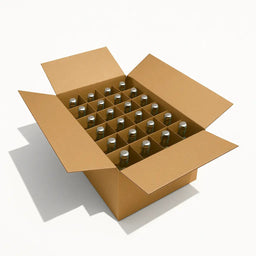


If you ship wine — whether you're a winery, a wine club, or an online retailer — the packaging you choose matters more than you might think. The two most common options are molded pulp wine shippers and styrofoam inserts. Both protect bottles in transit, but they're very different in terms of cost, environmental impact, and performance.
Here's everything you need to know to make the right choice for your business.
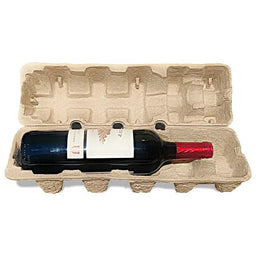
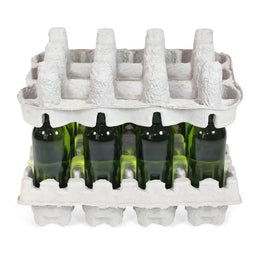
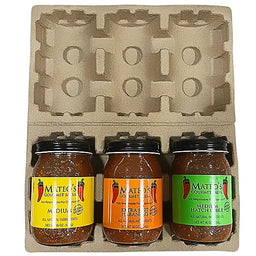
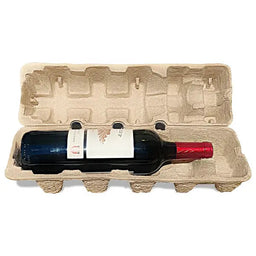
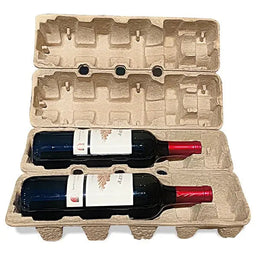
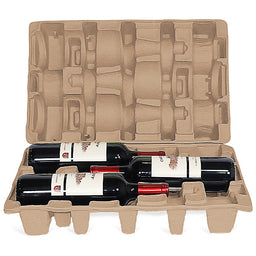
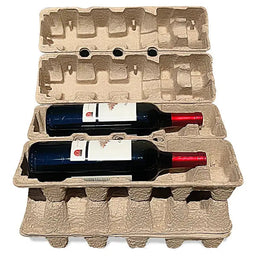
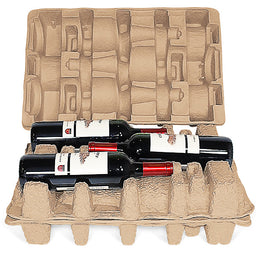
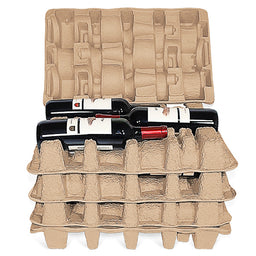
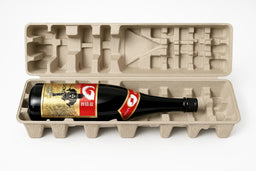
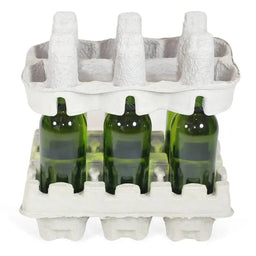
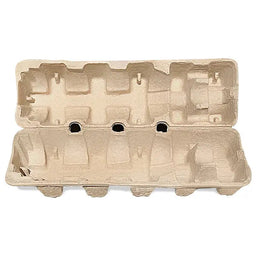
Molded pulp (also called molded fiber) is made from recycled paper and cardboard pulp, shaped into custom forms designed to cradle wine bottles snugly. It's the same material used in egg cartons — lightweight, surprisingly strong, and 100% biodegradable.
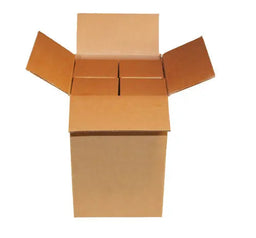
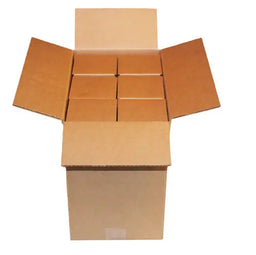
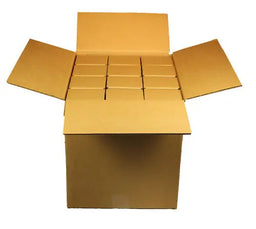
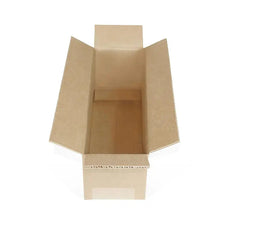
At WineShippingBoxes.com, our molded pulp wine shippers are engineered specifically for wine bottle dimensions, available in 1, 2, 3, 6, and 12-bottle configurations.
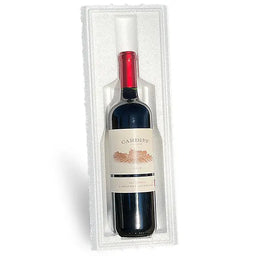
Expanded polystyrene (EPS) — commonly called styrofoam — has been the standard for wine shipping inserts for decades. It's lightweight, provides good thermal insulation, and cushions bottles effectively. But it comes with serious downsides that more and more wineries are moving away from.
Both materials protect wine bottles effectively during normal shipping conditions. However, molded pulp has some specific advantages:
This is where molded pulp wins decisively.
As consumers become increasingly eco-conscious — and as regulations in many states restrict or ban styrofoam packaging — the shift to molded pulp isn't just good ethics. It's good business.
Molded pulp shippers are competitively priced with styrofoam, especially at volume. At WineShippingBoxes.com, we've specifically engineered our pricing to be the lowest in the industry without compromising on quality. Many wineries find that switching to molded pulp actually reduces their packaging costs when accounting for the full picture:
Your packaging is part of your customer experience. When a wine club member opens a box and pulls out crumbling styrofoam that leaves white beads everywhere, that's a negative unboxing moment. When they open a box lined with clean, natural-looking molded pulp that crisply holds their bottles, it signals quality and care.
For premium wineries especially, molded pulp packaging reinforces the brand story — particularly if sustainability is part of your identity.
The trend is clear. Across Napa, Sonoma, Oregon, and Washington, wineries are switching from styrofoam to molded pulp at a rapid pace. Driven by consumer demand for sustainable packaging, state-level styrofoam restrictions, and genuinely competitive pricing, molded pulp has become the new standard for DTC wine shipping.
For most wine shipping applications, molded pulp is the better choice. It protects bottles effectively, costs less or comparably, dramatically reduces your environmental footprint, and creates a better unboxing experience for your customers.
The only scenario where styrofoam might still make sense is shipping wine in extreme temperature conditions over long distances — and even then, thermal wine shippers with ice packs are often a better solution.
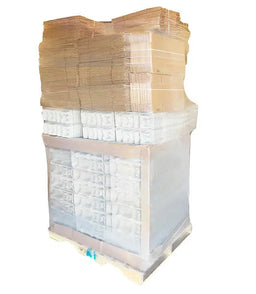
WineShippingBoxes.com offers molded pulp wine shippers in every configuration you need, with the lowest prices in the industry and low minimums so you can get started without a large upfront commitment. Orders ship within 1-2 business days.