Shipping wine across state lines is more complicated than shipping a regular package — but it's entirely manageable once you understand the rules. Whether you're a winery fulfilling DTC orders, a wine retailer shipping to customers, or a wine club sending monthly allocations, this guide covers everything you need to know.
Step 1: Check State-by-State Compliance
Not all states allow direct-to-consumer wine shipping, and those that do have varying requirements. As of 2026, approximately 47 states allow some form of DTC wine shipping, but rules vary significantly:
-
Licensed states: Most states require the shipper to have a specific DTC shipping license for that state.
-
Volume limits: Many states cap how much wine can be shipped per household per month or year.
-
Reciprocity: Some states only allow wine from states with reciprocal agreements.
-
Adult signature required: All carriers require adult signature for wine deliveries.
Use ShipCompliant or a similar compliance platform to manage your state licenses and ensure each order is compliant before shipping.
Step 2: Choose the Right Carrier
Not all carriers ship alcohol. Your options for wine shipping are:
-
UPS: Requires a UPS alcohol shipping agreement. Widely used by wineries.
-
FedEx: Also requires an alcohol shipping agreement. Reliable for wine.
-
GSO (Golden State Overnight): Popular for California wineries shipping within the West Coast.
-
LaserShip/OnTrac: Regional options in select markets.
USPS does not allow wine shipping. Always declare wine contents with your carrier.
Step 3: Use the Right Packaging
This is where most breakage happens — and it's entirely preventable with the right packaging.
What You Need:
-
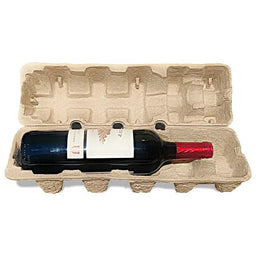
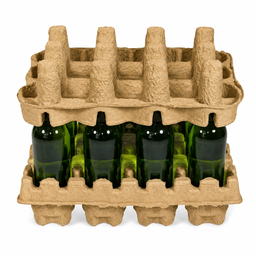
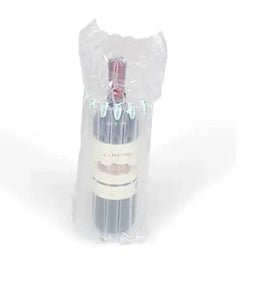
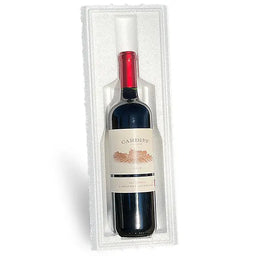
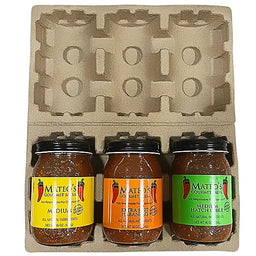
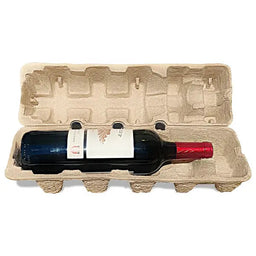
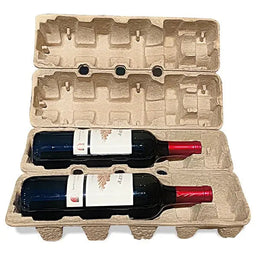
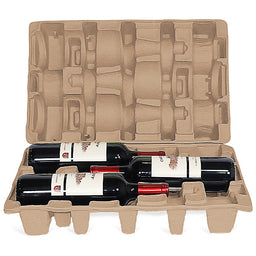
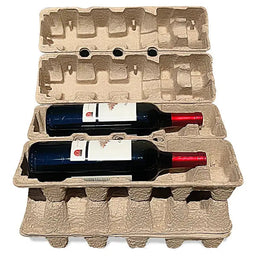
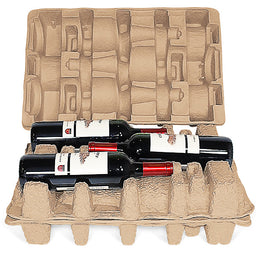
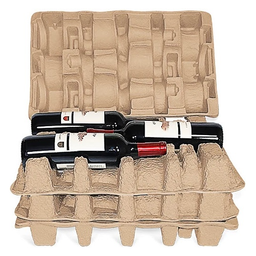
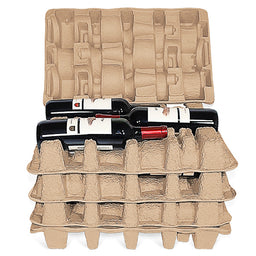
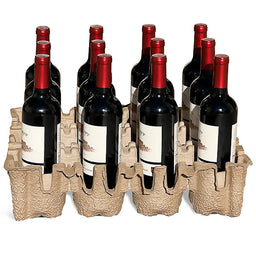
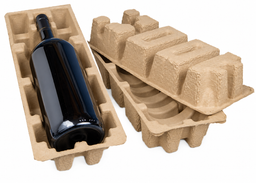
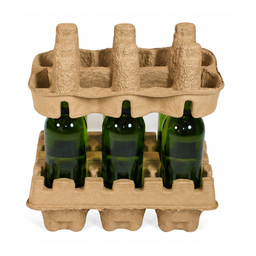
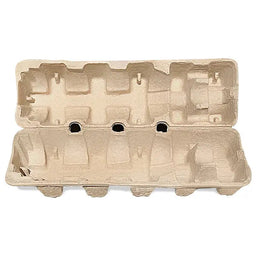
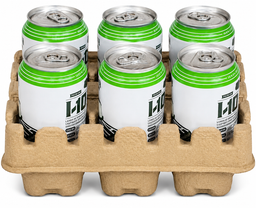
Inner packaging: Molded pulp wine shippers or styrofoam inserts that hold each bottle firmly with no movement. Molded pulp is increasingly preferred for its eco-credentials and comparable protection.
-
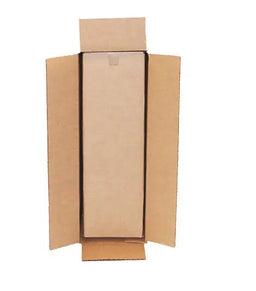
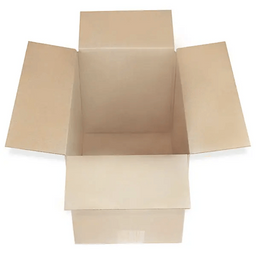
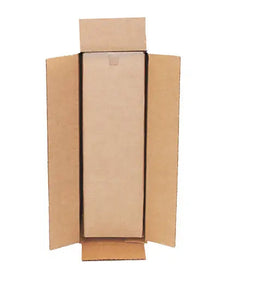
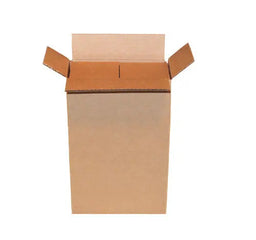
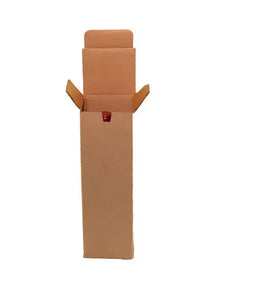
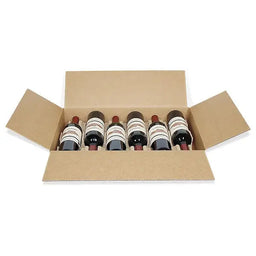
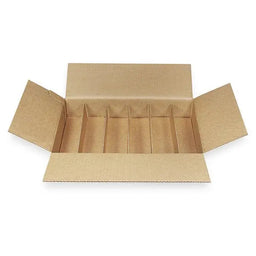
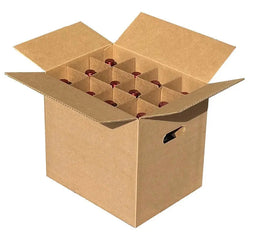
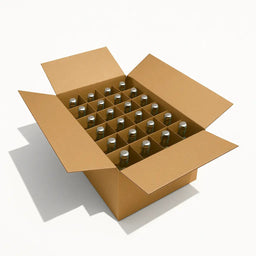
Outer box: Heavy-duty corrugated cardboard rated for the weight of your shipment. Double-wall boxes for multi-bottle shipments.
-
Cushioning: For any gaps between the inner shipper and outer box, use paper cushioning or bubble wrap.
Configuration Tips:
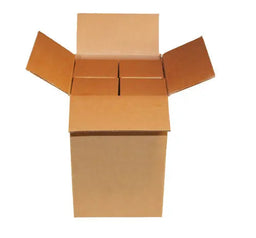
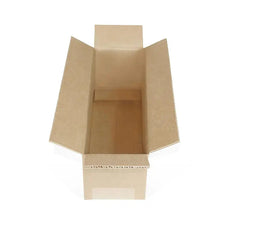
- Single bottles: Use a 1-bottle molded pulp shipper with a snug outer box
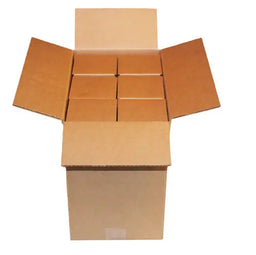
- 2-3 bottles: Dedicated 2 or 3-bottle configurations prevent bottle-to-bottle contact
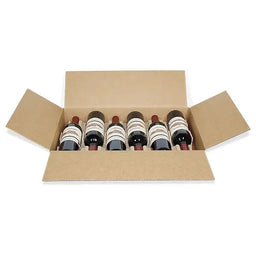
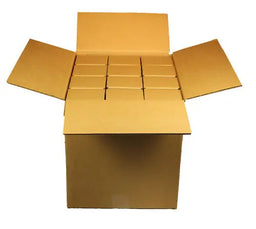
- 6-12 bottles: Full case shippers with individual bottle slots
Step 4: Label Correctly
Wine shipments require specific labeling:
-
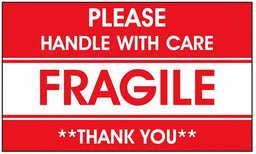
"Contains Alcohol" label on the outside of the box
-
"Adult Signature Required" label (your carrier will provide this)
- Shipper license number where required by state
- Standard shipping label with complete recipient information
Step 5: Consider Temperature
Wine is sensitive to temperature extremes. Shipping in summer heat or winter cold can damage wine quality:
- Avoid shipping during heat advisories in summer months
- Use thermal wine shippers with ice packs for temperature-sensitive shipments
- Consider shipping early in the week so packages don't sit in hot trucks over weekends
- Offer customers the option to hold shipments during extreme weather
Common Wine Shipping Mistakes to Avoid
- Using undersized boxes that allow bottle movement
- Skipping adult signature (carriers can refuse delivery and you'll pay return shipping)
- Shipping to states where you're not licensed
- Using single-wall boxes for multi-bottle shipments
- Not declaring alcohol contents with the carrier
The Right Packaging Makes All the Difference
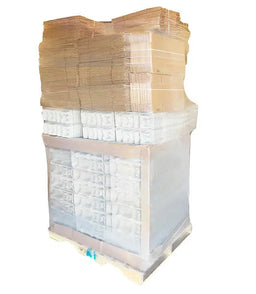
WineShippingBoxes.com supplies wineries, wine clubs, and retailers across the US with molded pulp wine shippers, corrugated outer boxes, and complete wine shipping kits. Our packaging is specifically designed for DTC wine shipping — low minimums, competitive pricing, and ships within 1-2 business days.
Shop Wine Shipping Boxes →