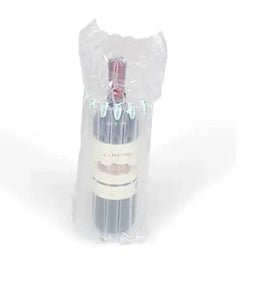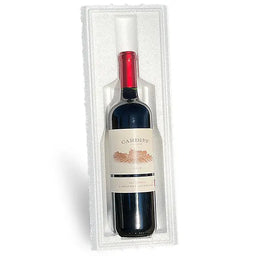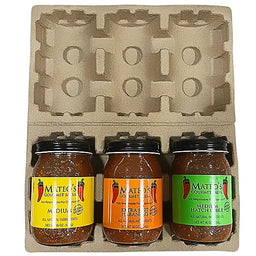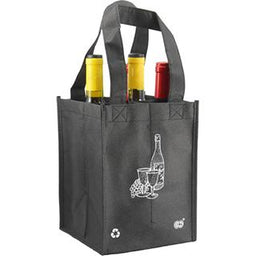


From unexpected breakage to shipping delays and compliance issues, first-time shipping can come with lessons learned the hard way. If you are just getting started, here is what experienced wine retailers wish they knew before shipping their first order.
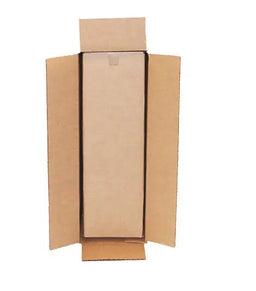
One of the biggest surprises? Regular boxes and basic padding does not cut it.
Wine bottles are heavy and fragile. Without proper protection, they’re at high risk of:
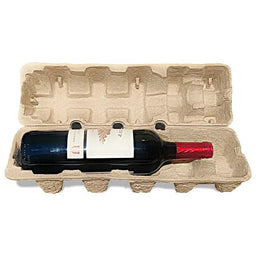
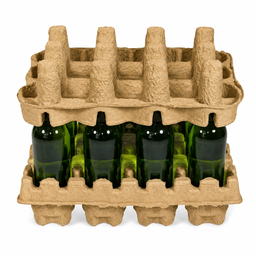
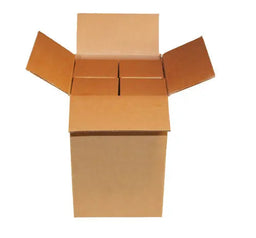
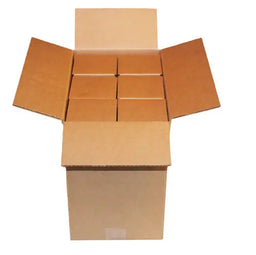
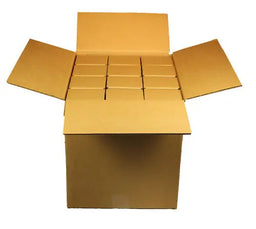
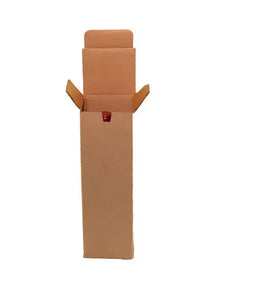
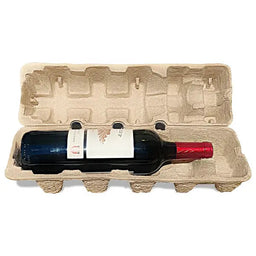
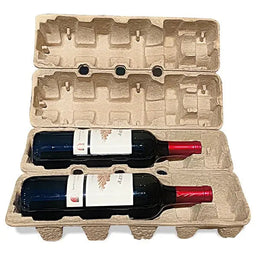
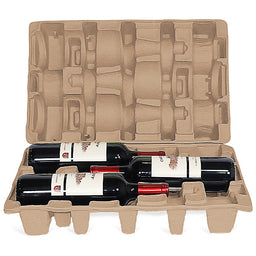
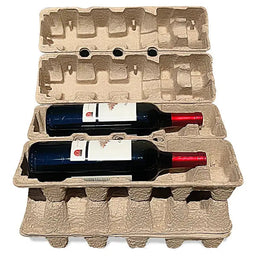
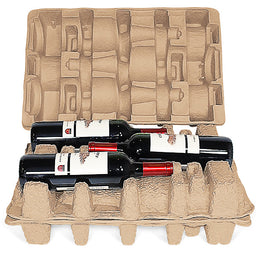
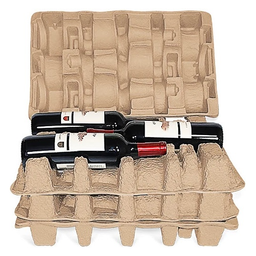
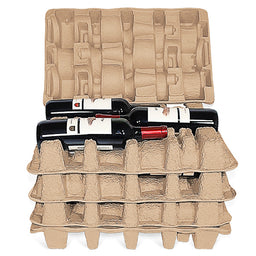
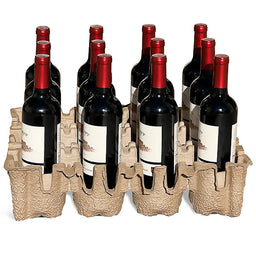
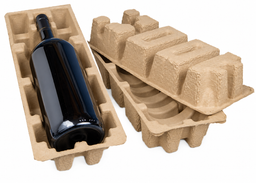
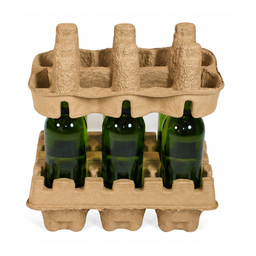
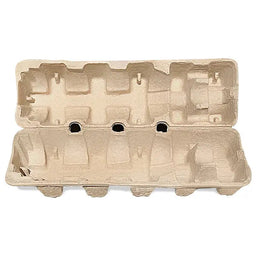
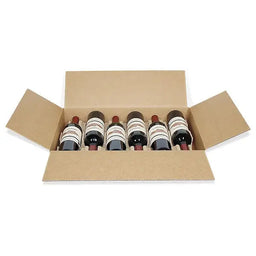
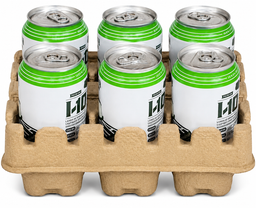
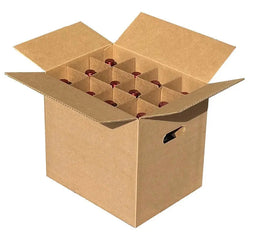
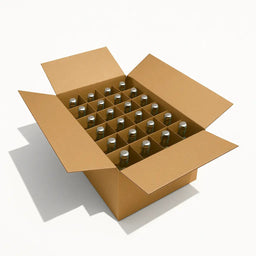
What retailers wish they knew: specialized wine shipping packaging is important, not optional. Custom inserts, especially molded pulp, keep bottles secure and absorb shock during transit.
Even small movements inside the box can lead to damage. First-time shippers often underestimate how much motion happens during delivery.
Packages are
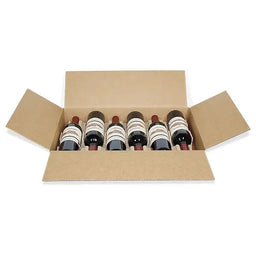
What retailers wish they knew: a tight, secure fit matters more than extra filler. If bottles can move, they can break.
Wine is heavy, and shipping costs can climb fast, especially if packaging isn’t optimized.
Common cost drivers include:
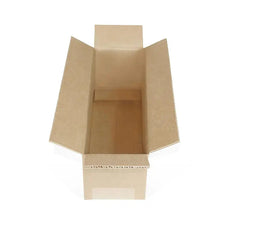
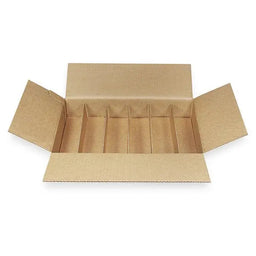
What retailers wish they knew: right-sized packaging reduces both weight and dimensional shipping costs without compromising protection.
Wine is sensitive to temperature changes. Heat and cold can impact flavor, aroma, and overall quality even if the bottle arrives intact.
What retailers wish they knew:
Wine shipping comes with regulations that vary by region and carrier. Missing or incorrect labels can cause delays or rejected shipments.
Retailers often overlook:
Your customer’s experience starts the moment the package arrives not when they open the bottle.
Damaged or poorly packaged shipments can:
Breakage doesn’t just mean losing a bottle; it means:
Many retailers jump straight into shipping without testing their packaging under real conditions.
This leads to:
Overcomplicating packaging can slow down operations and increase costs.
Retailers often try:
Shipping wine is not just about getting bottles from one place to another; it is about delivering a product safely, efficiently, and professionally.
The retailers who succeed are the ones who learn quickly:
If you get these basics right from the start, you will avoid the most common mistakes and set your business up for smoother, more successful shipments.
Because in wine retail, your first shipment should not be your first lesson.