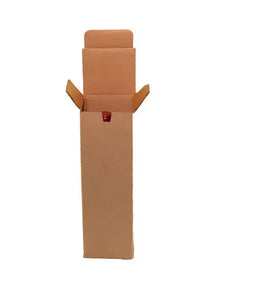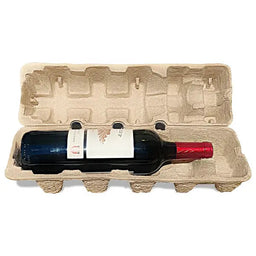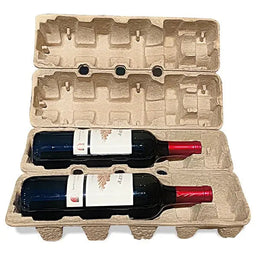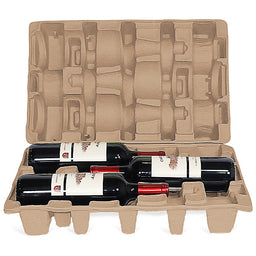


Boxed wine has come a long way. Once seen as a budget option, it is now gaining serious attention from wine lovers and producers alike. One question keeps coming up: Do wines packaged in boxes preserve better than wines in bottles?
The answer depends on how the wine is stored, served, and consumed. Let us break it down clearly and simply.
Wine preservation depends on one main factor: oxygen exposure.
When wine comes into contact with oxygen:
Good packaging controls how much oxygen enters the wine. This is where boxed and bottled wines differ.
Boxed wine is stored in a sealed plastic bladder inside a cardboard box. As wine is poured out, the bladder collapses. This design prevents air from entering.
Key preservation benefits of boxed wine include:
Most boxed wines stay fresh for 4 to 6 weeks after opening if stored properly. That is a major advantage for casual drinkers.
Wine bottles rely on corks or screw caps for sealing.
Before opening:
After opening:
Once opened, bottled wine requires extra tools like stoppers or vacuum pumps to slow oxidation.
This is where boxed wine clearly performs better.
Boxed wine:
Bottled wine:
For households that drink wine slowly, boxed wine offers better short-term preservation.
Preservation and quality are not the same thing.
High-end wines are usually bottled because:
Boxed wines are designed for:
Boxed wine preserves freshness, not aging potential. Bottled wine preserves structure and complexity over time.
Beyond preservation, boxed wine offers other advantages.
These include:
For events, homes, and casual use, boxed wine is often more practical.
Before opening, both formats perform well when stored correctly.
Boxed wine:
Bottled wine:
For long-term collectors, bottles still win. For everyday use, boxed wine is more than sufficient.
Boxed wine preserves better when:
It is ideal for:
Bottled wine is better when:
It remains the preferred option for premium and collectible wines.
So, do wines packaged in boxes preserve better than wines in bottles? After opening, yes. Boxed wine limits oxygen exposure and keeps wine fresh much longer. Before opening and for long-term aging, bottled wine still holds the advantage.
Understanding how you drink wine is the key to choosing the right packaging. When used as intended, boxed and bottled wines both preserve wine effectively in their own way.