

Shipping fragile goods has never been more complex. With rising e-commerce volumes, tighter delivery timelines, and longer shipping distances, even well-packed products face increased handling risks. For businesses and individuals shipping wine, glassware, or specialty items, damage during transit is not just inconvenient; it's costly.
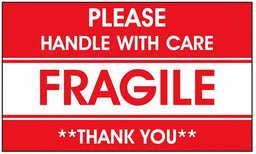
That's where a fragile label plays a meaningful role. While labels alone don't prevent breakage, they act as a critical communication tool within the shipping process. When used alongside purpose-built packaging, fragile tags help reduce mishandling, lower damage rates, and protect both the product and the brand.
At Wine Shipping Boxes, we see handle with care labeling as part of a larger system, one that combines strong materials, intelligent design, and clear handling signals to deliver shipments safely from origin to destination.
Shipping damage has become a widespread industry challenge. Across global e-commerce, approximately 10% of packages arrive damaged, contributing to an estimated USD 2.92 billion in annual losses. Each damaged order incurs an average cost of USD 17.20, including replacements, customer support, refunds, and long-term customer churn.
These numbers explain why the global handle with care label market reached USD 5.3 billion in 2024 and is projected to grow to USD 7.2 billion by 2034. This steady growth reflects how businesses increasingly treat damage prevention as a core logistics function rather than an afterthought. For wine shipments, where glass breakage can destroy the entire package, even a single damaged delivery can outweigh the combined cost of proper labeling and protective packaging.
A fragile sticker doesn't reinforce a box or absorb impact, but it does influence how a package moves through the system. From warehouse floors to delivery vehicles, labels serve as visual cues that guide human handling.
Fragile tags help by:
Signaling special handling needs to the warehouse staff
Reducing stacking pressure from heavier parcels
Encouraging upright orientation during transport
Supporting carrier sorting decisions in mixed shipments
When used consistently, fragile stickers serve as a low-cost risk-reduction tool. Industry data shows that these labels, when paired with proper packaging, can reduce damage rates by up to 25%. That reduction becomes especially important for shipments involving wine bottles, which are vulnerable to shock, vibration, and compression forces.
One of the most common misconceptions is that a handle with a care label replaces protective packaging. In reality, labels work only when the internal packaging can withstand the forces of regular transit.
At Wine Shipping Boxes, we emphasize that fragile tags should reinforce what the packaging already does not compensate for, such as weak materials.
Effective damage prevention relies on:
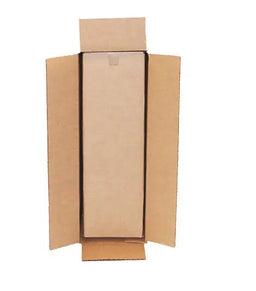
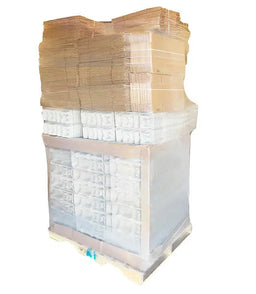
Rigid outer cartons made from high-grade corrugated cardboard
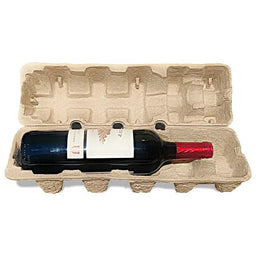
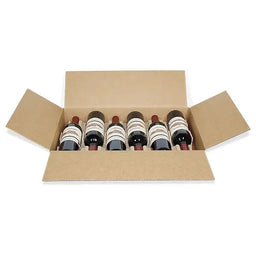
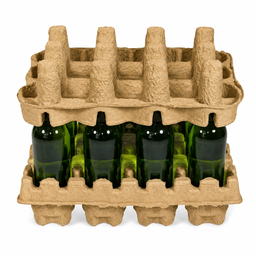
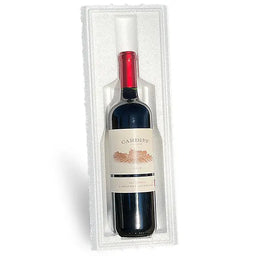
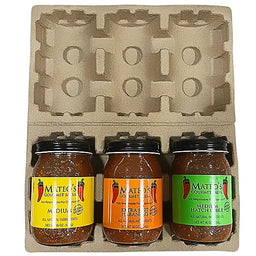
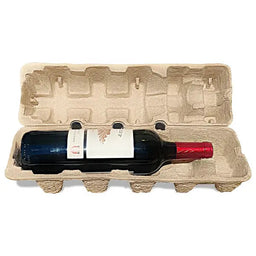
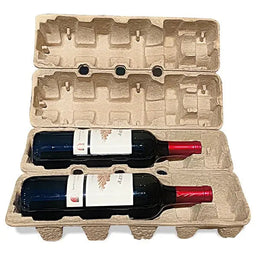
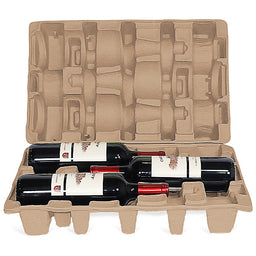
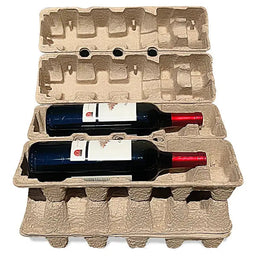
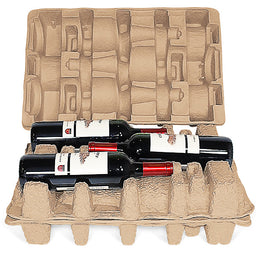
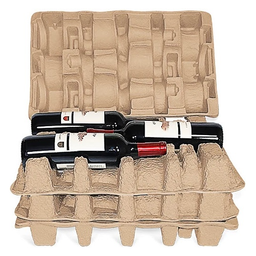
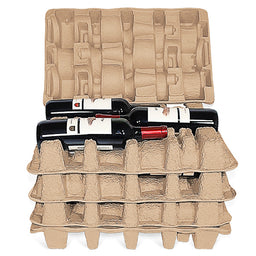
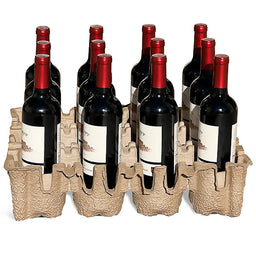
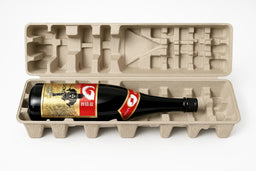
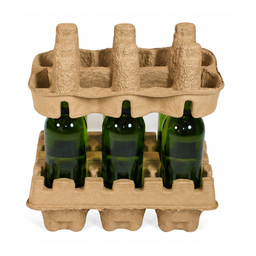
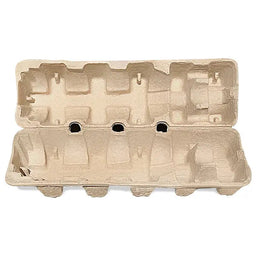
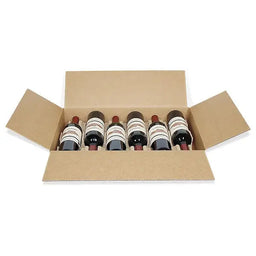
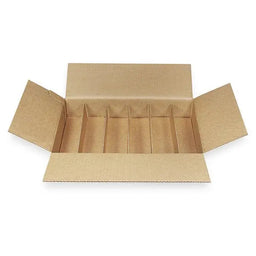
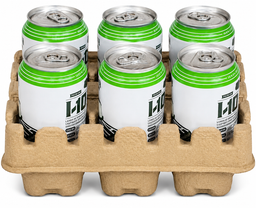
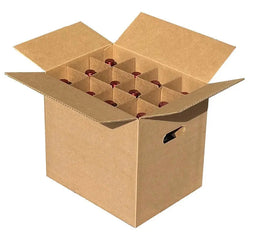
Internal dividers or molded pulp trays that isolate each bottle
Cushioning systems that absorb vibration and drops
Sealed closures that maintain structural integrity
When a fragile label is placed on a poorly packed box, it creates a false sense of confidence. When placed on a properly engineered wine shipping box, it completes the protection system.
Wine presents a unique shipping challenge. Bottles are heavy, breakable, and sensitive to movement. Even short-distance shipping can result in cracks or leaks if bottles collide internally.
This is why fragile tagging matters more in wine logistics than in many other categories.
A visible, fragile sticker communicates that the contents require careful handling, while the internal packaging does the physical work of protection. This pairing becomes even more critical for:
Wholesale wine shipments
Direct-to-consumer wine deliveries
Wine club fulfillment
Seasonal or bulk shipments
Our wine shipping boxes are designed to work seamlessly with fragile stickers, reinforcing the message that the contents deserve careful handling from start to finish.
The market has evolved beyond basic paper stickers. Today, plastic labels account for 63.4% of global label usage, driven by durability, moisture resistance, and adhesion reliability during long-distance shipping.
Additionally, 61.2% of fragile tags now incorporate barcode technology, allowing logistics systems to combine visual warnings with machine-readable data. This trend supports better tracking, sorting, and accountability throughout the shipping process.
These advancements reflect a broader shift toward smarter logistics, where labeling supports both human decision-making and automated systems.
Handle with care label adoption varies by region, closely tied to shipping volume and product sensitivity.
Asia-Pacific leads growth, with India projected at 6.4% CAGR and China at 4.7%, driven by rapid e-commerce expansion
The United States shows slower growth at 1.6% CAGR, reflecting a mature but high-volume shipping market
Spain sees increased adoption due to glassware and ceramics exports
Thailand demonstrates strong growth tied to pharmaceutical and precision equipment shipping
These patterns show that as shipping networks grow more complex, fragile tagging becomes more important, not less.
Beyond physical protection, fragile stickers influence customer perception. A damaged delivery can undermine trust, even when the product itself is replaced quickly.
Clear labeling communicates that:
The shipper understands the product's value
Care was taken during packing
Handling instructions were provided upfront
For businesses shipping wine, presentation matters. A clean, well-labeled package reinforces professionalism and reduces friction when interacting with carriers or customers.
At Wine Shipping Boxes, we don't treat handles with care labels as an add-on. We view them as part of a complete shipping strategy designed around real-world transit conditions.
Our approach includes:
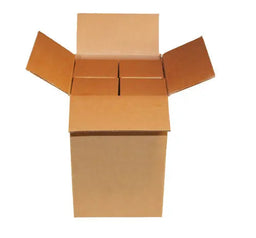
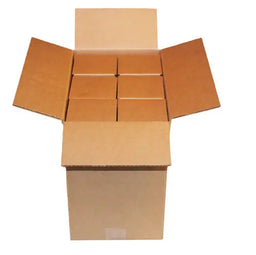
Heavy-duty corrugated boxes engineered for glass protection
Molded pulp and divider systems that immobilize bottles
Compatibility with fragile stickers for clear external communication
Fast fulfillment within 1–2 business days to reduce handling delays
By aligning packaging design with labeling clarity, we help reduce preventable damage and support consistent, damage-free delivery.
Shipping damage remains one of the most expensive and avoidable problems in logistics. While fragile stickers won't stop every incident, data shows they play a measurable role in reducing risk when paired with proper packaging.
With global shipping damage costing billions annually and fragile stickers adoption continuing to grow, the message is clear: prevention costs less than replacement.
At Wine Shipping Boxes, we focus on building shipping systems that work together from the inside of the box to the outside label. Hence, your bottles arrive intact, your customers stay satisfied, and your shipping process remains reliable at scale.
When protection matters, every detail counts.
A fragile tag signals to carriers and handlers that a package contains breakable items and should be handled with added care. At Wine Shipping Boxes, we view fragile labeling as a visual safeguard that supports careful handling when used alongside proper wine-specific packaging.
Fragile stickers can help reduce shipping damage when combined with protective packaging. Industry data shows that visible, fragile stickers, paired with structured inserts or molded pulp protection, may lower damage rates by up to 25%. That's why Wine Shipping Boxes recommends using fragile stickers as part of a complete shipping system, not as a standalone solution.
No. A label alone cannot prevent breakage. Wine bottles still require reinforced cartons, internal dividers, and cushioning. At Wine Shipping Boxes, our shipping boxes are designed to absorb impact and prevent movement, while labels reinforce proper handling throughout transit.
Fragile stickers should be placed on multiple visible sides of the box, ideally near the top edges and main panels. This placement ensures handlers can quickly recognize the contents. When shipping with Wine Shipping Boxes, we recommend pairing clear labeling with correctly oriented inserts to further reduce risk.
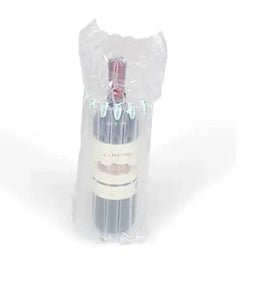
Fragile labels complement the protective design of Wine Shipping Boxes by helping carriers identify packages that require extra attention. Together with our corrugated cartons, molded pulp shippers, and inflatable bottle protectors, fragile labeling supports safer deliveries, fewer replacements, and better customer satisfaction.