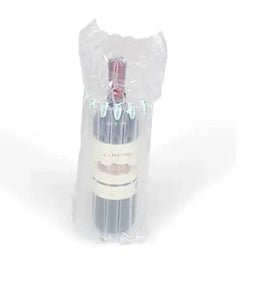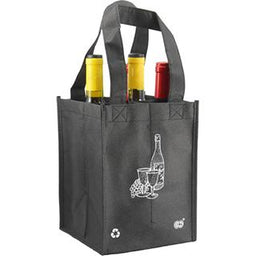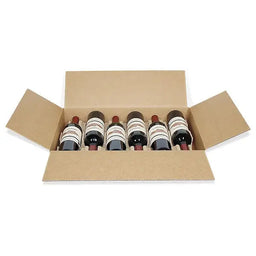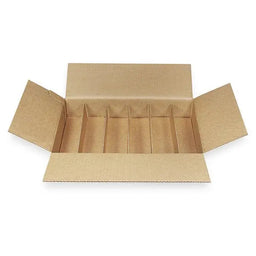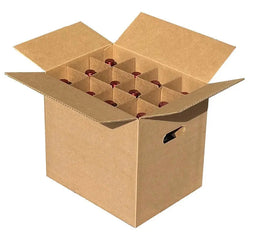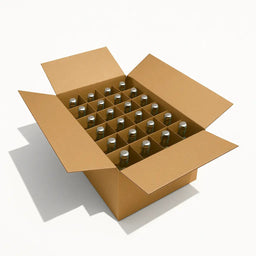


Transporting wine is way different from shipping other products. Wine bottles are delicate and susceptible to damage. Poor packaging material can result in breakage, returns, and dissatisfied customers.
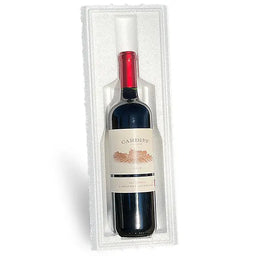
Foam wine shippers are specifically designed for bottles during transportation, particularly for long distances.
Foam shippers are widely used because they offer strong cushioning and shock absorption. Wine bottles are made of glass, and even a minor impact can cause cracks or complete breakage. Foam inserts cradle each bottle tightly, minimizing movement inside the box.
Unlike loose packing materials, foam keeps bottles separated and stabilized. This reduces the risk of bottles knocking against each other during shipping.

When choosing the best foam shipper for fragile wines, focus on fit, density, insulation, and shipping compliance.
Wine bottles vary in shape and height, from standard 750 ml bottles to champagne and magnum formats. A poor fit leaves space for movement, which increases the chance of damage. A properly molded foam insert should hold the bottle securely without forcing pressure against the glass.
Higher-density foam generally provides better shock absorption. It resists compression during drops or stacking in transit. Low-density foam may feel soft but can collapse under weight, reducing protection.
While foam shippers are not full temperature-control systems, they offer insulation that helps slow down temperature changes. This is especially useful during summer or winter shipping when wines are exposed to fluctuating conditions.
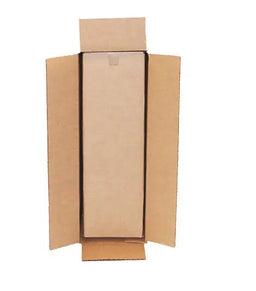
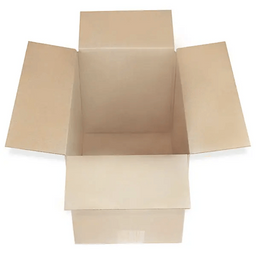
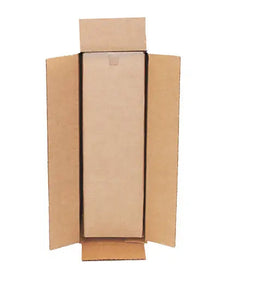
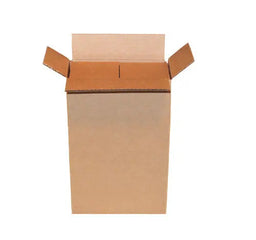
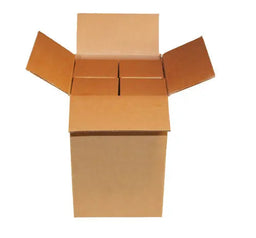
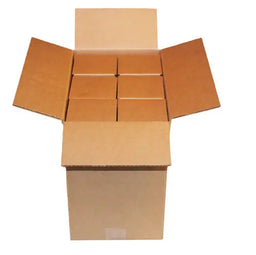
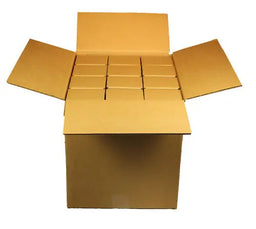
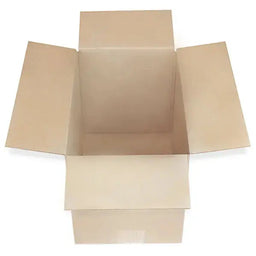
Finally, make sure your foam shipper works with sturdy outer corrugated boxes that meet carrier requirements. Protection is only as strong as the full packaging system.
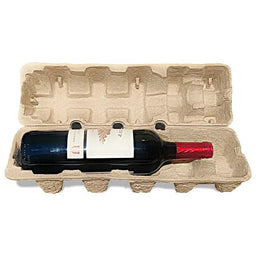
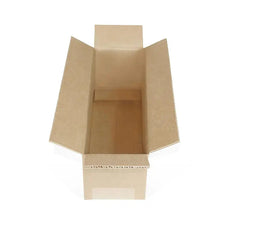
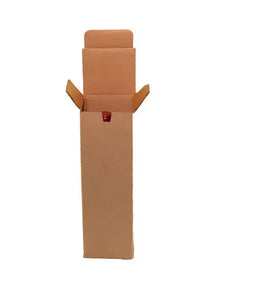
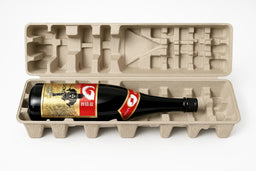
The number of bottles you ship regularly should influence your choice. Single-bottle foam shippers are ideal for individual orders or samples. They offer compact protection and reduce excess packaging.
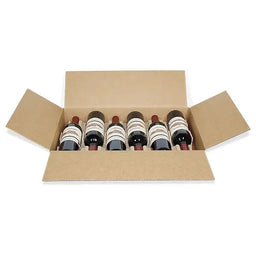
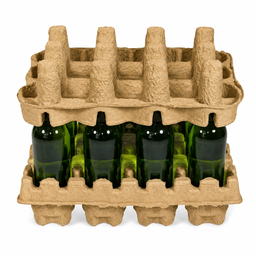
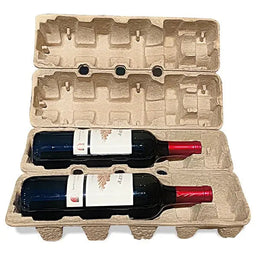
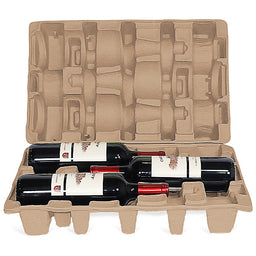
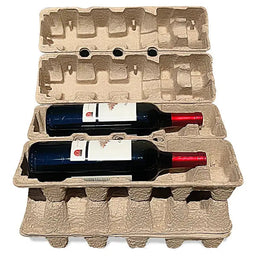
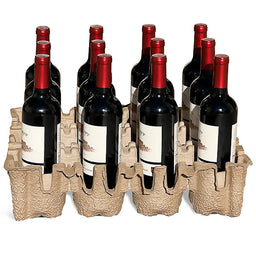
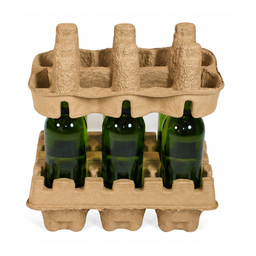
Multi-bottle foam inserts are more efficient for bulk orders. These designs hold bottles separately while maintaining structural integrity inside the shipping box. The goal is to distribute weight evenly and prevent internal movement.
Choosing the right configuration improves both safety and shipping efficiency.
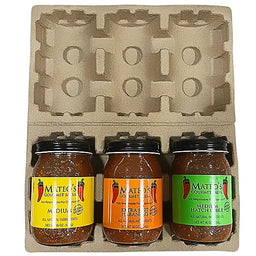
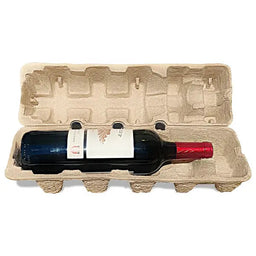
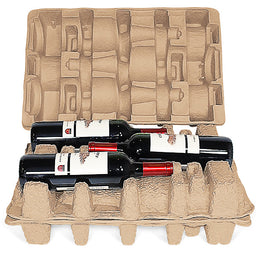
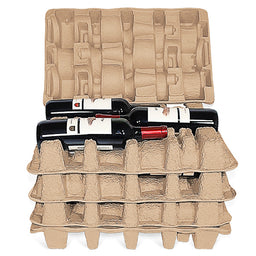
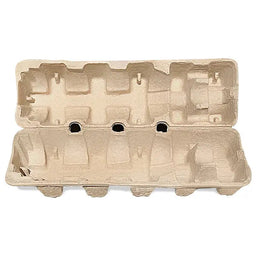
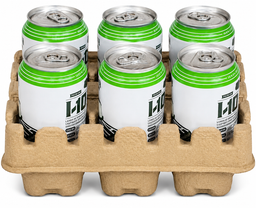
One main concern that most businesses have about foam packaging is sustainability. While foam offers strong protection, many brands are now exploring alternatives like molded pulp for eco-conscious customers.
However, when breakage risk is high, foam may still be the most reliable option. Reducing product damage also reduces waste.
It can be tempting to choose lower-cost packaging. But with fragile wines, the real cost is from breakage. Replacing bottles, refunding customers, and managing damaged shipments quickly outweigh small savings on packaging.
A high-quality foam shipper is an investment in brand reputation. Customers expect their wine to arrive intact. Reliable packaging ensures they return for future purchases.
Choosing the best foam shipper for fragile wines comes down to proper fit, foam density, insulation, and overall packaging design. The right solution minimizes movement, absorbs shock, and protects bottles throughout the shipping journey.