

Ensuring that products are shipped safely is important this year. You may be probably moving fragile electronics, glass items, or food products; the right packaging can protect both your products and your brand's reputation. Currently, we have two main options at the forefront of discussions: traditional packaging and air cushion shippers.
While each option has its pros, understanding their performance can help you in making a well informed decision.
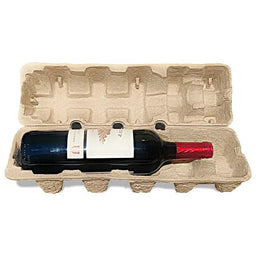
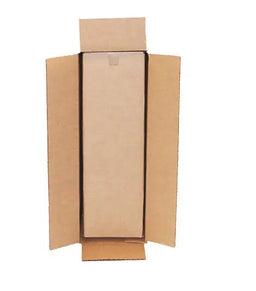
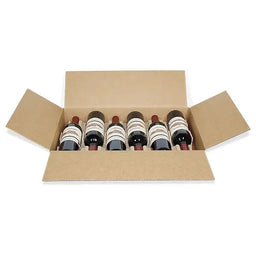
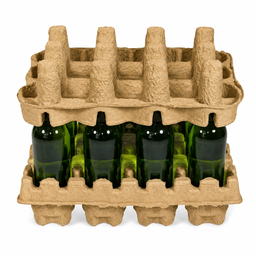
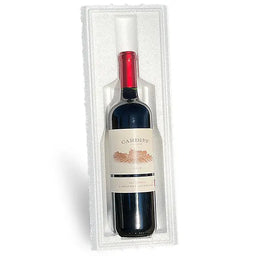
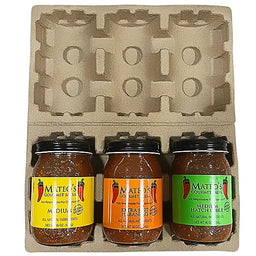
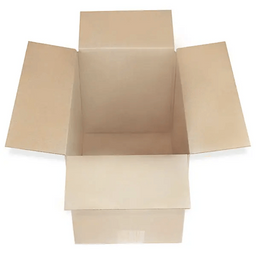
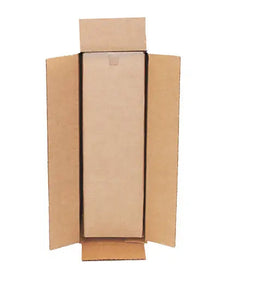
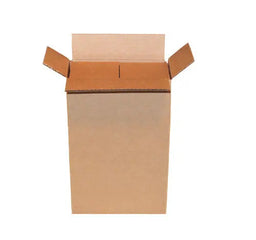
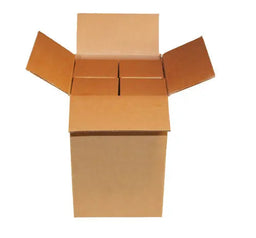
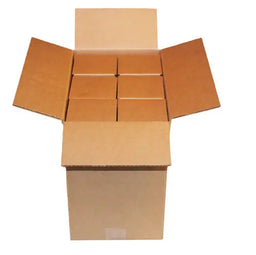
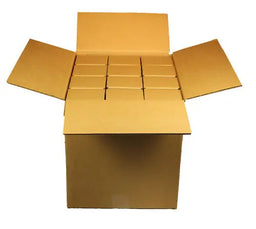
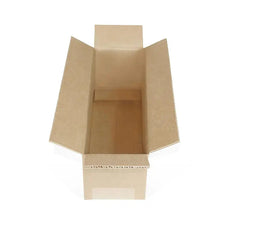
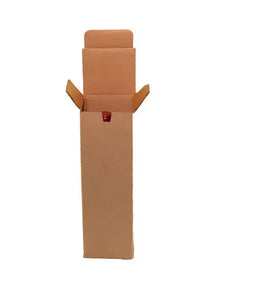
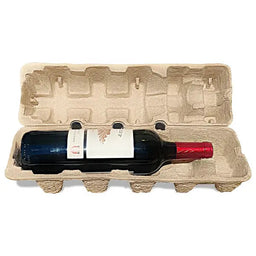
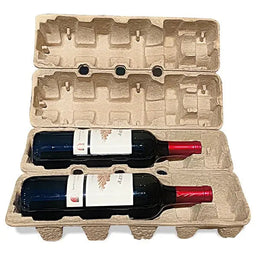
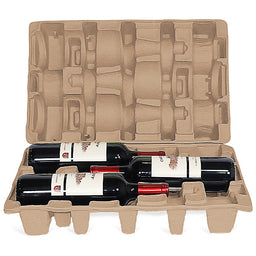
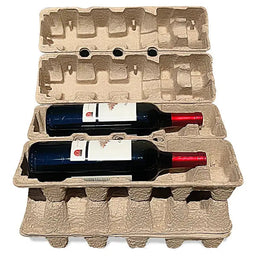
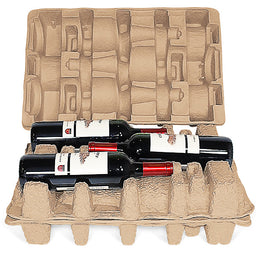
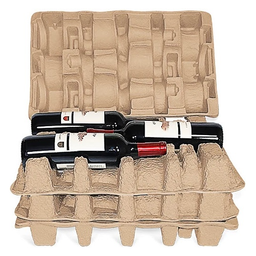
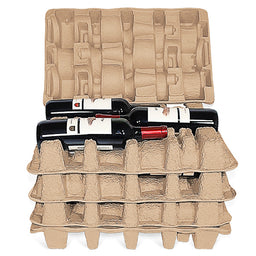
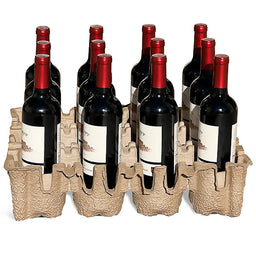
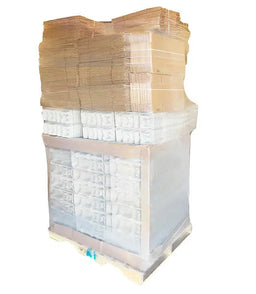
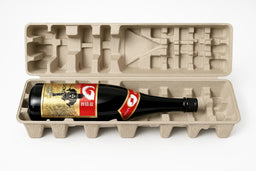
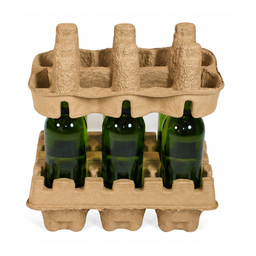
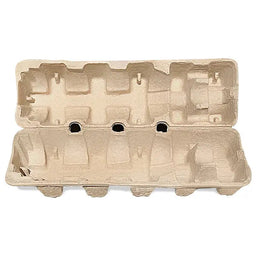
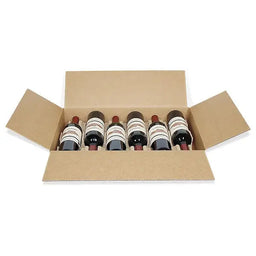
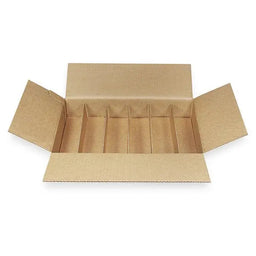
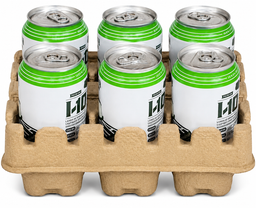
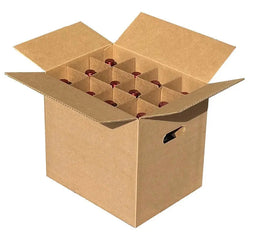
Traditional packaging has been the standard for decades. Cardboard boxes combined with foam inserts, molded pulp, or packing peanuts create a solid layer of protection around products.
Advantages of traditional packaging:
Disadvantages:
While traditional packaging is reliable, its weight and environmental impact are becoming more significant concerns in 2026, especially for businesses shipping high volumes.
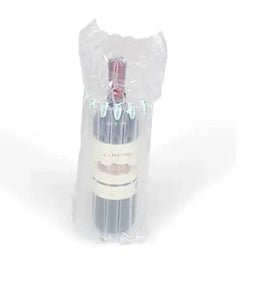
Air cushion shippers are increasingly popular for modern shipping needs. These inflatable packaging solutions use air-filled pockets to protect products, offering a flexible and lightweight alternative to foam or molded inserts.
Advantages of air cushion shippers:
Disadvantages:
Air-cushion packaging is ideal for fragile, lightweight, or oddly shaped items where flexibility and shock absorption are priorities.
| Feature | Traditional Packaging | Air Cushion Shippers |
|---|---|---|
| Protection | High for heavy, rigid items | High for fragile, lightweight items |
| Shipping Weight | Heavier, can increase cost | Lightweight, reduces cost |
| Eco-Friendliness | Often lower due to foam/peanuts | Often recyclable/reusable |
| Storage Efficiency | Bulky | Deflates for space-saving |
| Ease of Use | Straightforward | Quick to pack and seal |
Both packaging types are effective; the choice depends on the product and shipping goals.
In 2026, shipping efficiency, sustainability, and cost are top priorities. Many businesses are adopting a hybrid approach: using a traditional outer box for structure and air cushions inside for impact absorption. This combines rigidity with flexibility and keeps shipping costs down.
Both traditional packaging and air cushion shippers are important. The important factor is to understand the requirements of your products, the shipping routes, and the sustainability objectives.
By the year 2026, companies that effectively balance protection, cost, and environmental impact will possess a competitive advantage.