


Summer is one of the most challenging times to ship wine. Temperatures inside delivery trucks and warehouses can reach 130°F or higher — well above the threshold that damages wine quality and pushes corks. For wineries and wine retailers shipping direct-to-consumer, summer heat is a real operational risk that needs a clear strategy.
Wine is sensitive to heat in ways that aren't always immediately visible:
Damage can occur in a single afternoon if a package sits on a hot porch or in an unventilated delivery truck.
The safest shipping window in summer is Monday through Wednesday. Packages shipped early in the week are more likely to be delivered before the weekend, avoiding sitting in hot trucks or on porches Saturday and Sunday when no one may be home to retrieve them.
Avoid shipping Thursday or Friday in summer — packages that don't make Friday delivery often sit in warehouses or trucks over the weekend.
For temperature-sensitive shipments, thermal insulated wine shippers provide a buffer against heat. Options include:
Gel packs provide cooling for approximately 24-48 hours depending on ambient temperature and insulation quality. For ground shipments that may take 3-5 days, gel packs alone aren't sufficient without good insulation.
Many wineries and wine retailers implement summer temperature hold policies — giving customers the option to pause shipments during heat advisories and resume in fall. This is especially important for premium wine club members whose wine is worth protecting.
Best practice: communicate your temperature hold policy clearly at the beginning of summer in your wine club communications. Most members appreciate it.
Summer shipping is an opportunity to build trust with your customers by being upfront about risks and your policies:
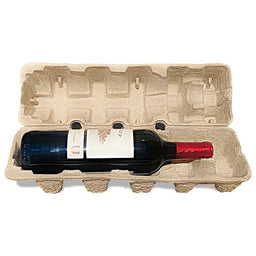
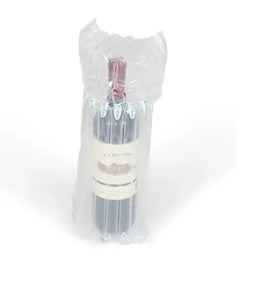
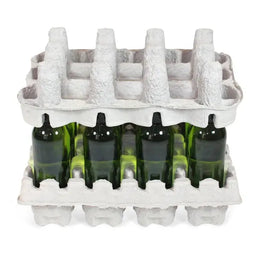
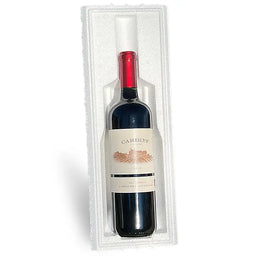
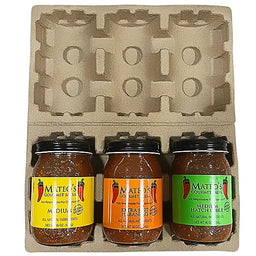
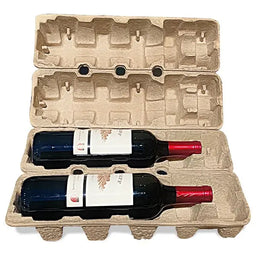
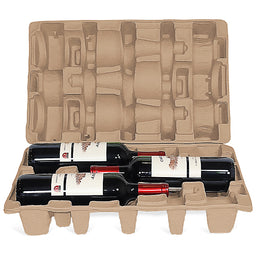
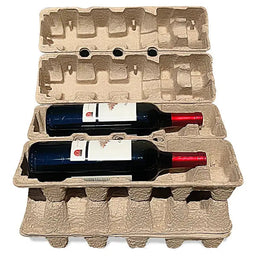
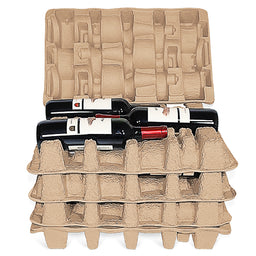
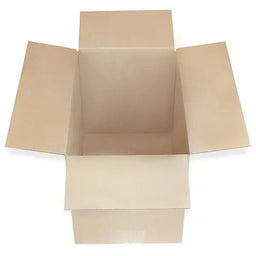
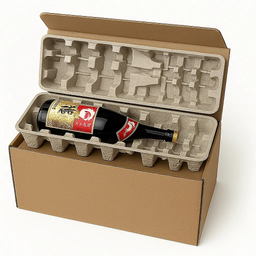
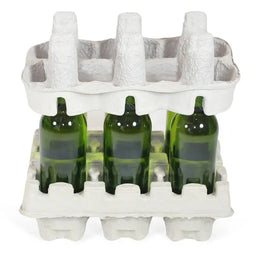
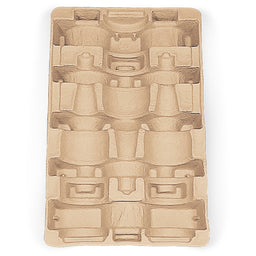
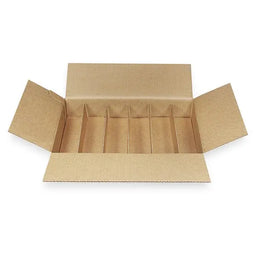
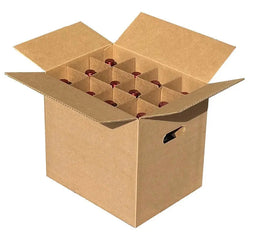
Regardless of season, your base wine packaging needs to be right. Purpose-built wine shippers — like molded pulp wine shippers from WineShippingBoxes.com — protect bottles from physical damage throughout transit. Combine solid protective packaging with smart summer shipping practices and you dramatically reduce heat-related losses.