

Wine club members are your most valuable customers. They've committed to a recurring relationship with your winery, they're paying automatically, and they're your most likely ambassadors to friends and family. Keeping them happy — and keeping them subscribed — is one of the most important things you can do for your DTC business.
What many wineries don't fully appreciate is how much the physical packaging experience affects member retention. Here's what members actually notice, and what you can do to make sure your packaging reinforces your relationship rather than undermining it.
For a wine club member, receiving their allocation is a recurring event — something they look forward to. The unboxing moment is a touchpoint with your brand, and like all brand touchpoints, it either reinforces positive feelings or creates friction.
Members notice things you might not expect:
Multiple studies of subscription businesses show that a single negative product experience doubles the likelihood of cancellation. For wine clubs specifically, a broken shipment or a frustrating unboxing experience plants a seed of doubt that often leads to "let me think about whether I still want this membership."
You work hard to get wine club members. Don't let packaging be the reason they leave.
The most successful DTC wine clubs share several packaging practices:
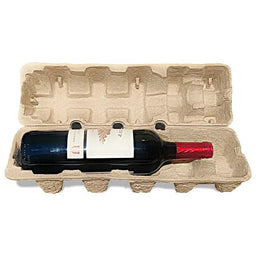
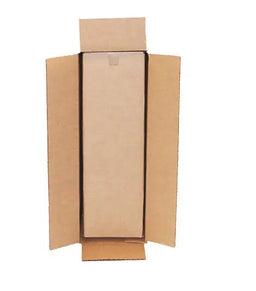
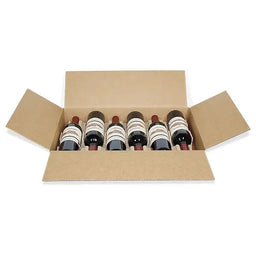
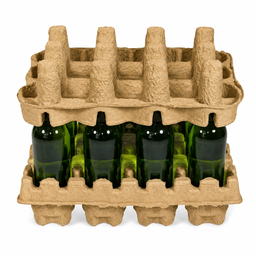
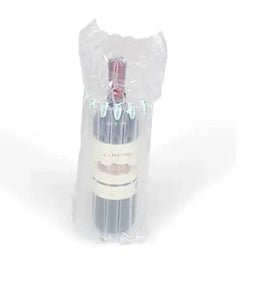
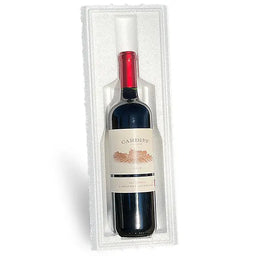
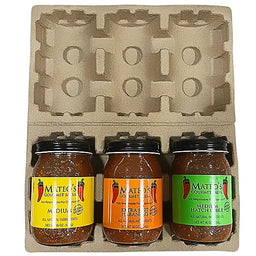
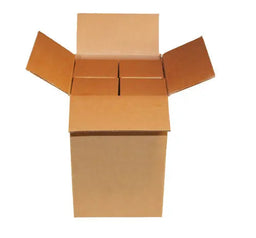
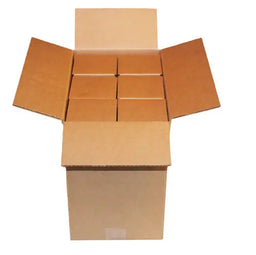
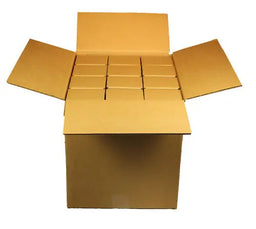
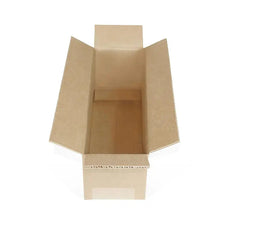
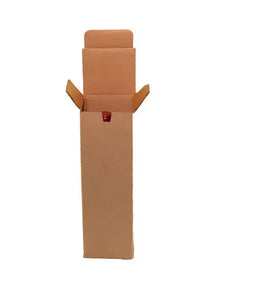
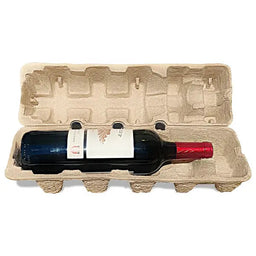
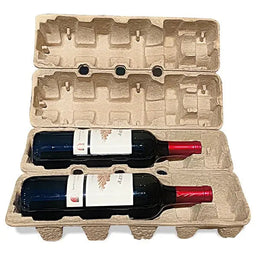
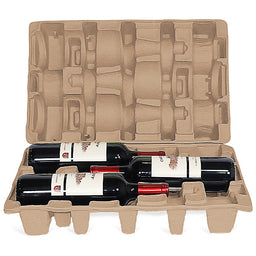
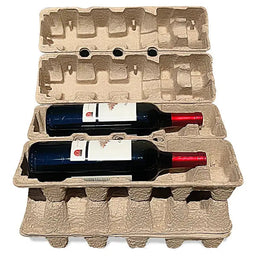
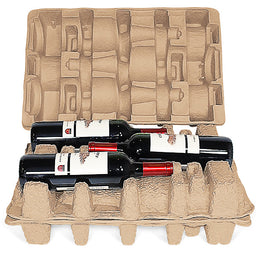
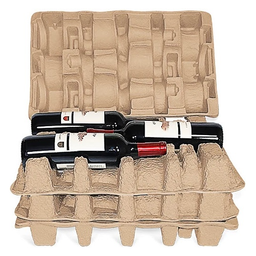
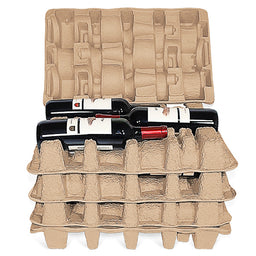
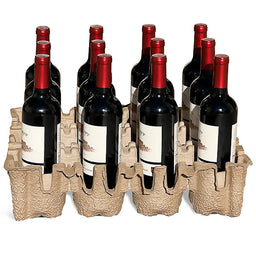
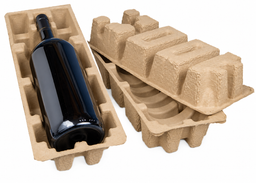
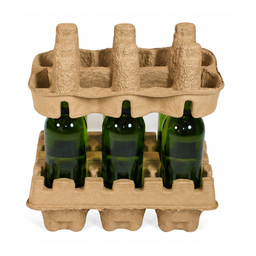
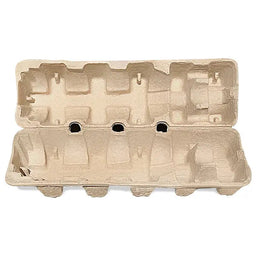
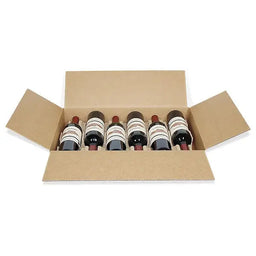
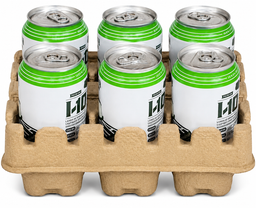
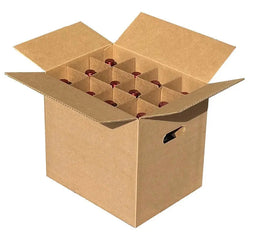
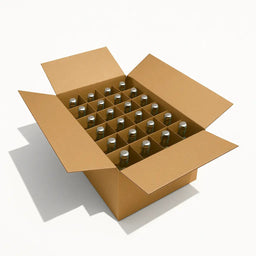
Generic bubble wrap or foam peanuts signal that packaging wasn't a priority. Purpose-built wine shippers — like molded pulp inserts sized specifically for wine bottles — signal the opposite: that you thought about the experience.
Wine club members tend to be environmentally conscious consumers. Many are actively reducing their plastic use at home. Shipping their wine in 100% recyclable molded pulp packaging is something they notice and appreciate — and some will mention it in reviews and referrals.
Every shipment should look the same. Consistency builds trust. If one shipment arrives beautifully packaged and the next arrives in a makeshift box with generic foam, that inconsistency creates doubt.
If you've made the switch to eco-friendly packaging, tell your members. A simple line in your shipment email or packing note — "We now ship in 100% recyclable molded pulp packaging" — turns a packaging decision into a brand story.
If improving packaging reduces your wine club cancellation rate by just 1% on a 500-member club with $60/month average spend, that's:
The cost difference between commodity packaging and quality wine shippers is typically a fraction of that.
WineShippingBoxes.com supplies wine clubs of all sizes with molded pulp wine shippers — clean, eco-friendly, and engineered to protect your bottles and impress your members. Low minimums so you can start with exactly what you need.