

Ask most winery operations managers what their breakage rate is, and they'll give you a rough estimate. Ask them what it's actually costing their business, and the number is almost always much higher than they initially think.
Breakage in wine shipping isn't just the cost of a broken bottle — it's a cascade of costs that compounds quickly. Here's how to calculate what breakage is really costing you, and what you can do to reduce it.
When a wine shipment arrives broken, here's what you actually lose:
Start with the wholesale cost of the wine. If you're shipping a $40 retail bottle, your cost of goods might be $8-15. That's the floor.
Most wineries replace broken shipments at no charge to keep the customer relationship. That means you're eating the full retail value of the replacement, not just cost of goods — plus the shipping cost to send it again.
Someone has to handle the claim — responding to the customer, filing a carrier claim, arranging the replacement. At even $25/hour fully loaded, 30 minutes of CS time adds $12.50 per incident.
Filing and following up on UPS or FedEx claims takes time and doesn't always result in reimbursement. Many wineries stop filing for small claims because it's not worth the effort — which means they're absorbing the full loss.
A broken shipment is a negative brand experience. Wine club members who receive broken bottles are more likely to cancel their membership. If your average wine club member has a lifetime value of $800-2,000, even a small increase in churn from breakage incidents has significant financial impact.
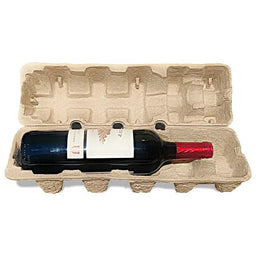
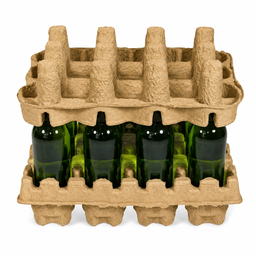
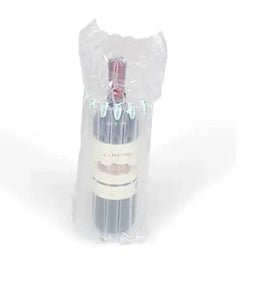
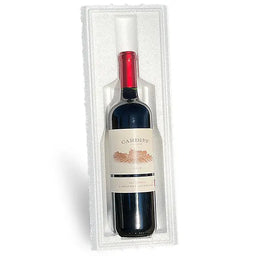
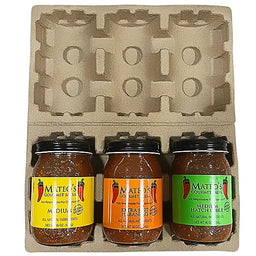
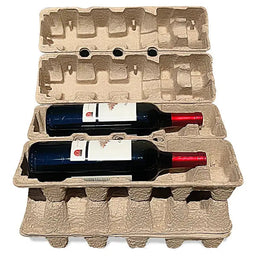
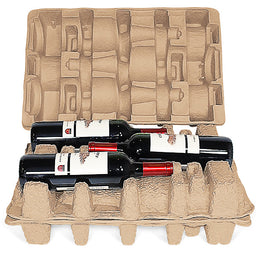
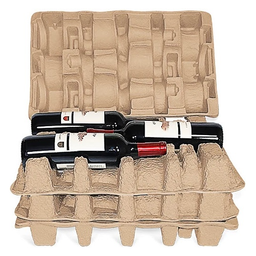
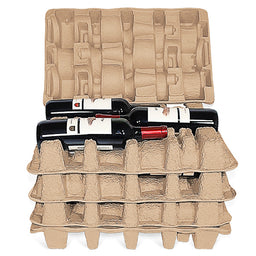
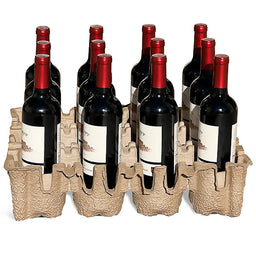
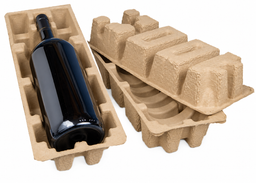
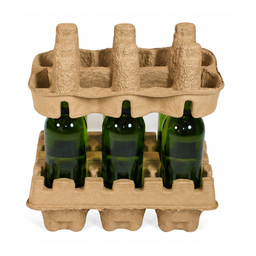
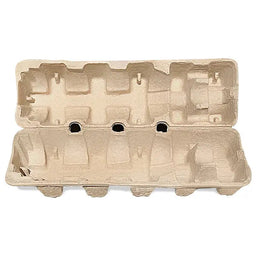
If your current packaging is causing breakage, you're paying for packaging that isn't doing its job — meaning you could likely switch to better packaging (like molded pulp) at similar or lower cost and actually reduce breakage.
Use this formula to estimate your annual breakage cost:
Most wineries are surprised by how quickly $7,500+ disappears into breakage — often more than their entire packaging budget.
Industry estimates for wine shipping breakage rates typically range from 1% to 4% of shipments, depending on packaging quality, carrier handling in your region, and shipment distance. Wineries using purpose-built wine packaging (like molded pulp wine shippers) consistently report breakage rates at the lower end of this range.
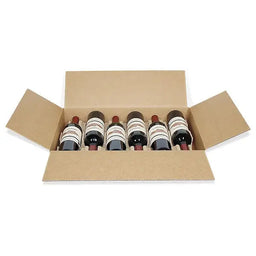
The single highest-leverage action most wineries can take is upgrading their inner packaging. Specifically:
If upgrading to better packaging costs you an extra $0.50 per shipment but reduces your breakage rate from 2% to 0.5%, on 5,000 shipments that's:
For most wineries, upgrading packaging pays for itself many times over.
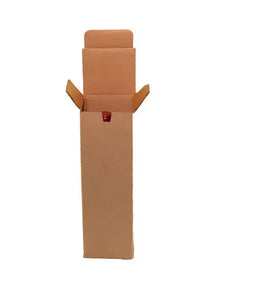
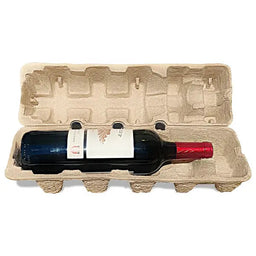
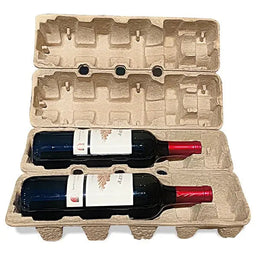
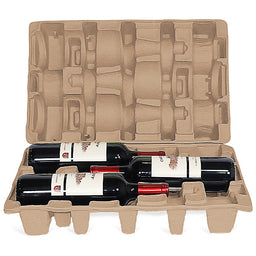
WineShippingBoxes.com offers molded pulp wine shippers engineered specifically to reduce breakage in UPS and FedEx shipping. Low minimums, lowest prices in the industry, and ships within 1-2 business days.