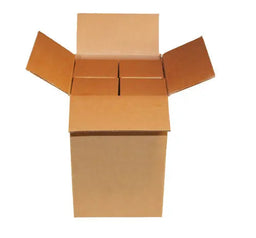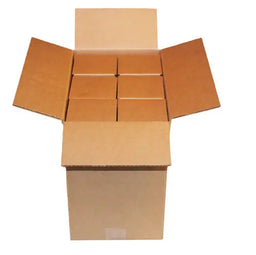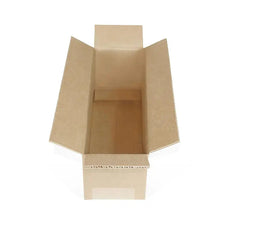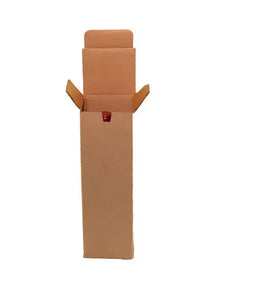


Wine bottles are high-risk items during transit. Because of this, major carriers have strict packaging requirements. If your packaging does not meet these standards, your shipment may be rejected.
So what exactly makes a wine shipping box “carrier approved”? It comes down to protection, structure, and secure packaging design.
Shipping carriers handle thousands of packages every day. Boxes move through conveyor belts, are stacked in trucks, and are transferred between facilities multiple times.
Wine bottles must survive the following:

A key requirement for carrier approval is a durable outer box.
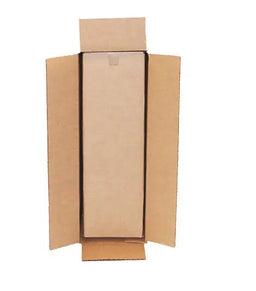
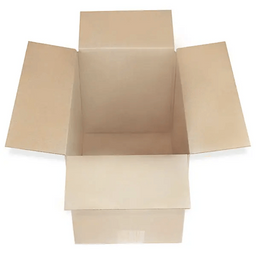
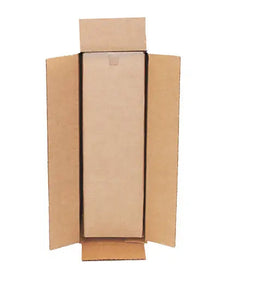
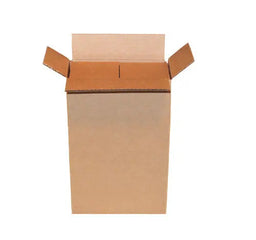
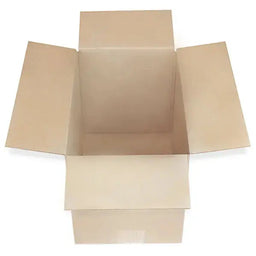
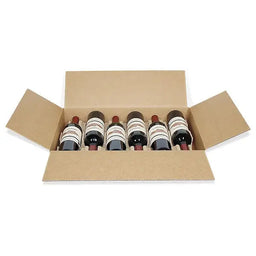
Wine shipping boxes are typically made from corrugated cardboard designed to handle weight and pressure. Since glass bottles are heavy, the box must maintain its shape even when stacked under other packages.
Weak or thin boxes can collapse, increasing the risk of damage. A strong outer structure ensures the package remains intact throughout its journey.
The most important feature of a carrier-approved wine shipping box is the internal packaging.
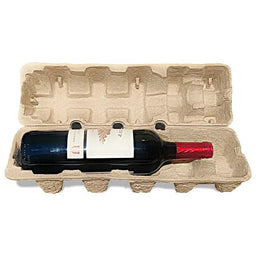
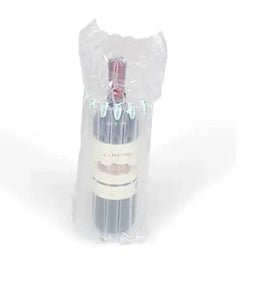
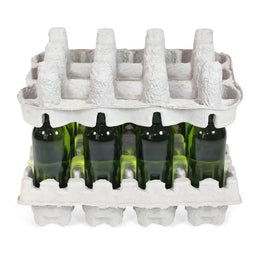
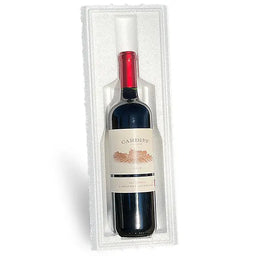
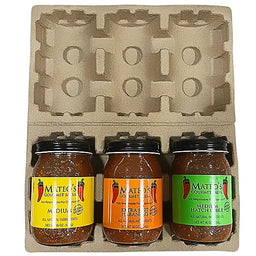
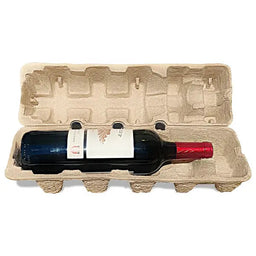
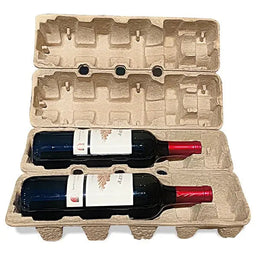
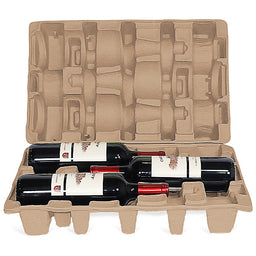
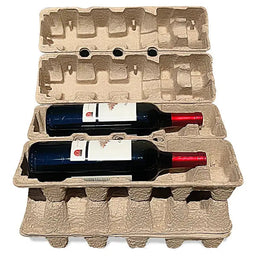
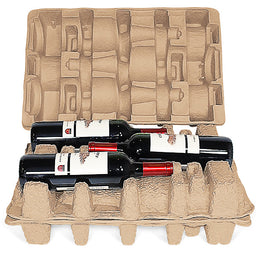
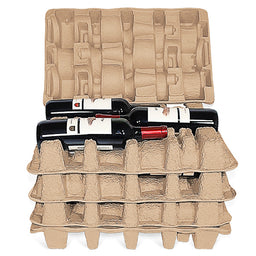
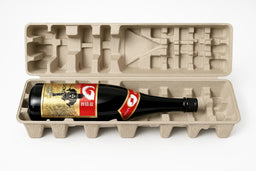
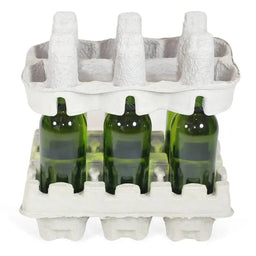
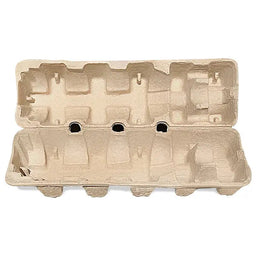
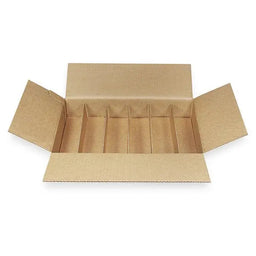
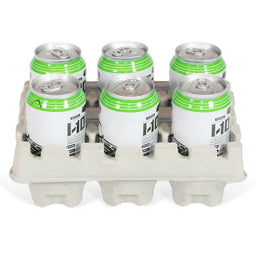
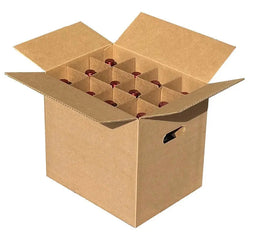
Carriers require bottles to be securely separated and cushioned. This is usually achieved with molded pulp inserts, foam inserts, or other structured packaging solutions.
Carrier-approved packaging ensures that bottles do not touch each other directly.
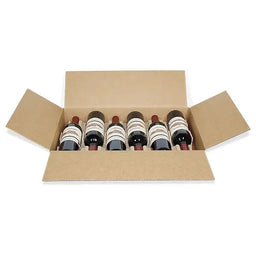
Each bottle should have its own compartment within the box. This separation reduces the risk of impact damage during handling.
For shipments containing multiple bottles, like two, four, or six bottle shippers, this feature is especially important.
Another important factor is containment. If a bottle breaks, the packaging should help contain the liquid as much as possible.
While no packaging can completely eliminate leaks, structured inserts and absorbent materials can reduce the spread of liquid inside the box.
A carrier-approved wine shipping box must match the size and shape of the bottles being shipped.
Oversized boxes allow movement, while undersized packaging may apply pressure to the bottles. Using packaging designed specifically for wine bottles ensures a snug fit that supports stability during transit.
Many wine shipping boxes are designed to meet drop and handling test standards. These tests simulate real-world shipping conditions, including impacts and stacking pressure.
Packaging that passes these tests is more likely to meet carrier expectations.
Proper packaging reduces the risk of:
It also ensures a better customer experience. When wine arrives intact, customers are more likely to trust your brand and order again.
A wine shipping box becomes “carrier approved” when it is designed to handle the realities of shipping.
By using packaging specifically designed for wine bottles, businesses can ship with confidence, knowing their products are prepared for the demands of transit.