

When a winery or retailer ships wine, the box doesn’t simply move from point A to point B. The journey is far more intense than we realize.
In just 48 hours, a wine box can travel hundreds of miles, pass through multiple warehouses, ride conveyor belts, and be stacked beneath dozens of other packages.
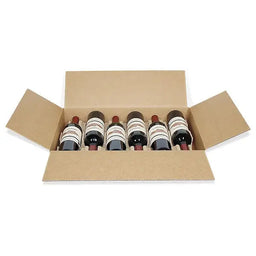
So understanding what happens during this journey will help us explain why strong wine shipping boxes are important for protecting your wine bottles.

The journey begins when the carrier collects the package from the winery, warehouse, or fulfillment center.
Once the wine box arrives at a sorting facility, it is placed on large conveyor systems where thousands of packages move quickly through automated scanners. Boxes are sorted by destination and redirected toward the correct transportation route.
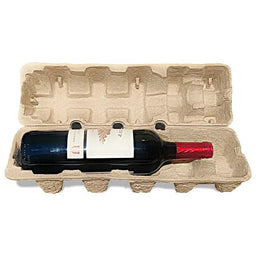
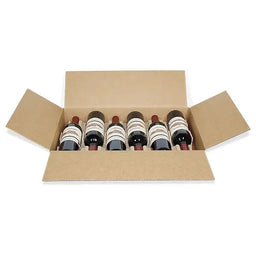
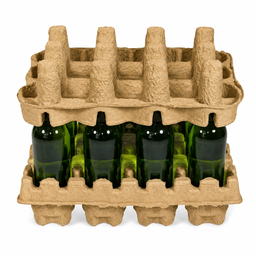
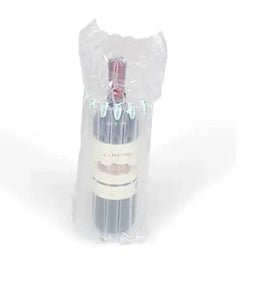
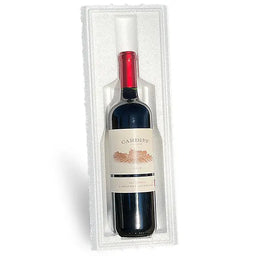
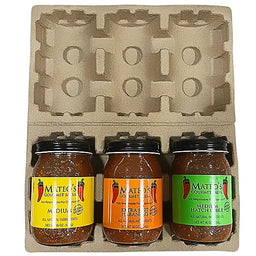
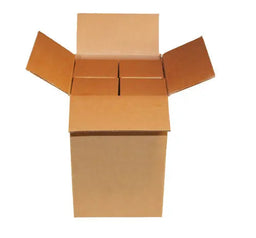
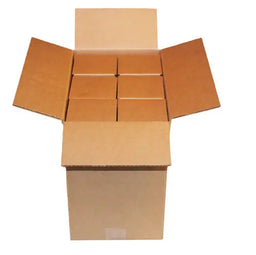
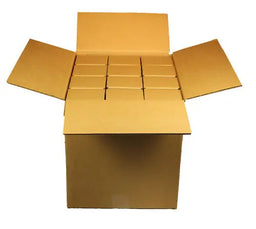
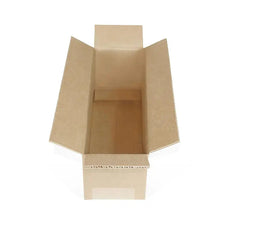
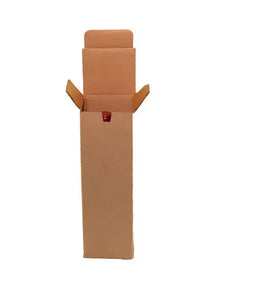
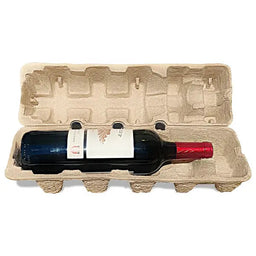
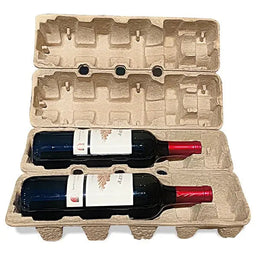
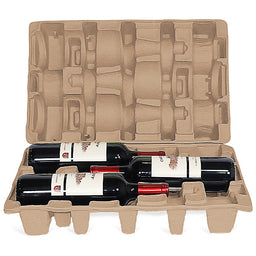
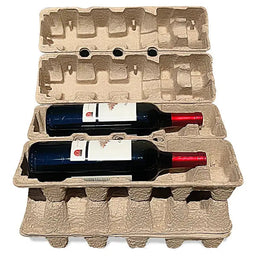
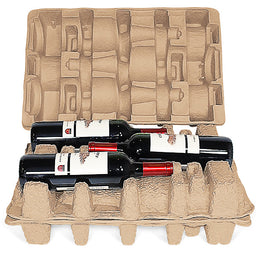
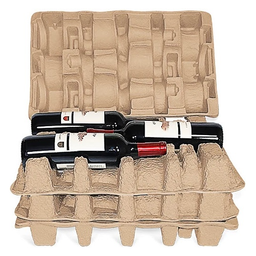
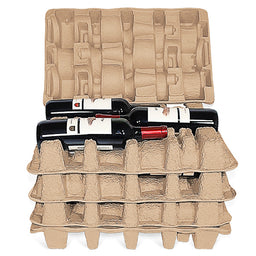
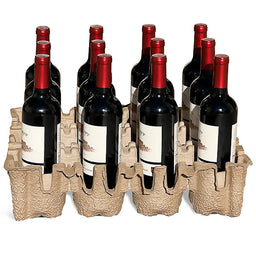
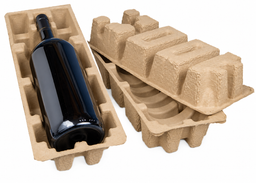
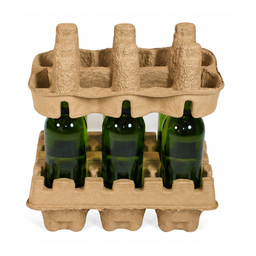
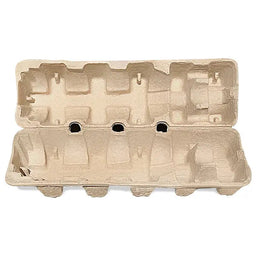
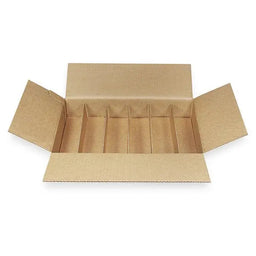
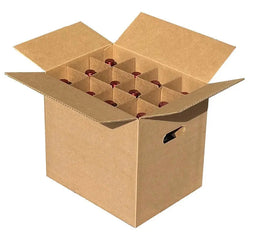
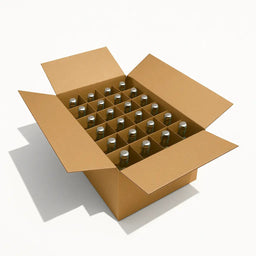
During this stage, protective inserts inside wine shipping boxes help prevent movement and keep bottles stable during this fast-paced sorting process.
After sorting, packages move through conveyor networks that transport them to loading areas. These systems are efficient but not always gentle.
Boxes frequently experience small drops when transferring between conveyor belts or when they are pushed into bins and rolling carts. Even a drop of a few inches can create impact forces strong enough to damage glass bottles if they are not protected.
Without proper internal support, bottles can crack or break during these routine handling moments.
Once sorted, packages are loaded onto trucks or cargo containers. This is where another challenge appears: stacking pressure.
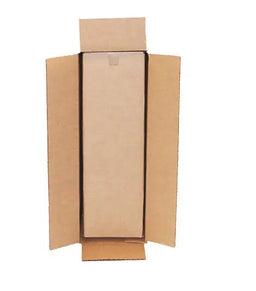
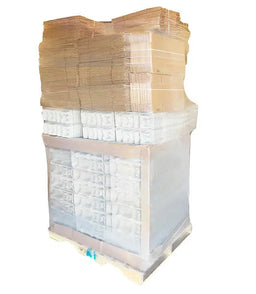
Shipping carriers maximize space by stacking boxes tightly together. A wine package may end up beneath several layers of other shipments, which means the box must support significant weight.
The next stage of the journey is transportation. Trucks, planes, and delivery vans carry packages across cities and regions.
During these long trips, constant vibrations occur as vehicles move across roads and highways. While these vibrations might seem minor, they can cause bottles to slowly move inside the box if they are not properly secured.
Over several hours of travel, this movement can lead to scratches, chipped glass, or breakage.
After arriving at a regional hub, the wine box goes through another round of sorting before heading out for final delivery.
Drivers load the packages into delivery vehicles and bring them to homes, businesses, or retail locations. At this stage, packages may be moved quickly and handled alongside many others.
A wine bottle’s 48-hour journey can include sorting systems, conveyor belts, drops, stacking pressure, and long-distance transportation. Without protective packaging, the chances of breakage increase significantly.
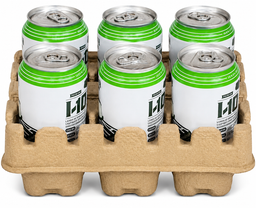
Wine shipping boxes designed with protective inserts help absorb impacts, prevent bottle movement, and maintain structural strength throughout the journey.