

Shipping wine across state lines is a complex endeavor, requiring an understanding of various legal frameworks. This blog post will guide you through the intricacies of compliance, helping wineries, breweries, and distilleries ensure their shipments are both legal and efficient. You'll learn about the different state regulations, licensing requirements, taxation, and strategies for crafting a seamless shipping process.
When shipping wine across state lines, it's crucial to understand that each state has its own set of regulations. The United States is composed of 50 states, each with its own laws regarding the sale and shipment of alcohol. For instance, states like California and Oregon are part of the 43 states that allow direct-to-consumer (DTC) wine shipments, while states such as Utah and Mississippi have much stricter regulations. Understanding these differences is fundamental to ensure compliance and avoid hefty fines or legal issues.
To legally ship wine to consumers in different states, wineries and other beverage businesses must obtain the appropriate licenses. The Direct Shipping License is a must-have for any winery looking to expand its market beyond its home state. However, each state has its own licensing process, fees, and renewal periods. For example, New York requires a $125 application fee for a Direct Shipper's License, while Virginia's fee is $95. Staying on top of these requirements is essential for maintaining uninterrupted shipping operations.
Taxation is another critical aspect of interstate wine shipping. Each state imposes different tax rates, and businesses must accurately report and remit these taxes to remain compliant. Some states, like Illinois, charge a flat rate of $1.39 per gallon, while others, like Alaska, can charge up to $2.50 per gallon. Failure to comply with state tax regulations can result in penalties or the revocation of shipping licenses. Accurate financial reporting and timely tax payments are integral to smooth operations.
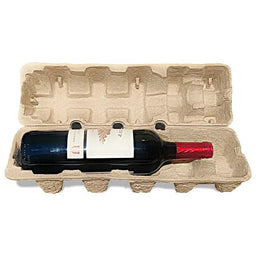
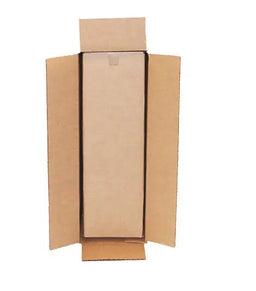
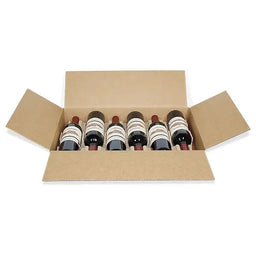
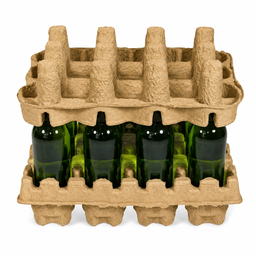
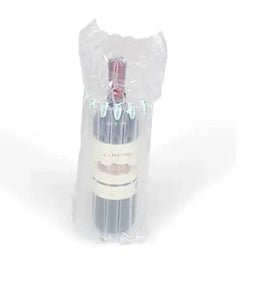
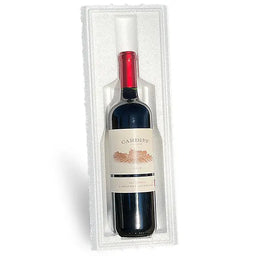
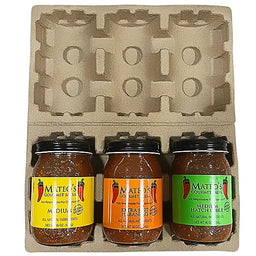
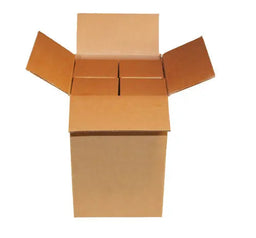
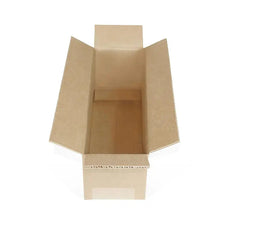
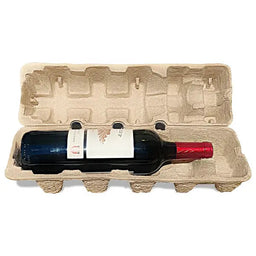
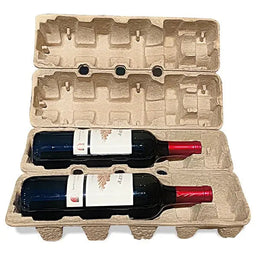
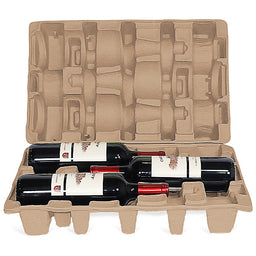
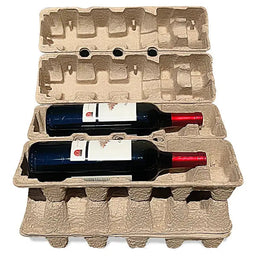
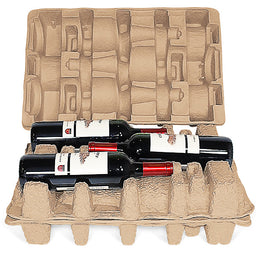
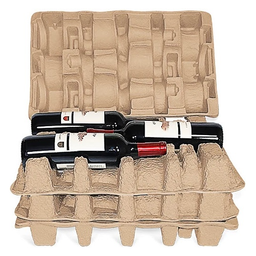
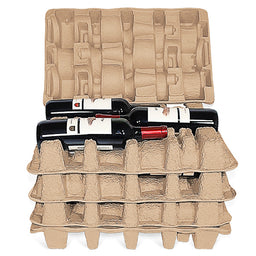
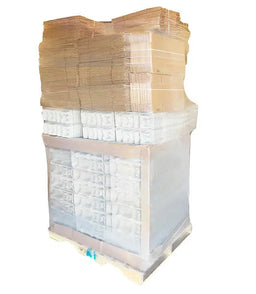
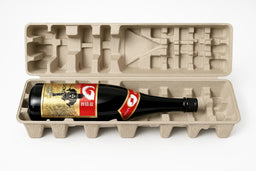
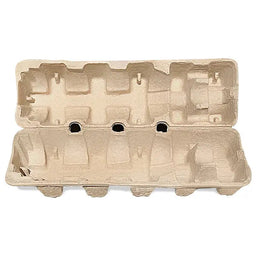
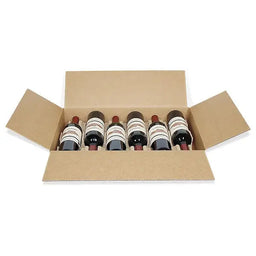
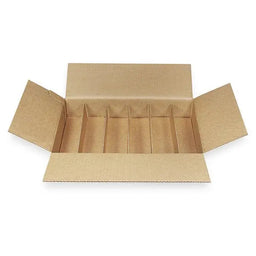
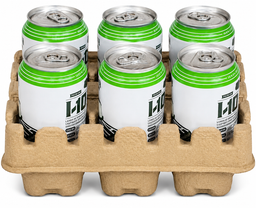
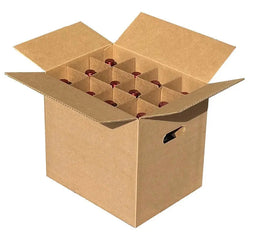
To navigate the complex web of interstate shipping laws, wineries and beverage businesses should develop a robust shipping process. This involves integrating systems for order management, compliance checks, and logistics. Utilizing technology can help streamline these processes, ensuring that each shipment adheres to state regulations. Additionally, choosing the right packaging is crucial to protect the wine during transit and comply with state-specific packaging laws. Consider exploring our molded pulp wine shipping boxes at WineShippingBoxes.com for reliable shipping solutions.
The regulatory landscape for shipping wine across state lines is ever-changing. Legislative changes can occur frequently, impacting the way businesses operate. Staying informed about these changes is vital for maintaining compliance. Joining industry associations, subscribing to trade publications, and attending relevant seminars can provide businesses with the latest updates on regulatory developments. This proactive approach ensures that your business adapts swiftly to any legislative shifts.
Clear communication with customers is essential, especially when it comes to shipping wine across state lines. Informing customers about potential delays due to compliance checks or state-specific restrictions can help manage expectations. Providing tracking information and estimated delivery times can enhance customer satisfaction. Transparent communication not only builds trust but also ensures customers are aware of any factors that might affect their order.
Shipping wine across state lines requires an intricate understanding of various compliance factors. By mastering state regulations, securing the necessary licenses, managing taxation, and keeping abreast of legislative changes, your business can thrive in the DTC market. For reliable and compliant shipping solutions, explore our collections at WineShippingBoxes.com.
Navigating the complexities of shipping wine across state lines can be daunting, but with the right knowledge and resources, it becomes manageable. By focusing on compliance, leveraging technology, and maintaining open communication with customers, wineries and beverage brands can expand their reach legally and efficiently. Consider visiting WineShippingBoxes.com to explore our range of protective packaging solutions that ensure your products reach customers safely and in compliance with state regulations.