

In the world of wine shipping, choosing the right packaging is crucial for ensuring that your product arrives safely and maintains its quality. As a winery, brewery, or distillery, your reputation hinges on delivering bottles intact. This guide examines two primary packaging contenders: molded pulp and corrugated. By the end of this article, you'll have a well-rounded understanding of which packaging solution might suit your business needs best.
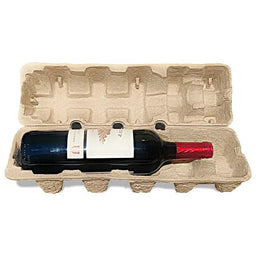
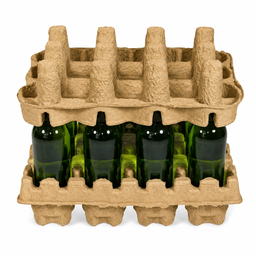
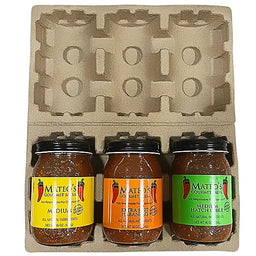
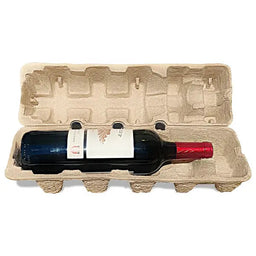
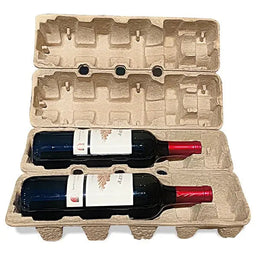
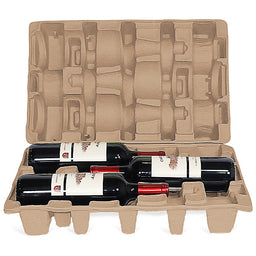
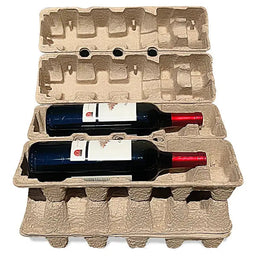
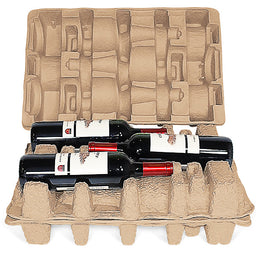
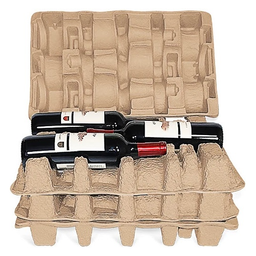
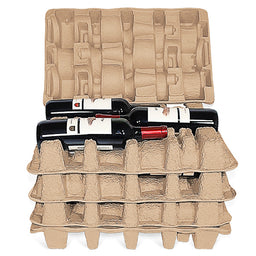
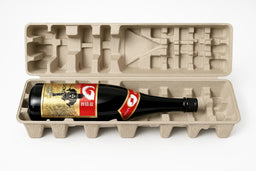
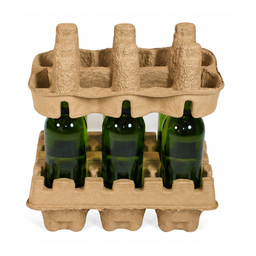
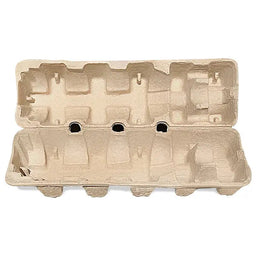
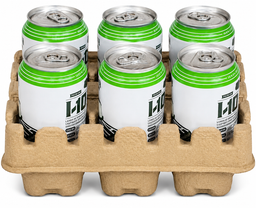
Molded pulp packaging is made from recycled paper products, such as newspapers and cardboard, which are pulped and moulded into a variety of shapes. One of the most significant advantages of molded pulp is its eco-friendliness. It is biodegradable and compostable, aligning with the growing consumer demand for sustainable packaging options. For wineries and distilleries focused on minimizing their environmental footprint, molded pulp offers an excellent balance between durability and sustainability.
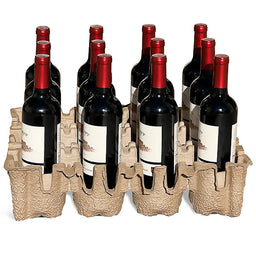
In terms of protection, molded pulp provides cushioning that absorbs shocks during transit. This packaging type is specifically designed to cradle wine bottles snugly, preventing movement and reducing the risk of breakage. Furthermore, molded pulp is capable of supporting a range of bottle sizes, making it highly versatile. On average, molded pulp wine shippers can accommodate 750ml standard bottles and are available in configurations that can hold anywhere from 2 to 12 bottles.
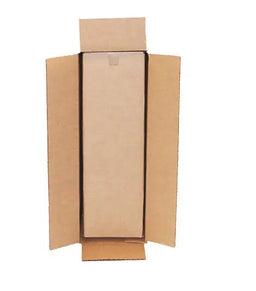
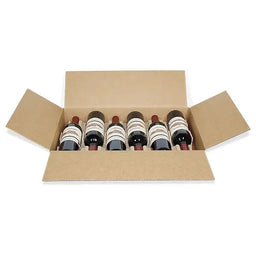
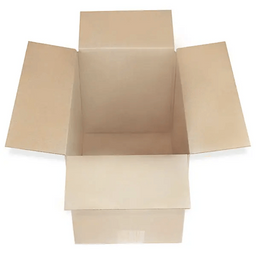
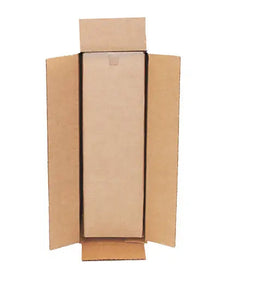
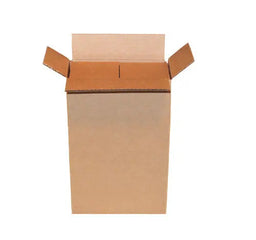
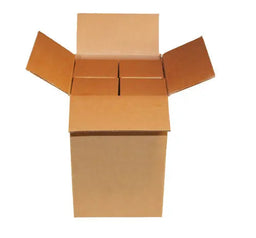
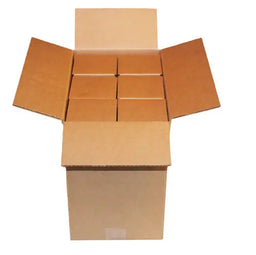
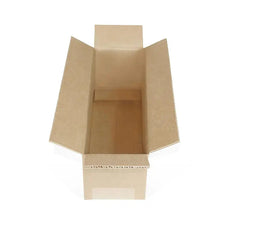
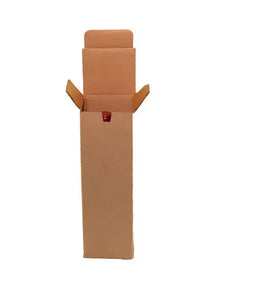
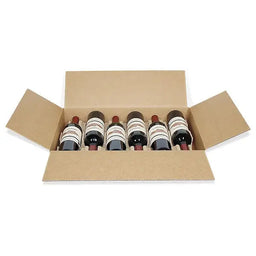
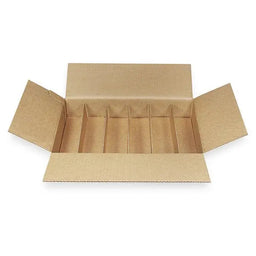
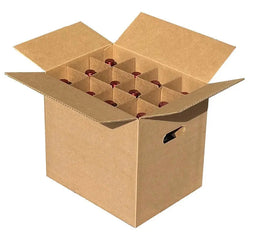
Corrugated packaging is a staple in the shipping industry, known for its strength and versatility. Constructed from multiple layers of paper, typically featuring a fluted corrugated layer sandwiched between two flat liners, this packaging offers robust protection for wine bottles. Its durability is tested and proven, with the ability to withstand considerable weight and pressure, making it ideal for stacking during transportation and storage.
However, corrugated packaging's environmental impact is less favorable compared to molded pulp. While it is recyclable, the production process for corrugated materials often involves significant energy consumption and less sustainable practices. Despite this, its cost-effectiveness and widespread availability make it a practical choice for many businesses. Corrugated boxes are available in a variety of sizes and can often be customized to meet specific shipping requirements.
When it comes to cost, both molded pulp and corrugated packaging have their distinct advantages. Molded pulp tends to be more expensive upfront due to the specialized processes involved in its production. However, its environmental benefits and protective qualities can provide long-term savings, especially for brands looking to align with sustainable practices and reduce carbon footprints. Additionally, molded pulp's lightweight nature can result in lower shipping costs.
On the other hand, corrugated packaging is generally cheaper to produce, which can be a compelling factor for businesses operating on tight budgets. While the initial cost may be lower, the potential for increased breakage and the environmental impact might offset these savings over time, especially as consumer preferences shift towards greener solutions.
Protection is paramount when shipping wine and spirits, and both molded pulp and corrugated have unique strengths. Molded pulp offers superior shock absorption due to its cushioning properties, which are particularly beneficial for fragile items like glass bottles. The structure of molded pulp allows it to distribute pressure evenly, reducing the likelihood of damage during transit.
Corrugated packaging, while also providing a high degree of protection, performs best with additional internal supports such as dividers or inserts. It can handle significant weight, which is advantageous when shipping larger quantities. However, without these supports, the risk of bottles clashing and breaking increases, which is something to consider when evaluating packaging options.
In today's market, sustainability is not just a trend but a necessity. Molded pulp packaging excels in this area, offering a fully biodegradable and compostable solution. This aligns well with the increasing consumer demand for environmentally friendly products and practices. By choosing molded pulp, companies can appeal to eco-conscious customers while contributing to waste reduction.
Corrugated packaging, although recyclable, does not decompose as readily as molded pulp. The production process for corrugated materials can also negatively impact environmental sustainability due to higher energy consumption. Brands prioritizing eco-friendly practices may find molded pulp a more attractive choice despite the potentially higher initial costs.
Ultimately, the choice between molded pulp and corrugated packaging will depend on your brand's specific needs and values. If sustainability and superior shock absorption are priorities, molded pulp may be the way to go. It is especially suitable for premium brands looking to enhance their eco-friendly image. For those focusing on cost-effectiveness and availability, corrugated packaging remains a reliable option.
It's essential to weigh the benefits and drawbacks of each type carefully. Consider your brand's mission, customer expectations, and shipping requirements to make an informed decision. If you're ready to explore options further, visit our molded pulp shippers collection for more information on sustainable packaging solutions.
In conclusion, both molded pulp and corrugated packaging have their place in the wine shipping industry. Choosing the right one for your brand involves balancing cost, protection, and environmental impact to align with your business goals.