

In the wine, spirits, and craft beverage industry, balancing the need for protective packaging with sustainability goals is a critical challenge. As businesses strive to reduce their environmental impact, they must also ensure that their products reach customers safely and intact. In this article, we'll explore strategies to minimize packaging waste without compromising on product protection.
Protective packaging is essential for shielding wine and spirits from physical damage during transit, maintaining the integrity and quality of the product. Wine bottles, often made of glass, are particularly susceptible to breakage. The primary goal of packaging is to ensure safe delivery, preventing costly replacements and preserving brand reputation. However, traditional materials like foam and plastic, although effective, are not always eco-friendly. The industry is moving towards finding a balance between protection and sustainability, which is crucial for both environmental and business success.
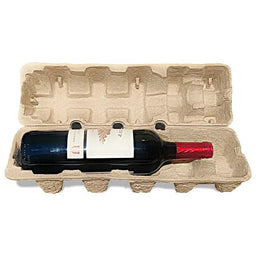
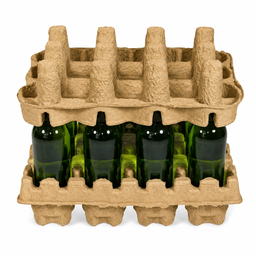
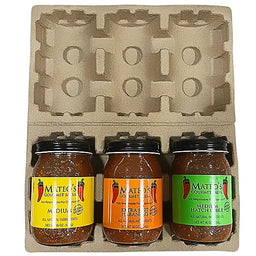
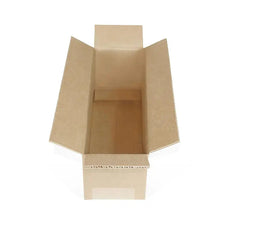
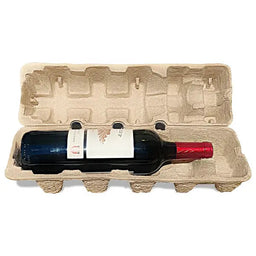
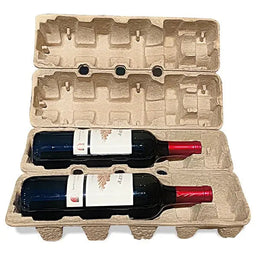
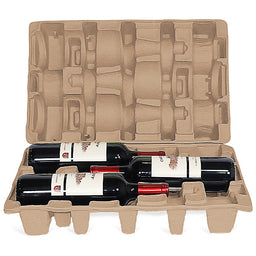
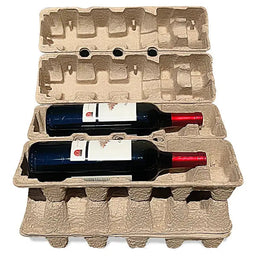
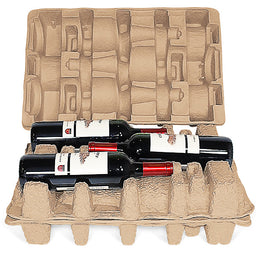
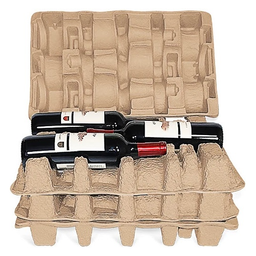
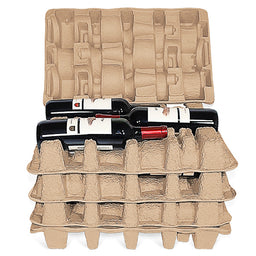
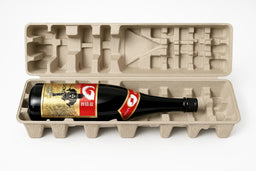
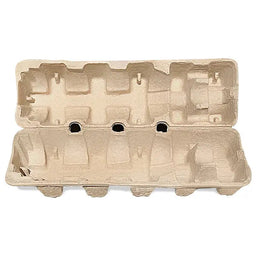
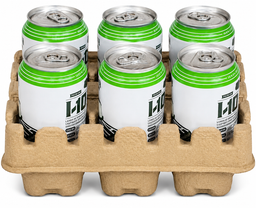
Sustainable packaging materials are at the forefront of reducing packaging waste. Materials such as molded pulp and recycled cardboard are increasingly popular as they offer a protective yet environmentally friendly alternative. Molded pulp, for instance, is made from recycled paper and cardboard, which are biodegradable and compostable. These materials not only protect the bottles during shipping but also significantly reduce the carbon footprint associated with packaging. By opting for sustainable materials, wineries and distilleries can contribute to a circular economy and appeal to eco-conscious consumers.
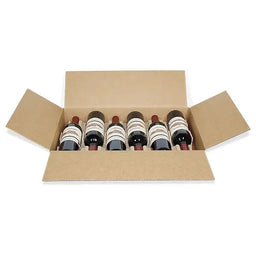
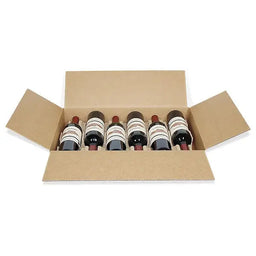
Optimizing packaging design is another effective strategy for reducing waste. This involves designing packaging that uses minimal material without compromising on protection. Techniques include adjusting the thickness of materials, using inserts efficiently, and developing multi-use packaging solutions. Innovative designs like pulp wine shippers and twelve-bottle shippers demonstrate how design can enhance protection while minimizing material use. These designs ensure that the product is securely held in place, reducing the risk of breakage and excess material usage.
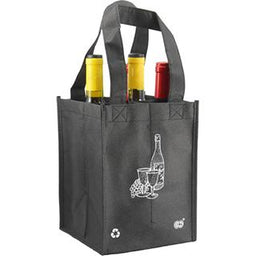
Reusable packaging is a promising approach to minimizing waste. By designing packaging that can be reused multiple times, businesses can significantly cut down on waste generation. This can be achieved by encouraging consumers to return packaging for reuse or by creating packaging that serves additional purposes after its initial use. For instance, wine carriers that double as storage solutions can extend the lifecycle of the packaging and offer added value to customers.
Technology plays a crucial role in optimizing packaging efficiency. Advanced logistics and tracking systems enable companies to better understand their packaging needs and reduce over-packaging. Additionally, smart packaging solutions, such as those incorporating RFID or QR codes, can help track the journey of packaging materials and ensure they are recycled or reused appropriately. By investing in technology, businesses can streamline their packaging processes, reduce waste, and improve sustainability metrics.
Consumer education is vital in reducing packaging waste. By informing customers about how to properly recycle or reuse packaging, businesses can significantly reduce the environmental impact of their products. Clear labeling, recycling instructions, and incentives for returning packaging can motivate consumers to participate in waste reduction efforts. Education not only helps in waste management but also strengthens the brand’s image as an environmentally responsible company.
Collaborating with suppliers who prioritize sustainability is key to reducing packaging waste. By choosing partners that offer eco-friendly materials and sustainable manufacturing processes, businesses can ensure that their entire supply chain aligns with their environmental goals. Partnerships with such suppliers often lead to innovative solutions and products that reduce waste while maintaining product safety and quality.
Reducing packaging waste while ensuring product protection is not only achievable but also essential for modern wineries, breweries, and distilleries. By adopting sustainable packaging materials, optimizing design, implementing reusable solutions, leveraging technology, educating consumers, and collaborating with eco-friendly suppliers, businesses can meet their sustainability goals without sacrificing the safety and integrity of their products. For those looking to explore sustainable packaging options, consider our extensive range of wine shipping boxes and other innovative solutions. Embrace the future of packaging with confidence and care.