If you ship wine direct-to-consumer in the United States, your carrier options are essentially UPS and FedEx. (USPS does not permit alcohol shipping.) Both are reliable major carriers with alcohol shipping programs, but there are meaningful differences that can affect your costs, delivery reliability, and customer experience.
The Basics: What Both Carriers Require
Before comparing the two, both UPS and FedEx require:
- A signed alcohol shipping agreement on your account
- "Contains Alcohol" labeling on every package
- Adult signature (21+) required at delivery
- Shipper must be a licensed alcohol producer or retailer
- Compliance with destination state laws
Neither carrier will ship wine to states that prohibit DTC wine delivery.
UPS Wine Shipping
Program: UPS requires an Alcohol Shipping Agreement, which you apply for through your UPS account representative or online.
Strengths:
- Strong residential delivery network nationwide
- Generally competitive ground rates for wine
- UPS Access Points — customers can pick up packages at convenient retail locations if delivery attempts fail
- Strong tracking and proactive delivery notifications
- Widely used in the wine industry — most wineries have existing UPS accounts
Considerations:
- Adult signature requirement means multiple delivery attempts if no one is home
- After multiple failed attempts, package is held at UPS facility for pickup
- Dimensional weight pricing applies to larger shipments
FedEx Wine Shipping
Program: FedEx requires an Alcohol Shipping Agreement and approval before you can ship alcohol on your account.
Strengths:
- FedEx Home Delivery specifically designed for residential deliveries — strong last-mile performance
- FedEx Delivery Manager lets recipients schedule delivery times — reduces failed delivery attempts
- Competitive on express shipping rates (2-day, overnight) for time-sensitive shipments
- FedEx Hold at Location — recipients can redirect to a FedEx location for pickup
Considerations:
- Adult signature still required — same challenge as UPS for residential deliveries
- FedEx ground rates competitive with UPS but vary by zone and volume
Rate Comparison
Ground shipping rates for wine are broadly comparable between UPS and FedEx at published rates. The real difference comes from:
-
Negotiated rates: Both carriers offer volume discounts. If you're shipping significant volume, negotiate rates directly. Many wineries achieve 20-40% off published rates.
-
Zone pricing: Both carriers use zone-based pricing. If most of your customers are close to your winery, your effective rates will be lower than average.
-
Dimensional weight: Both apply dimensional weight pricing. Well-designed wine shippers minimize wasted space and keep dimensional weight low.
Which Should You Choose?
Most established wineries use both carriers — UPS as primary and FedEx as backup, or vice versa. This provides flexibility to route shipments based on rates, zone performance, and service issues.
If you're just starting and need to pick one:
-
Choose UPS if you already have a business UPS account or if your volume broker recommends it for your shipping zones
-
Choose FedEx if FedEx Home Delivery has stronger coverage in your primary shipping markets, or if your customers tend to be in areas where FedEx performs better
The Packaging Is the Same Either Way
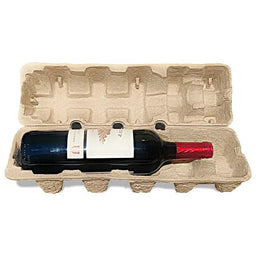
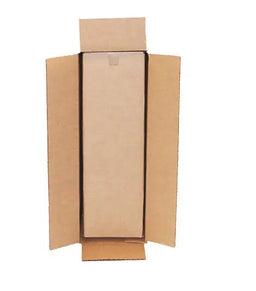
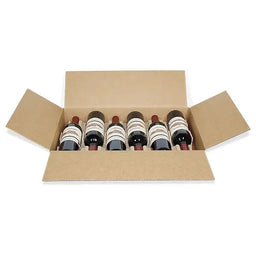
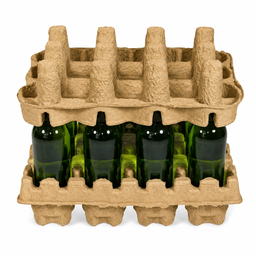
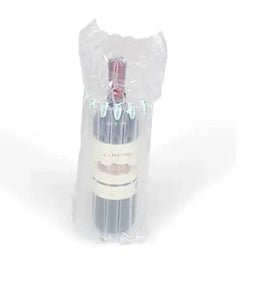
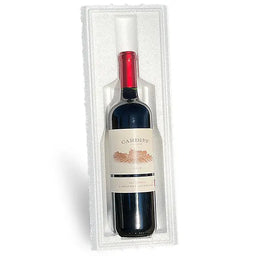
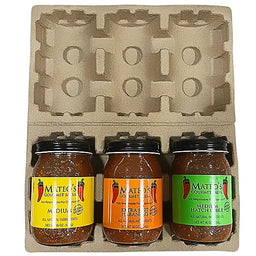
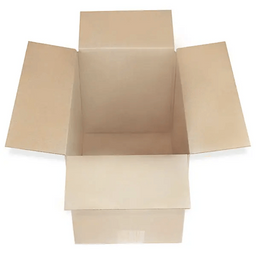
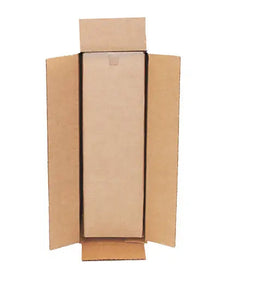
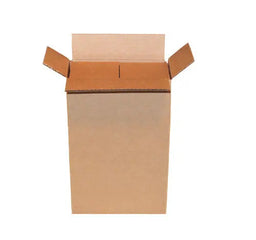
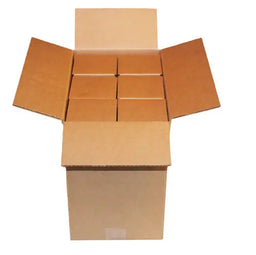
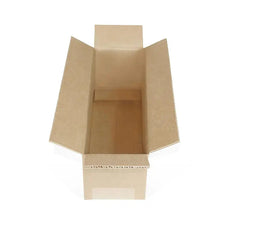
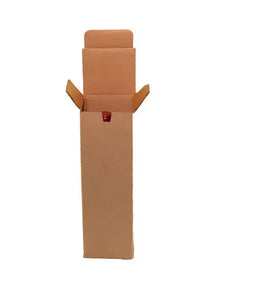
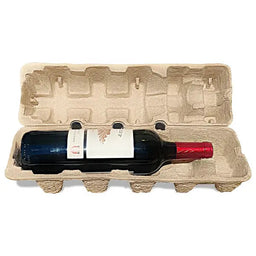
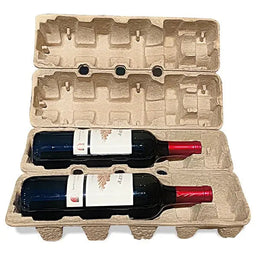
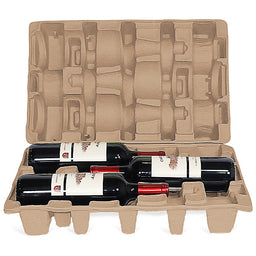
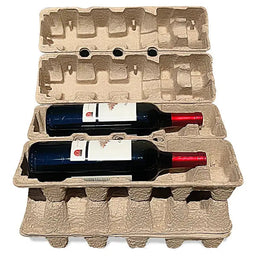
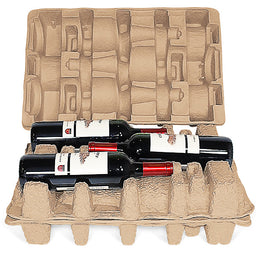
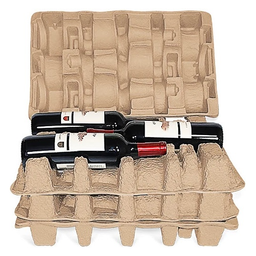
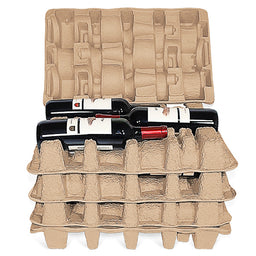
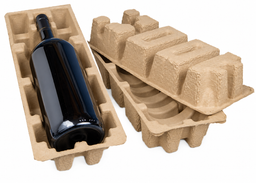
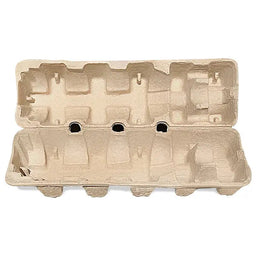
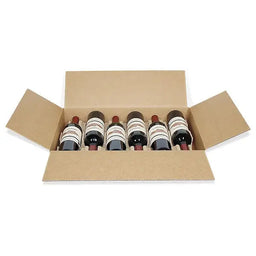
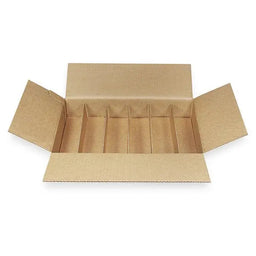
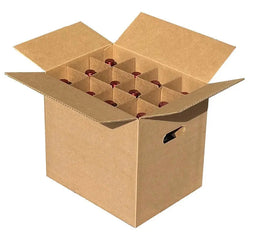
Regardless of which carrier you use, your packaging requirements are identical: purpose-built wine shippers that hold bottles completely immobile, with proper outer box construction and labeling. WineShippingBoxes.com's molded pulp wine shippers meet UPS and FedEx packaging standards for fragile items.
Shop Carrier-Approved Wine Shippers →