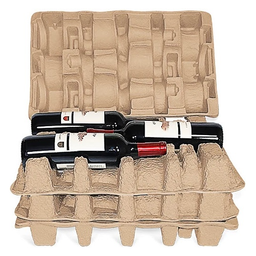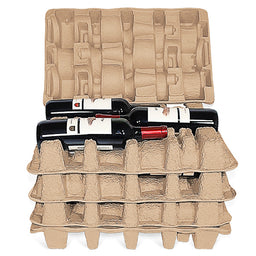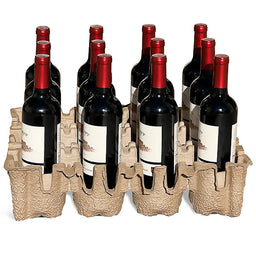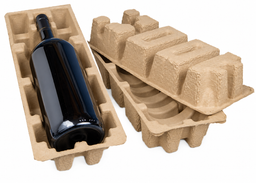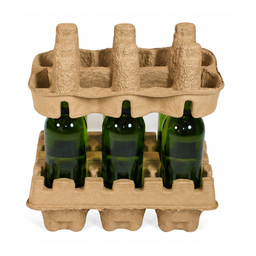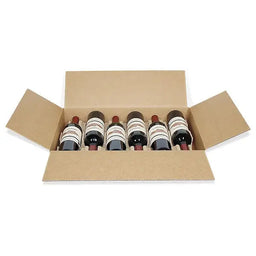
"Eco-friendly" is a marketing claim that gets attached to almost everything these days. So when packaging suppliers say molded pulp wine shippers are eco-friendly, it's worth asking: what does that actually mean, and what does the evidence say?
Here's an honest look at the environmental case for molded pulp versus styrofoam for wine shipping.
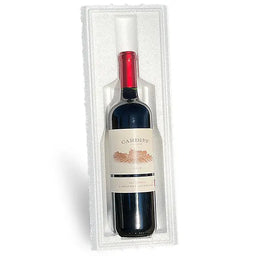
What Styrofoam (EPS) Actually Does to the Environment
Expanded polystyrene (EPS) — styrofoam — has a well-documented environmental profile:
-
Not accepted by most curbside recycling programs. Despite technically being recyclable, fewer than 10% of municipalities in the US accept EPS in curbside recycling. Most styrofoam goes to landfill.
-
Takes 500+ years to decompose. EPS does not biodegrade in any meaningful timeframe. It photodegrades into smaller and smaller pieces.
-
Generates microplastics. As EPS breaks down, it fragments into microplastic particles that contaminate soil and waterways. Styrofoam is a significant source of microplastic pollution in marine environments.
-
Petroleum-based. EPS is made from polystyrene, a petroleum-derived plastic. Its production involves fossil fuels and generates volatile organic compounds.
-
Regulatory pressure increasing. Multiple states (California, New York, Maryland, and others) have banned or restricted styrofoam food packaging. Wine packaging restrictions are following.
What Molded Pulp's Environmental Profile Actually Looks Like
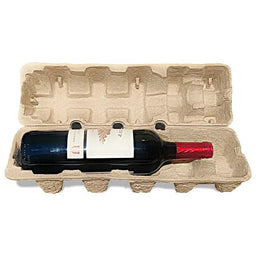
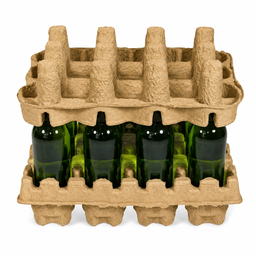
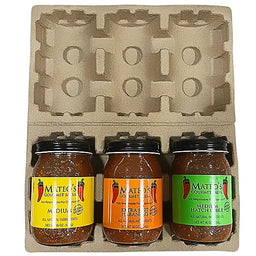
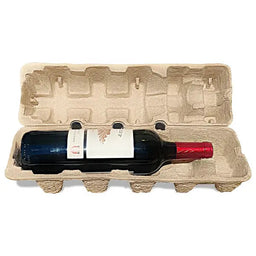
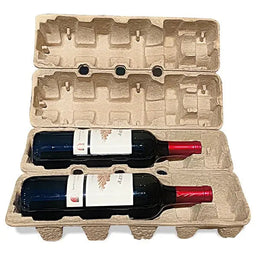
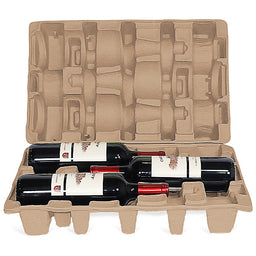
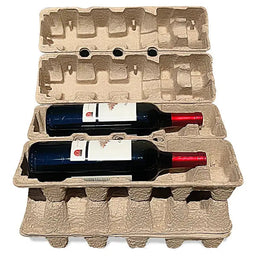
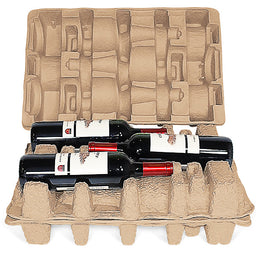
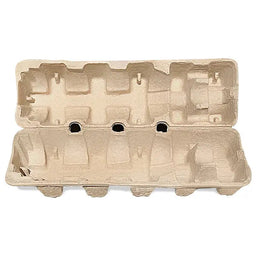
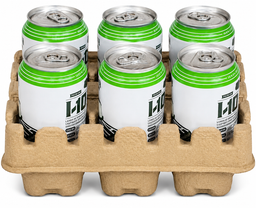
Molded pulp is made from recycled paper and cardboard pulp — the same material as egg cartons and paper plates. The environmental case is strong:
-
Made from recycled content. Most molded pulp is produced from post-consumer or post-industrial recycled paper fiber.
-
100% curbside recyclable. Accepted in virtually every municipal recycling program in the US — same as cardboard.
-
Biodegradable. Breaks down in months under normal conditions, not centuries.
-
Compostable. Can be composted in home or industrial composting systems.
-
Lower carbon footprint in production. Life cycle analyses generally show molded pulp has a lower carbon footprint than EPS per unit of packaging — though the exact numbers vary by study and production method.
The Honest Caveats
A balanced look at eco-friendly packaging claims requires acknowledging what molded pulp isn't:
-
Not zero-impact. Producing molded pulp requires water, energy, and pulping chemicals. It's better than EPS, not perfect.
-
Shipping weight matters. The transportation carbon footprint of packaging depends partly on weight — molded pulp is heavier than thin styrofoam sheets for comparable protection.
-
"Eco-friendly" needs context. The full life cycle — production, transportation, use, and end-of-life — matters more than any single attribute.
The honest conclusion: molded pulp is significantly better for the environment than styrofoam across most metrics that matter — end-of-life disposal, biodegradation, microplastic generation, and recyclability. It's not zero-impact, but it's a meaningful improvement.
Why It Matters for Your Winery's Brand
Beyond the environmental reality, wine consumers are paying attention. Survey data consistently shows that:
- Environmentally conscious consumers are more likely to become loyal wine club members
- Sustainable packaging is a meaningful differentiator for DTC wine brands
- Wine club members notice and appreciate eco-friendly packaging changes — and mention them in reviews
For wineries with sustainability commitments (organic, biodynamic, sustainable certifications), shipping wine in recyclable molded pulp is a natural extension of those values.
The Regulatory Trajectory
Styrofoam restrictions are expanding. California, New York, and a growing list of states have restricted or banned EPS food service packaging, with broader packaging restrictions likely. Getting ahead of the regulatory curve now avoids a forced transition later.
Make the Sustainable Switch
WineShippingBoxes.com's molded pulp wine shippers are 100% recyclable, made from recycled content, and priced to compete directly with styrofoam. Low minimums mean you can switch without a large upfront commitment.
Shop Eco-Friendly Wine Shippers →