Before you ship wine to a customer, you need to know whether it's legal in their state — and whether you're properly licensed to do it. Wine shipping laws vary significantly across the US, and shipping wine to a state where you're not licensed can result in serious legal and financial consequences.
Here's an overview of the DTC wine shipping landscape by state, along with what you need to do to ship legally.
The Three Categories of States
1. Open States (DTC Wine Shipping Permitted)
Most states now allow some form of direct-to-consumer wine shipping from licensed wineries. Major open states include:
-
California — home state for most wineries; permits DTC shipping with appropriate license
-
New York — permits winery DTC shipping with NY Farm Winery license or DTC permit
-
Texas — permits DTC wine shipping from licensed wineries
-
Florida — permits DTC wine shipping; significant wine consumer market
-
Washington — permits DTC wine shipping; major wine producing state
-
Oregon — permits DTC wine shipping with Oregon Direct Shipper license
-
Colorado, Virginia, North Carolina, Georgia, Illinois — all permit DTC wine shipping with appropriate licenses
As of 2026, approximately 47 states permit some form of DTC wine shipping, though requirements vary significantly.
2. Restricted States
Some states permit DTC wine shipping but with significant restrictions:
- Volume limits per household per month or year
- Only from wineries in states with reciprocal agreements
- Only from in-state wineries
- Limited to wine produced by the licensee
3. Prohibited States
A small number of states still prohibit DTC wine shipping entirely:
-
Utah — DTC wine shipping not permitted
-
Mississippi — DTC wine shipping not permitted
-
Alabama — DTC wine shipping not permitted
Laws change regularly — always verify current status before shipping to any state.
What You Need to Ship Wine Legally
State-by-State Licenses
Most states require shippers to obtain a specific DTC wine shipper permit for that state. This typically involves:
- Application to the state's alcohol control board
- Proof of your home state winery license
- Annual renewal and fees (typically $100-500/state/year)
- Monthly or quarterly reporting of shipments into the state
Carrier Alcohol Agreement
UPS and FedEx both require a signed alcohol shipping agreement on your account before you can ship wine. Apply through your account representative.
Compliance Platform
For wineries shipping to multiple states, a compliance platform like ShipCompliant automates license management, shipping validation (verifying each order is legal before it ships), and state reporting. It's almost essential once you're shipping to 5+ states.
Adult Signature Required
Every wine shipment must require adult (21+) signature at delivery — no exceptions. This is required by both carriers and most state laws.
Common Compliance Mistakes
-
Shipping before getting licensed: Don't ship to a state until you have the appropriate license in hand
-
Forgetting to renew licenses: DTC licenses typically renew annually. A lapsed license means you can't legally ship.
-
Missing state reports: Most states require monthly or quarterly reports of wine shipped into the state. Missing reports can result in license suspension.
-
Not tracking volume limits: States with per-household limits require you to track what you've shipped to each address
The Packaging Side Is Straightforward
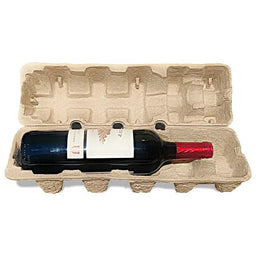
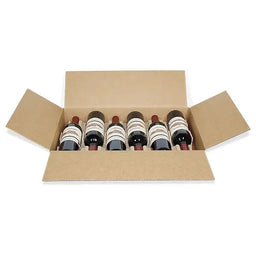
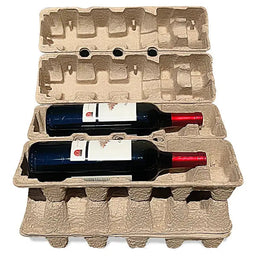
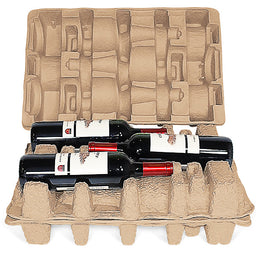
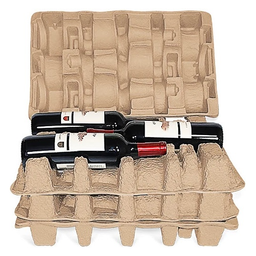
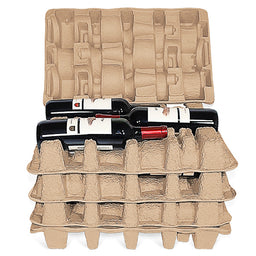
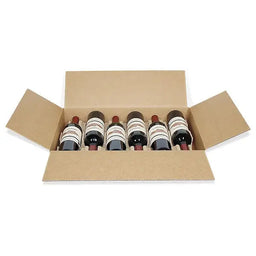
Once your compliance is sorted, the packaging side of wine shipping is the easy part — and WineShippingBoxes.com makes it even easier. We carry all the configurations you need, at the lowest prices in the industry, with fast shipping and low minimums.
Shop Wine Shippers →