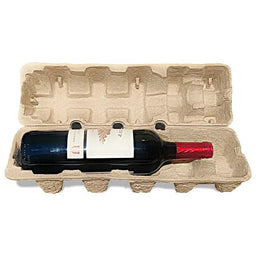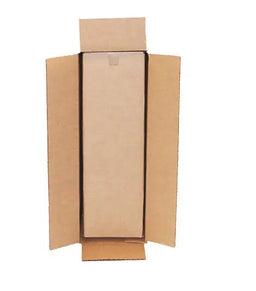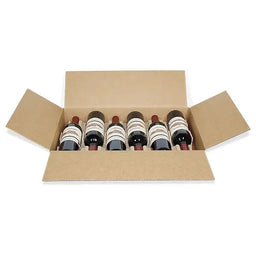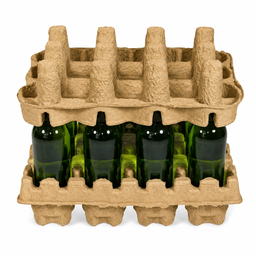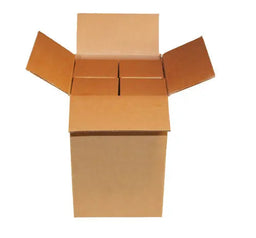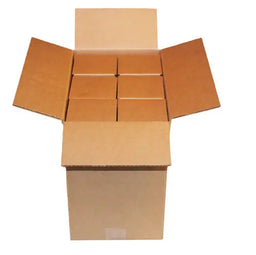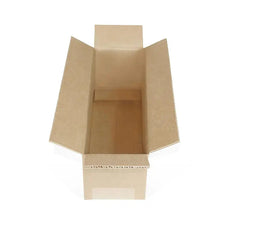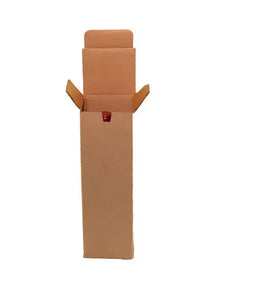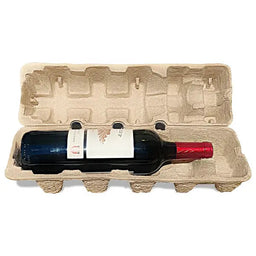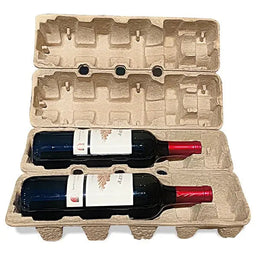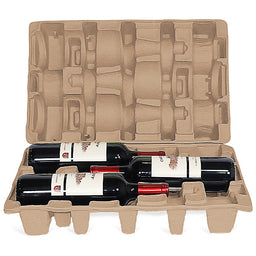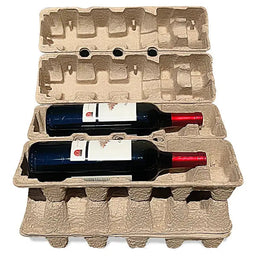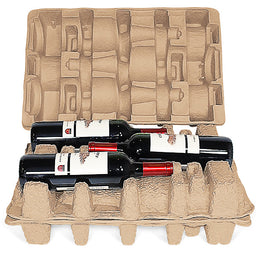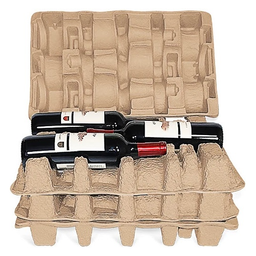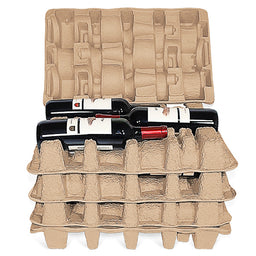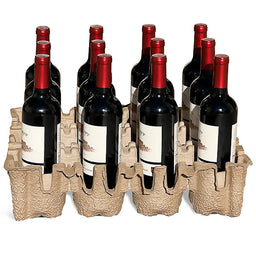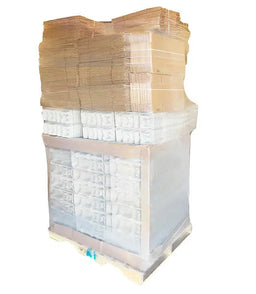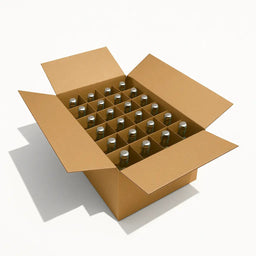


One of the most common complaints we hear from small and mid-size wineries is about packaging minimums. A supplier offers the perfect wine shipper, but requires a minimum order of 500 or 1,000 units — far more than a small winery needs or has space to store.
The result: wineries either buy more than they need (tying up cash and storage space), or they settle for whatever packaging they can get in smaller quantities — which often means inferior protection and a worse customer experience.
It doesn't have to be this way.
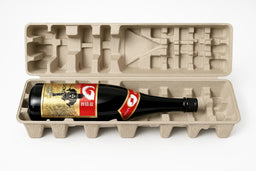
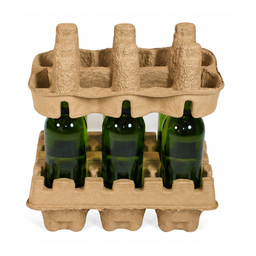
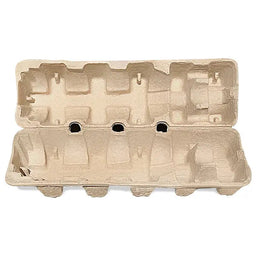
Traditional packaging suppliers set high minimums because their production processes are optimized for large runs. Manufacturing 10,000 units of a molded pulp insert is significantly more cost-efficient per unit than 200 units, and many suppliers simply pass that constraint on to customers.
But from a small winery's perspective, this creates real problems:
When you can order packaging in smaller quantities, your operation gains flexibility that has real value:
Instead of trying to predict 6 months of shipping volume and ordering everything upfront, you can order closer to when you need it. This means less capital tied up in inventory and less risk of over-ordering.
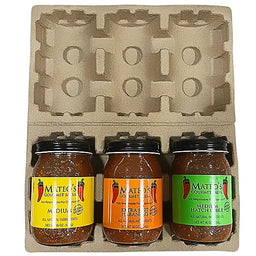
Considering a 3-bottle configuration for your holiday gifts? With low minimums, you can order a small quantity to test before committing to a larger purchase. With high-minimum suppliers, testing a new configuration is a significant financial commitment.
Most wineries have dramatically different shipping volumes by season. Low minimums let you stock up for harvest release and holiday season without being stuck with excess inventory in slower months.
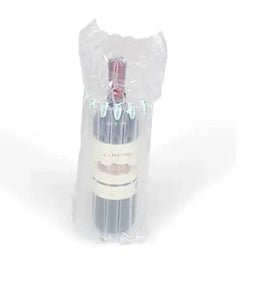
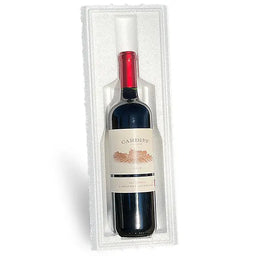
You might need 1-bottle, 3-bottle, and 6-bottle configurations to serve different customer needs. With high minimums, stocking all three configurations requires a significant investment. With low minimums, you can maintain smaller quantities of each.
When evaluating wine packaging suppliers, beyond price and quality, ask:
We specifically designed our operations to serve small, mid-size, and large wineries equally well. That means:
Whether you're shipping 50 orders a month or 5,000, you shouldn't have to over-order to get quality packaging.