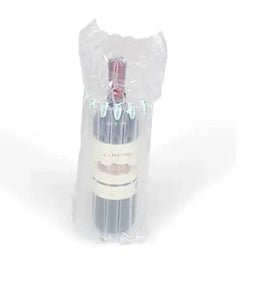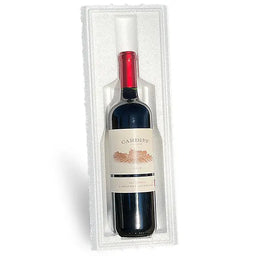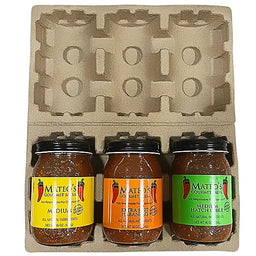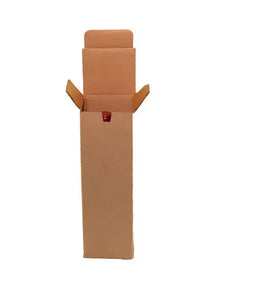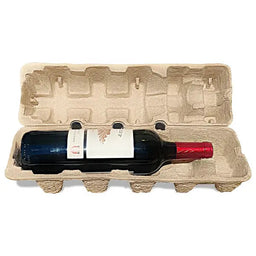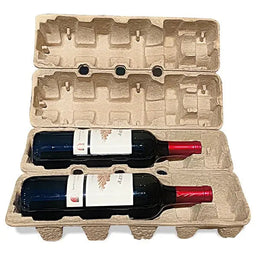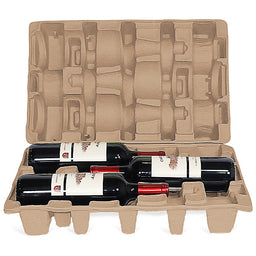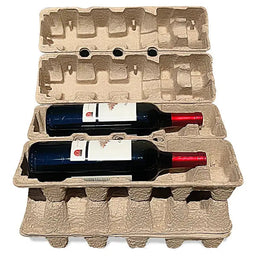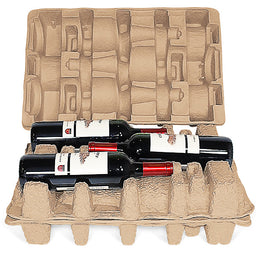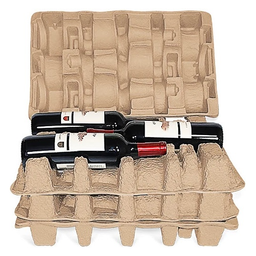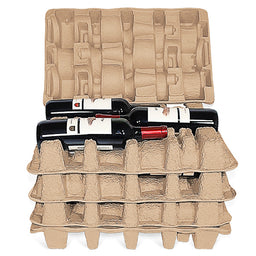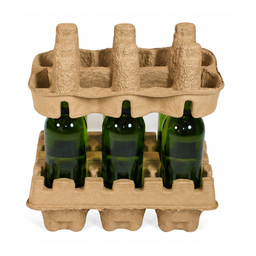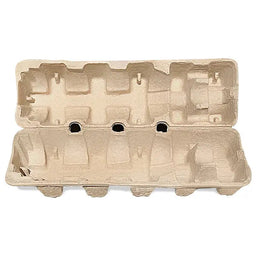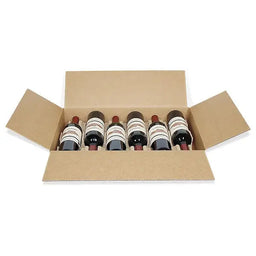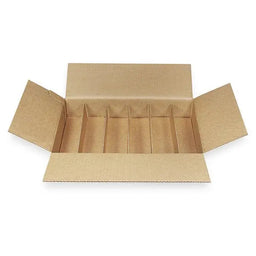
A 2% wine breakage rate sounds small until you do the math. On 500 shipments per month at an average order value of $120, that's 10 broken shipments, $1,200 in lost wine, plus reshipping costs, customer service time, and the real risk of losing the customer entirely. Breakage prevention isn't just quality control — it's direct margin protection.
The Root Causes of Wine Breakage
Most wine breakage in shipping comes from a few predictable sources:
-
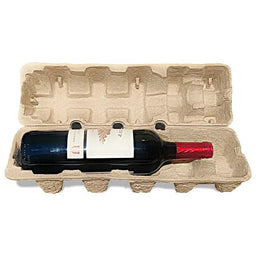
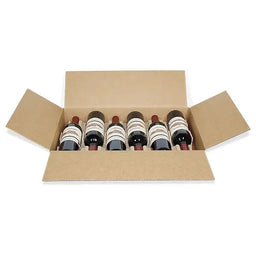
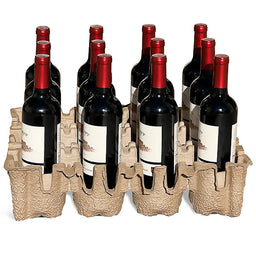
Wrong packaging for the bottle: Shippers sized for Bordeaux bottles used with wider Burgundy bottles; bottles that can shift and contact each other
-
Packing errors: Bottles not fully seated in the cradle, top cap not locked down, damaged or reused packaging that's lost structural integrity
-
Carrier handling: Drops and impacts during transit — unavoidable to some extent, but minimized by proper packaging
-
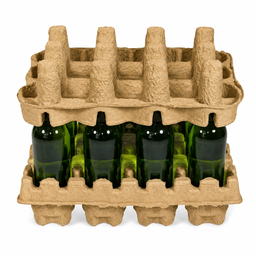
Packaging failure: Foam that's cracked or compressed; pulp that's been wet and lost strength; outer corrugated that's been damaged in storage
Step 1: Verify Packaging Compatibility
Before ordering packaging in quantity, verify that it actually fits your bottles. This means:
- Order samples first
- Test with your actual bottles — put them in, snap the cap on, shake the assembly
- There should be zero movement in any direction
- If the bottle is loose, the packaging is the wrong size for your bottles
Step 2: Train Your Packing Team
Most breakage happens at the pack station, not in transit. Create a written packing procedure with photos. Every team member who packs wine should be trained on:
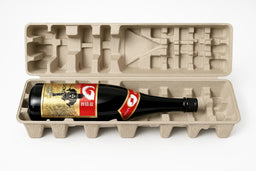
- How to fully seat each bottle in the cradle (you should feel/hear it click into place)
- How to properly engage the top cap
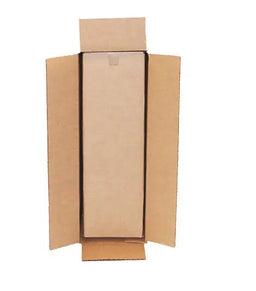
- How to close and seal the outer box correctly
- What to do with damaged or questionable packaging (answer: throw it away)
Step 3: Inspect Packaging at Receiving
Don't assume every case of wine shippers is perfect. Inspect a sample from each delivery. Look for:
- Crushed or deformed cradles
- Water damage (darkening, softening, odor)
- Cracked foam (if using foam inserts)
Step 4: Track Your Breakage Rate
If you're not tracking breakage, you can't improve it. Log every breakage claim — date, carrier, route, packing team member, packaging lot. Patterns will emerge that point to specific causes.
Step 5: Use Carrier-Tested Packaging
UPS and FedEx have performance standards for wine shippers. Packaging that meets these standards has been tested to survive the drop heights and compression forces their handling systems create. Use packaging from suppliers who test to these standards.
Get Packaging That Protects Every Bottle
WineShippingBoxes.com supplies wineries with molded pulp wine shippers tested and certified for UPS and FedEx ground shipping. Lowest prices, fast shipping, low minimums.
Shop Wine Shippers →