

Choose wine fulfillment services by first documenting your winery’s order volume, sales channels, seasonality, inventory, and delivery requirements, then compare winery-focused 3PLs with general providers against those needs. Verify wine storage and handling, packaging and carrier capacity, state shipping permissions, age-verification and delivery protocols, insurance and breakage policies, pricing, technology, and service-level commitments; monitor accuracy, damage, delivery, and cost over time.
Before you compare providers, document how your winery actually sells and ships wine. The strongest wine fulfillment services match your real order patterns, not a generic ecommerce profile, so a clear requirements brief is the foundation for every decision that follows.
Start with your numbers: orders per month, bottles per order, SKU count, and current inventory on hand. Wine orders are typically heavy and fragile, so average order size (for example, 2-bottle versus 12-bottle cases) affects packaging, freight cost, and labor.
For example, a winery shipping 400 club orders in two quarterly bursts needs surge labor and fast turnaround, while one with steady daily web orders benefits more from integrated inventory syncing. Write these patterns down so every prospective partner quotes against the same scenario.
A winery-focused 3PL is usually the safer choice if you ship direct to consumers, because alcohol compliance, climate-aware storage, and wine-specific packaging are core services rather than add-ons. A general fulfillment provider can work for low-risk products, but many cannot legally handle alcohol or lack the licensing to ship it.
| Factor | Winery-focused 3PL | General provider |
|---|---|---|
| Alcohol licensing | Typically built in | Often limited or absent |
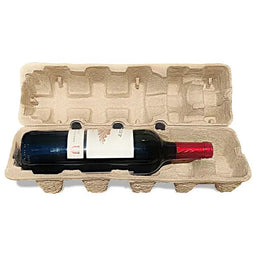
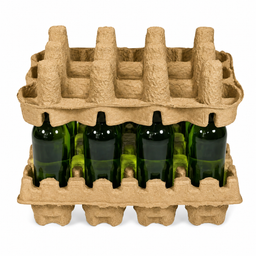
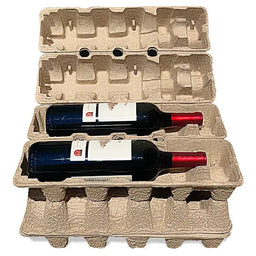
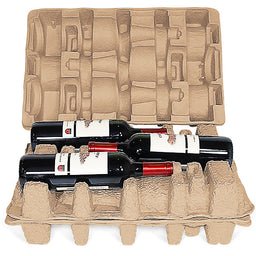
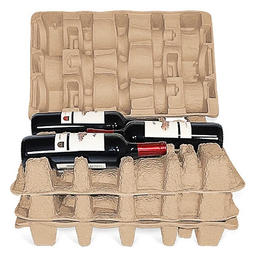
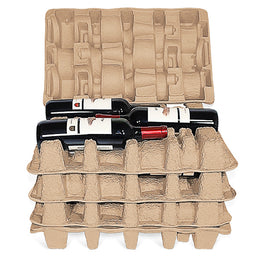
| Wine packaging | Molded pulp, tested shippers | Standard boxes, varies |
| Club and DTC tools | Common | Rarely specialized |
| Pricing | Higher per-order fees | Often lower base rates |
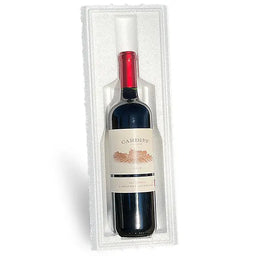
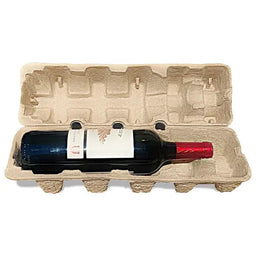
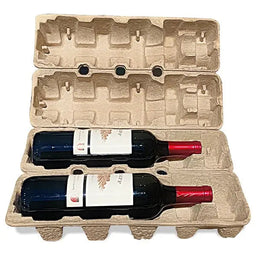
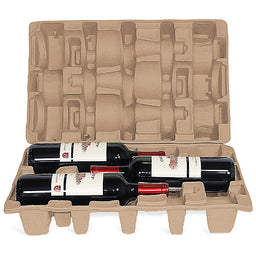
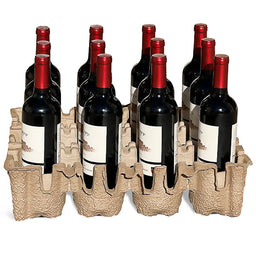
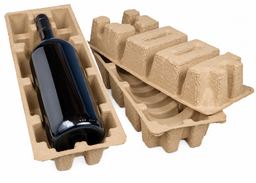
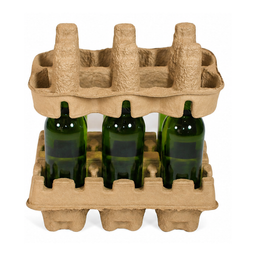
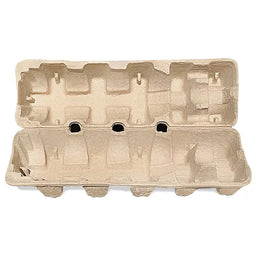
A general provider may suit a winery that also sells merchandise, food, or accessories in volume, provided it can show valid alcohol permissions. Whichever type you consider, ask what packaging it uses, since protective molded pulp shippers tested to standards such as ISTA 3A reduce breakage claims and replacement costs.
Once you know your volume, channels, and delivery needs, test whether a provider can protect wine from the moment it arrives at the warehouse until it reaches the customer's door. Strong wine fulfillment services combine controlled storage, accurate inventory tracking, and shipping methods built for fragile, temperature-sensitive glass.
The best wine storage is stable, cool, and dark. Ask whether the facility is climate-controlled or temperature-monitored, and what range it maintains. Wine is generally best held around 55–65°F, and sustained heat above 75°F can damage quality. Request temperature logs, ask how alerts are handled, and confirm that wine is stored away from direct sunlight and vibration.
Inventory controls matter just as much. Look for the following:
During a facility tour, watch how staff handle cartons, how cases are stacked, and whether pick areas are organized. A provider that already handles other wineries will usually have clear procedures for club releases, gift orders, and library inventory.
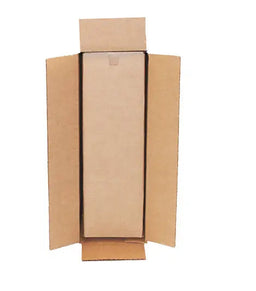
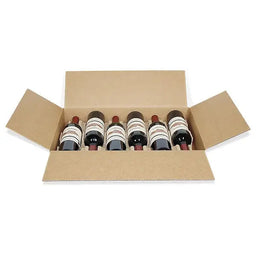
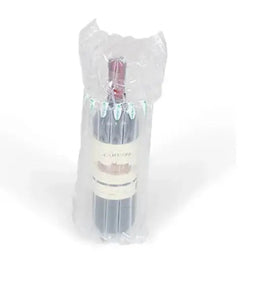
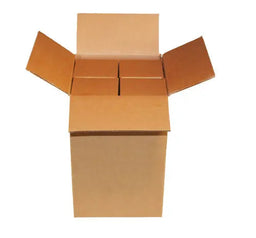
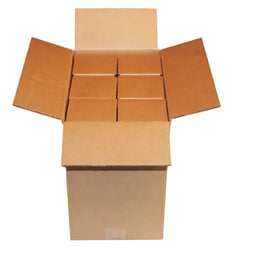
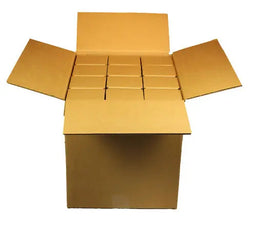
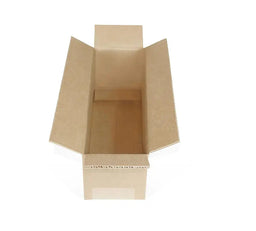
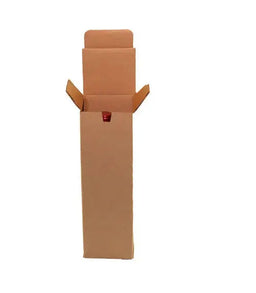
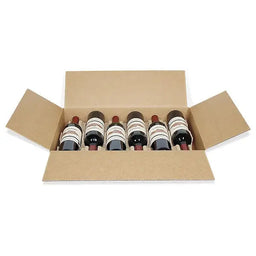
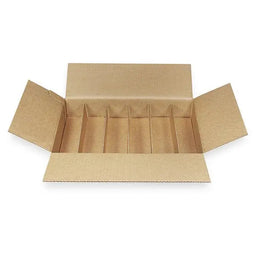
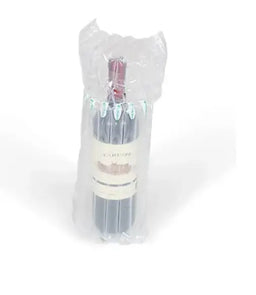
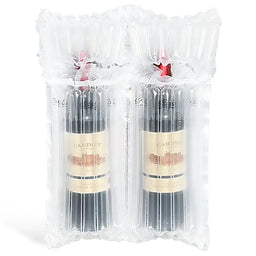
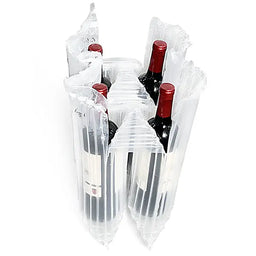
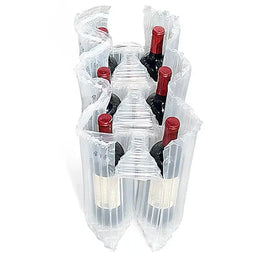
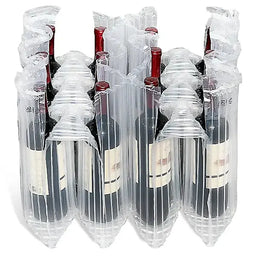
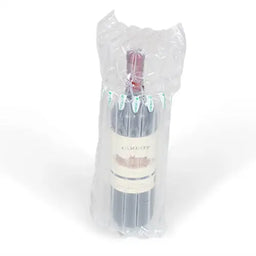
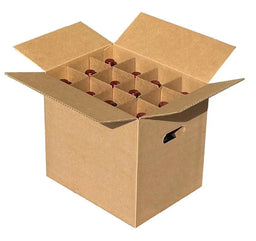
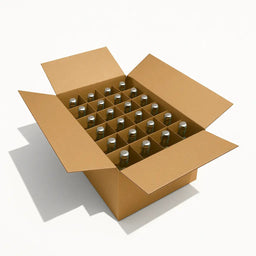
Breakage and delays are the most visible failures in wine shipping, so evaluate packaging first. Ask which shippers the 3PL uses, such as molded pulp inserts, corrugated boxes, or air-cushion packaging, and whether kits have passed recognized testing like ISTA 3A. If you want a specific look or protection level, confirm whether the 3PL will use your own supplies or stock the packaging you choose. Providers that work with WineShippingBoxes.com packaging, for example, can ship 1-, 2-, 3-, 6-, and 12-bottle configurations without compromising protection.
Then compare carrier flexibility and coverage:
Finally, press on peak-season capacity. Ask about their staffing plans for November and December, order cutoffs, and how many orders per day they can process without delays. Request last year's on-time shipping rate for the holiday period, and ask how club releases are scheduled so your allocation does not compete with other clients on the same day.
Even the best storage and packing setup fails if a 3PL cannot legally ship wine. Reliable wine fulfillment services hold the right federal and state permissions, document every shipment, and carry insurance that matches the value of your inventory.
Start by asking who holds the license. Some 3PLs operate under their own permits, while others fulfill under the winery's license, which leaves the winery carrying most of the compliance burden. Request copies of the 3PL's federal permits and state-level licenses, and confirm in writing which states it can ship to on your behalf. Direct-to-consumer rules vary widely: some states require annual permits, volume caps, or tax filings, and others prohibit shipping altogether.
Then examine how the provider handles the last mile. A compliant operation should be able to show:
Ask how the 3PL tracks changing state laws and who is responsible for tax reporting and remittance. If the answer is vague, treat it as a warning sign.
Ask for a certificate of insurance and check that the warehouse policy covers the replacement value of your wine, not just its cost basis. Confirm coverage for fire, theft, temperature failure, and liability, and find out whether you are named as an additional insured. Carrier liability alone rarely covers the full retail value of a case, so ask whether supplemental shipping insurance is available.
Next, read the breakage and claims policy closely. Key questions include:
Packaging quality directly affects claim rates. Providers that use tested protective shippers, such as molded pulp wine shippers that meet UPS ISTA 3A standards, typically see fewer breakage claims than those relying on improvised dunnage.
Finally, verify recordkeeping. Regulators can audit shipment records for years, so your 3PL should retain order details, delivery confirmations, signature records, and inventory movements, and be able to export them on request.
Once a provider clears compliance and insurance checks, the next step is comparing what wine fulfillment services actually cost and how well the provider's systems and promises support your growth. A low per-order rate means little if hidden fees, weak software, or vague service commitments erode your margins and customer experience.
The best way to compare quotes is to calculate the total cost per shipped order, not individual line-item rates. Ask every provider to price the same sample scenario, such as 500 orders per month, an average of three bottles per order, and 200 pallets' worth of seasonal inventory.
Request a full fee schedule covering these categories:
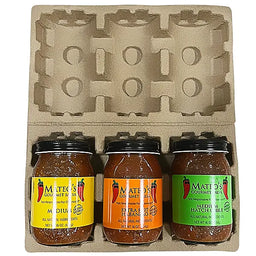
Packaging deserves special attention. Providers that mark up packaging heavily can quietly add several dollars per order. Some wineries negotiate to supply their own protective molded pulp shippers purchased in bulk, which can lower per-order costs and keep packaging consistent with the brand.
A strong 3PL gives you real-time inventory visibility, direct integrations with your sales platforms, and written service-level agreements (SLAs) with measurable targets. Without these, you will spend time chasing answers instead of selling wine.
During demos, confirm the following:
Then insist on numbers. Ask for written commitments such as same-day or 24-hour order processing, 99.5% or better inventory accuracy, and defined targets for breakage rates and claim resolution times. Also ask what remedies apply, such as fee credits, when the provider misses these targets.
Once you have pricing, technology, and service-level numbers in hand, the final step is a side-by-side evaluation. A weighted scorecard and a close read of the contract turn a promising sales pitch into a decision you can defend.
A scorecard works because it forces every provider of wine fulfillment services to be judged against the same criteria. Score each category from 1 to 5, then weight the categories by what matters most to your winery. A club-driven winery might weight peak capacity and compliance heavily, while a retail-focused one might weight carrier options and cost.
| Category | What to verify | Suggested weight |
|---|---|---|
| Wine experience | Years handling DTC wine clients | 20% |
| References | Two to three similar-sized wineries | 15% |
| Coverage | Licensed states, carrier transit times | 20% |
| Capacity | Peak-season throughput, staffing plan | 20% |
| Cost and terms | Total cost, contract flexibility | 25% |
When you call references, ask specific questions. How did the provider perform during the last holiday or club-release surge? How quickly are breakage claims resolved? Have there been compliance issues or missed shipments? If possible, request a facility tour or video walkthrough to see temperature control, pick-and-pack stations, and packaging stock firsthand.
Before signing, ask for the full agreement and rate card, not just a summary proposal. Contracts for wine fulfillment services often include minimum monthly fees, auto-renewals, and annual rate increases that never appear in the initial quote.
Review these items carefully:
Ask each candidate for performance evidence from the past 12 months, such as on-time shipment rates, inventory accuracy, and breakage percentages. Providers who track these metrics will share them readily.
Treat the exit clause as seriously as the onboarding plan. A fair contract spells out how and when your inventory is returned, what fees apply, and how your customer and order data is exported.
Clear exit provisions protect your cash flow and your customer relationships if service slips. A provider confident in its performance will rarely resist reasonable termination language.
A successful move to a new fulfillment partner follows a written, dated plan that covers inventory transfer, system connections, test orders, and customer messaging. Once the contract is signed, schedule the switch outside your busiest shipping windows, such as the holidays or a major club release.
Build the plan around four workstreams:
Keep your old provider active for a short overlap period. This gives you a fallback if early orders reveal integration gaps, and it keeps wine fulfillment services running without interruption while the new partner stabilizes. Confirm which packaging the 3PL will use, since a poor bottle fit is a common source of early breakage. Many wineries supply their own protective shippers, such as molded pulp wine boxes, so test those sizes during the pilot phase.
Review a consistent set of metrics with your 3PL every month, and move to weekly check-ins during the first 60 to 90 days after launch. Measuring against the service levels in your contract keeps the relationship objective and exposes problems before customers complain.
| Metric | What to Measure | Review Cadence |
|---|---|---|
| Delivery | Ship time, on-time rate, late deliveries | Weekly, then monthly |
| Accuracy | Pick, pack, and inventory accuracy | Monthly |
| Damage | Breakage rate, claims filed and resolved | Monthly |
| Cost | Cost per order, surcharges, storage | Monthly |
Look for patterns rather than single incidents. A rising breakage rate in one region may point to a carrier issue or a packaging problem, while repeated pick errors often signal training or inventory-location gaps. Compare invoices against your rate card each month to catch unexpected fees early.
Hold a quarterly business review to discuss forecasts, upcoming releases, seasonal capacity, and corrective actions. Documenting each action item with an owner and a deadline helps ensure issues are resolved and not simply discussed.
Look for a provider that combines wine-specific handling, verified compliance, and transparent performance reporting. The essentials include temperature-aware storage, lot-level inventory tracking, packaging that passes transit testing, licensed alcohol shipping, and carrier options that cover your key states.
Ask to see how bottles are packed. Molded pulp shippers and corrugated wine boxes that meet UPS ISTA 3A standards reduce breakage, and a good partner will explain which formats it uses for 1-, 3-, 6-, and 12-bottle orders. Also confirm that it can handle peak periods such as holiday and wine club releases.
Costs vary by volume, order profile, and service level, but most wineries pay a combination of fees rather than a single rate. Expect charges for receiving, pallet or case storage, pick-and-pack, packaging materials, shipping, and any special services such as adult signature handling or gift notes.
Request quotes based on the same sample orders, such as a 3-bottle and a 12-bottle shipment to three states, so you can compare total cost per order rather than headline rates.
Yes, but only if the 3PL and your winery hold the required licenses and permits for each destination state. Direct-to-consumer wine shipping laws differ widely. Some states require a winery shipping permit, others limit annual volume, and a few prohibit it entirely.
Confirm which states the 3PL can legally serve on your behalf, how it verifies customer age, and whether carriers are delivering with adult signature. Ask who handles tax reporting and shipment records, since you generally remain responsible for compliance even when fulfillment is outsourced.
Run the old and new providers in parallel for a short period, then move inventory in stages. Begin by transferring a portion of stock and connecting your ecommerce and club systems to the new 3PL. Next, test sample orders for accuracy, packaging, labels, and delivery times before redirecting live traffic.
Keep enough inventory with the current partner to cover orders during the handoff, and review your contract for notice periods and inventory release terms. Tell customers about any changes to tracking emails or delivery timing, and monitor damage, accuracy, and on-time rates closely for the first few weeks.