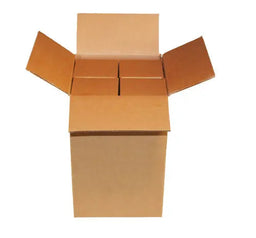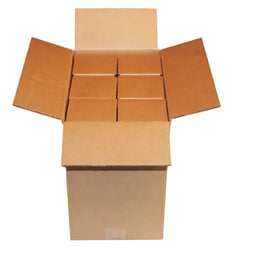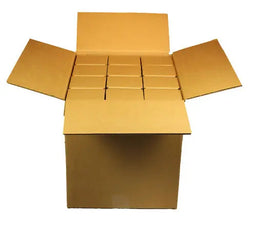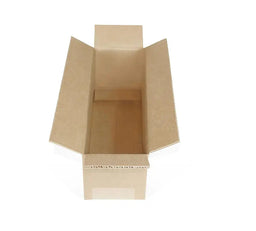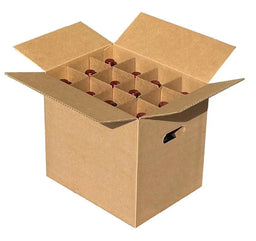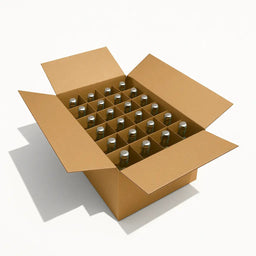


So you're running a winery, wine club, or retail operation, and you need to get your precious bottles safely into the hands of your customers. That's where wine shipping boxes come in. But here's the thing – not all wine shippers are created equal, and picking the wrong one can mean broken bottles, unhappy customers, and a hit to your bottom line. Let's talk about how to choose the right wine shipping solution for your business.
Before you start comparing options, you need to understand what you're actually shipping. Are you sending a single bottle to a local customer? A case of wine across the country? Multiple bottles in a mixed assortment? The volume and frequency of your shipments will significantly impact which wine shipping boxes make the most sense for your operation.
Think about your typical order size. If you're mostly shipping individual bottles, you'll want something different than if you're regularly sending cases. Also consider your shipping destinations. Are you shipping locally, nationally, or internationally? Different carriers have different requirements, and your wine shippers need to comply with these standards to ensure your packages arrive safely and legally.
When you start looking at wine shipping boxes, you'll encounter several main categories. Understanding the differences between them is crucial for making an informed decision.
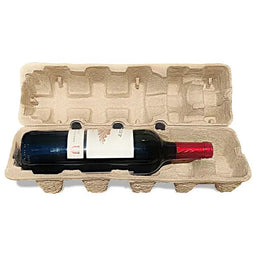
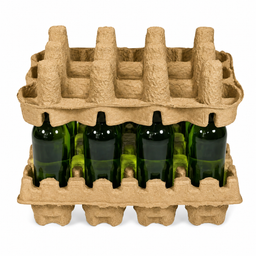
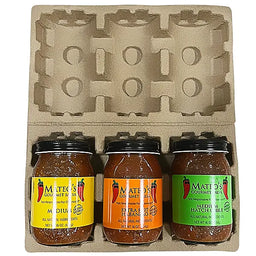
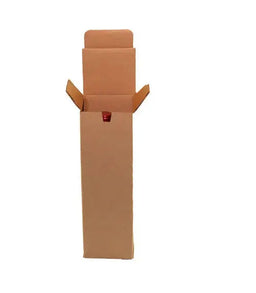
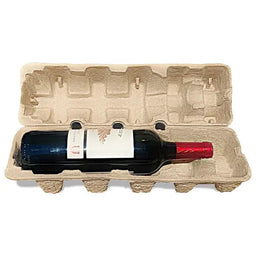
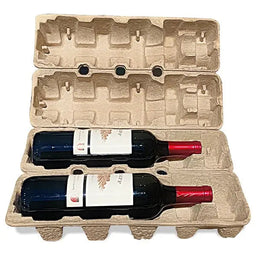
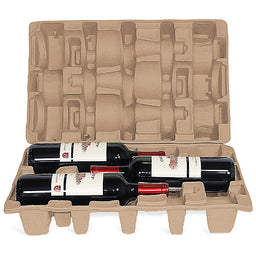
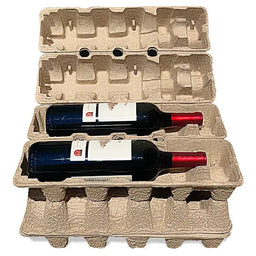
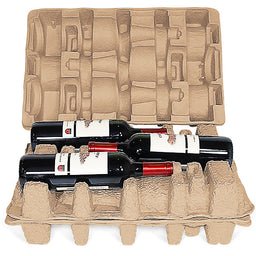
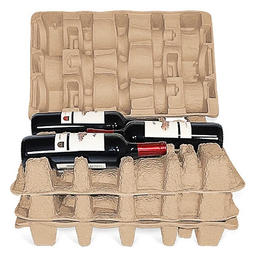
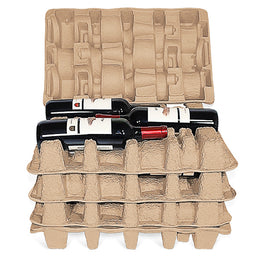
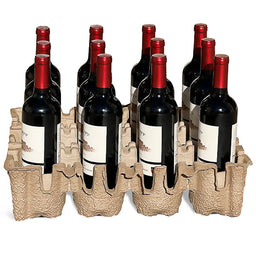
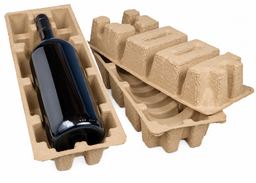
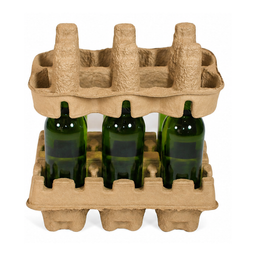
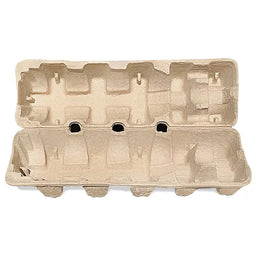
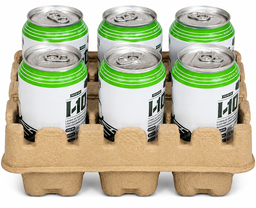
Molded pulp shippers are one of the most popular options in the industry, and for good reason. These wine shipping boxes are made from recycled paper and are designed specifically to protect wine bottles during transit. The molded pulp creates compartments that hold bottles securely in place, preventing them from moving around during shipping.
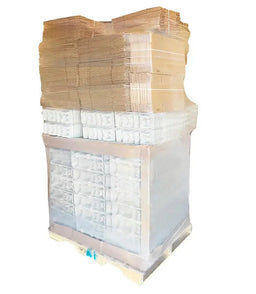
What makes molded pulp wine shippers so appealing is their combination of protection and sustainability. They're eco-friendly, which appeals to environmentally conscious customers, and they provide excellent cushioning for your bottles. They're also relatively affordable, especially when you're ordering in bulk. The downside? They can be bulkier than some alternatives, and they're not ideal if you're shipping in extremely humid conditions, as moisture can compromise the structural integrity.
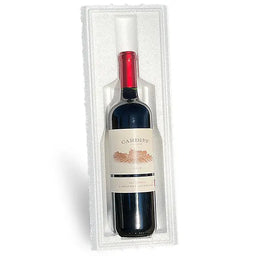
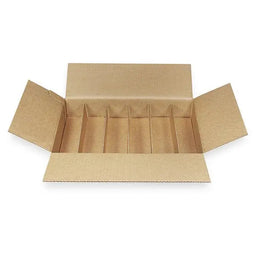
Foam kits offer a different approach to wine bottle protection. These typically consist of foam inserts that fit into a standard box, creating custom compartments for your bottles. Foam kits are incredibly versatile – you can use them for single bottles, multiple bottles, or mixed assortments of different bottle sizes.
The main advantage of foam kits is their flexibility and reusability. Customers can reuse the foam inserts for storage or other purposes, which adds a nice touch to the unboxing experience. Foam also provides excellent shock absorption, making it ideal for long-distance shipping. However, foam isn't as eco-friendly as some alternatives, and it can be more expensive per shipment than molded pulp options.
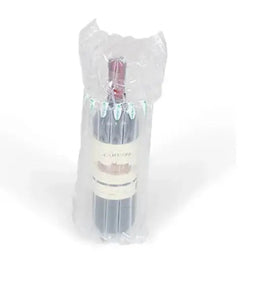
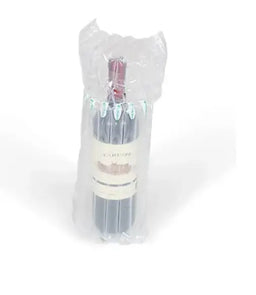
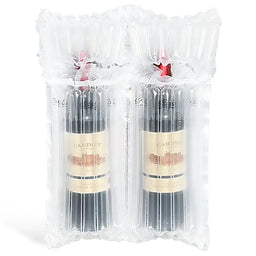
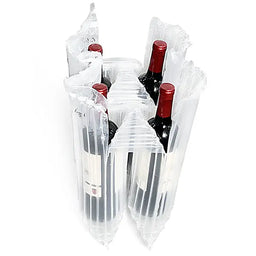
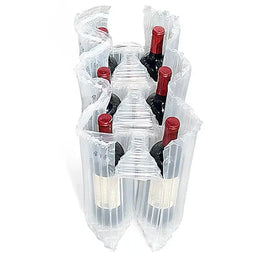
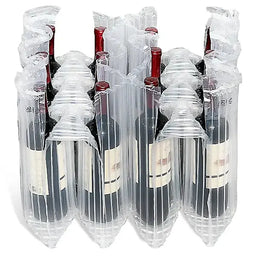
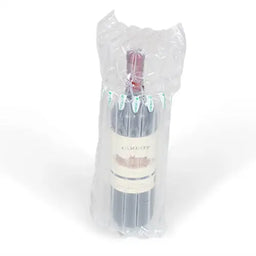
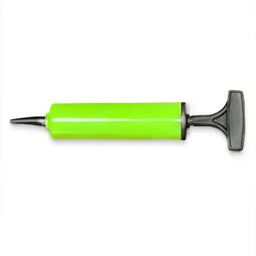
Air cushion shippers use inflatable air pillows to protect bottles during transit. These are lightweight, which can help reduce shipping costs, and they take up minimal space in your warehouse. Air cushion shippers are particularly good for single-bottle shipments or when you're trying to keep shipping costs down.
The trade-off with air cushion shippers is that they may not provide quite as much protection as molded pulp or foam options, especially for rough handling. They're also dependent on the air pillows remaining intact – a puncture can compromise the entire protective system.
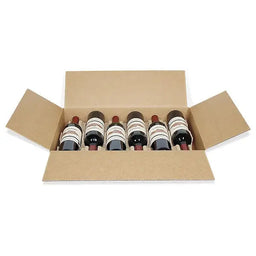
Here's something that catches a lot of people off guard: not all wine shipping boxes are compliant with carrier requirements. Different shipping carriers have specific regulations about how wine must be packaged, and using non-compliant packaging can result in your shipments being refused or delayed.
Most reputable wine shippers are designed to meet the requirements of major carriers like UPS, FedEx, and USPS. When you're evaluating wine shipping boxes, make sure to check that they're carrier-compliant. This typically means they need to provide adequate cushioning, be made from sturdy materials, and meet specific dimension and weight requirements.
Let's be real – cost matters. You need to balance protection with your bottom line. The cheapest option isn't always the best choice if it results in damaged bottles and customer complaints, but you also don't want to overspend on packaging.
When calculating the true cost of wine shipping boxes, consider not just the per-unit price but also factors like:
It's worth doing some math to figure out your actual cost per shipment, including the packaging, shipping, and any potential losses from damaged bottles.
Your wine shipping boxes are part of your brand experience. When a customer receives their order, the packaging is often the first physical touchpoint they have with your company. Many wine shippers offer customization options, from printed logos to branded tissue paper and inserts.
Customized wine shipping boxes can elevate your brand and create a memorable unboxing experience. This is particularly important if you're a premium winery or wine club – customers expect packaging that reflects the quality of what's inside. However, customization does add cost, so you'll need to decide if it's worth the investment for your business model.
More and more customers care about sustainability, and this extends to packaging. If environmental responsibility is important to your brand, you'll want to prioritize eco-friendly wine shipping boxes.
Molded pulp shippers are generally the most sustainable option, as they're made from recycled materials and are fully recyclable or compostable. Some companies are also developing innovative alternatives using mushroom-based materials or other sustainable sources. If sustainability is a key part of your brand identity, choosing eco-friendly packaging can be a great marketing advantage.
Before you commit to a large order of wine shipping boxes, it's smart to test them out. Order a small quantity and ship some bottles to yourself or trusted friends. See how well they protect the bottles, how they look when they arrive, and whether customers have any feedback about the packaging.
Pay attention to details like whether the bottles stayed secure, if there was any movement inside the box, and how the overall presentation looked. This real-world testing can reveal issues that you might not catch just by looking at product descriptions.
Choosing the right wine shipping boxes for your winery comes down to balancing several factors: protection, cost, compliance, sustainability, and brand presentation. There's no one-size-fits-all answer – the best choice depends on your specific business needs.
Start by assessing your shipping volume and typical order sizes. Then evaluate the different types of wine shippers available, keeping carrier compliance in mind. Consider your budget and whether customization or sustainability features are important to your brand. Finally, test out your top choices before making a large commitment.
Remember, investing in quality wine shipping boxes isn't just about protecting your product – it's about protecting your reputation. Damaged bottles lead to unhappy customers, negative reviews, and lost business. The right packaging is an investment in your customer satisfaction and long-term success.
Take your time with this decision, do your research, and don't hesitate to reach out to suppliers with questions. They're usually happy to help you find the perfect solution for your winery's needs. Your customers – and your bottom line – will thank you.